
Plants
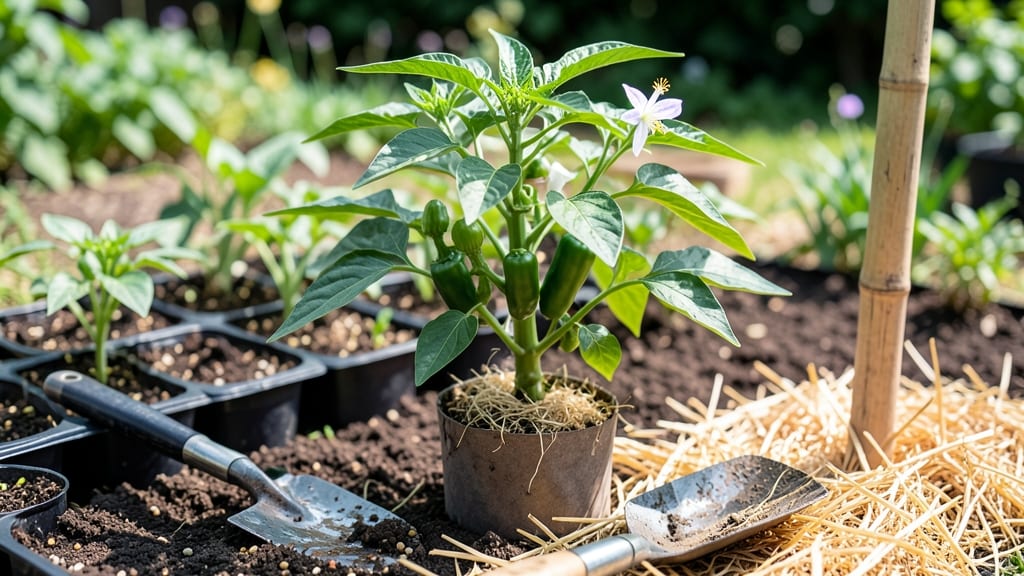
Knowing when to plant jalapeños in Michigan can make the difference between a bumper crop of spicy peppers and a sad, frost-bitten disappointment. Michigan’s unpredictable spring weather means waiting too long risks missing the growing season entirely, while planting too early could leave your 🌶️ seedlings vulnerable to late frosts.
Most Michigan gardeners in zones 5b-6b should aim to plant jalapeños after the last frost date—typically between mid-May and early June. But here’s the catch: soil temperature matters just as much as calendar dates.
Seeds need warm soil (at least 65°F) to germinate properly, so don’t rush out too soon, even if the air feels spring-like.
If you’re starting seeds indoors, give yourself a head start—8-10 weeks before your expected last frost date. For those who prefer transplants, wait until the soil is consistently warm and all danger of frost has passed. Either way, timing is everything for a successful harvest from July through October.
Ready to grow your own spicy peppers? I’ll walk you through the best varieties for Michigan’s climate, how to extend your growing season, and common mistakes to avoid—so you can enjoy homegrown jalapeños all summer long.
Michigan jalapeño planting dates by USDA hardiness Zone (2024 guide)
Michigan’s cool climate and short growing season demand precise timing for jalapeños. Plant too early, and frost will kill seedlings; too late, and you’ll miss peak harvests.
The last frost date varies across Michigan’s USDA Zones 4a-6b, so I’ve broken it down by region to help you avoid common mistakes.
Jalapeños thrive in warm soil (at least 65°F) and need 90+ frost-free days to mature. In Michigan, that means starting seeds indoors or transplanting seedlings after mid-May in most areas. Northern Michigan (Zones 4a-5a) has a shorter window, while southern Michigan (Zones 5b-6b) can push harvests later.
Pro Tip: Use a soil thermometer to confirm soil warmth before planting. Jalapeños won’t germinate well in cold soil, even if air temperatures rise.
🌱 Michigan Jalapeño Planting Timeline by Zone
| Zone | Last Frost Date | Start Seeds Indoors | Transplant Seedlings | Direct Sow Seeds | Harvest Window |
|---|---|---|---|---|---|
| 4a (Northern MI) | May 15–20 | March 15–20 | May 25–June 5 | June 10–15 | August–September |
| 5a (Upper Peninsula) | May 1–10 | March 1–10 | May 20–June 1 | May 30–June 10 | July–September |
| 5b (Central MI) | April 25–May 10 | February 25–March 15 | May 15–25 | May 20–June 5 | July–October |
| 6a (Southern MI) | April 15–25 | February 15–25 | May 1–15 | April 30–May 15 | July–October |
| 6b (Southwest MI) | April 10–20 | February 1–15 | April 25–May 10 | April 20–May 5 | July–November |
🌡️ Soil Temp Threshold: Wait until soil reaches 65°F for direct sowing or transplanting.
For northern Michigan (Zones 4a-5a), focus on early-maturing varieties like ‘Early Jalapeño’ or ‘NuMex Sandia’ to maximize your harvest window. In southern Michigan (Zones 5b-6b), you can experiment with succession planting for a longer harvest.
If you’re starting seeds indoors, begin 8-10 weeks before your expected last frost date. Use grow lights to supplement natural light, as Michigan’s spring days are still short. Harden off seedlings for 1-2 weeks before transplanting to avoid shock.
For direct sowing, wait until soil temperatures consistently stay above 65°F—usually late May to early June in most of Michigan. Use black plastic mulch to warm the soil faster and extend the season.
In Zone 6b (southwest Michigan), you can push the envelope by planting a second crop in July for a fall harvest. Choose fast-maturing varieties (60-70 days) and use row covers to protect against early frosts.
Always check your local Michigan State University Extension frost date maps for the most accurate timing. Weather patterns vary yearly, and a late frost can still sneak in—especially in northern Michigan.
Remember: Jalapeños are heat-lovers. They need 6-8 hours of sun daily and warm nights to thrive. If your summer cools down early, consider
Best jalapeño varieties for Michigan’s short growing season (and how to extend it)
Michigan’s cool summers and short growing season (average 140 frost-free days) demand jalapeño varieties that mature quickly and tolerate cooler temperatures. The right cold-tolerant varieties can mean the difference between a bountiful harvest and wasted effort.
Here are my top 5 picks for Michigan gardeners, plus pro tips to extend your growing window.
First, let’s talk variety selection. Look for jalapeños labeled as early-maturing (60-75 days to harvest) or compact varieties that thrive in containers or raised beds. These traits help you beat Michigan’s first frost, which typically arrives between mid-October and early November. My top recommendations include:
🌱 Top 5 Jalapeño Varieties for Michigan
- Early Jalapeño – 60-day harvest, compact (2-3 ft), thrives in USDA Zone 5b. Perfect for northern Michigan.
- NuMex Sandia – 65-day harvest, heat-tolerant, and disease-resistant. Ideal for southern Michigan’s hotter summers.
- Carolina Reaper Jalapeño (CRJ) – 70-day harvest, hybrid with extra heat and cold tolerance. Great for extending seasons.
- Jalapeño M – 75-day harvest, dwarf variety (18-24 inches), perfect for containers or raised beds.
- Big Jim – 70-day harvest, large peppers (up to 6 inches), but needs warmth to thrive. Best for southern Michigan.
Pro Tip: Start with 2-3 varieties to test what grows best in your microclimate.
Now, let’s tackle extending your growing season. Michigan’s climate is unpredictable, and even the fastest varieties may need a little help to reach maturity. Here are my go-to techniques:
First, consider row covers or low tunnels. These simple tools can add 2-4 weeks to your growing season by trapping heat and protecting plants from late spring frosts or early fall chills. I’ve had great success with floating row covers over jalapeño seedlings in May and September to push harvests later. Just
For northern Michigan gardeners, container growing is a game-changer. Use 5-gallon buckets or fabric grow bags filled with well-draining potting mix and place them on a sunny patio or deck. Containers warm up faster than garden soil, giving you a 2-3 week head start in spring. Plus, you can move pots to sheltered spots if frost threatens. My favorite compact variety for containers is Jalapeño M, which thrives in 18-inch pots.
Another trick? Succession planting. Instead of planting all your jalapeños at once, stagger seedlings every 2-3 weeks from mid-May to early July. This ensures a continuous harvest and maximizes your 140 frost-free days.
For example, plant your first batch in late May (after last frost) and follow up with two more batches in June. This way, you’ll have peppers ripening through August and September.
Finally, don’t overlook soil warmth. Jalapeños need soil temperatures of at least 65°F to germinate. If your garden soil is still cool in May, try planting in black plastic mulch or warm-season microclimates like near a south-facing fence or building.
A soil thermometer (just $10 at garden centers) is worth its weight in gold for tracking these critical temps.
With the right varieties and a few season-extending tricks, you can enjoy homegrown jalapeños well into Michigan’s fall. Just remember: patience and planning are key—especially when you’re racing against the clock to beat frost! 🌶️