
Plants
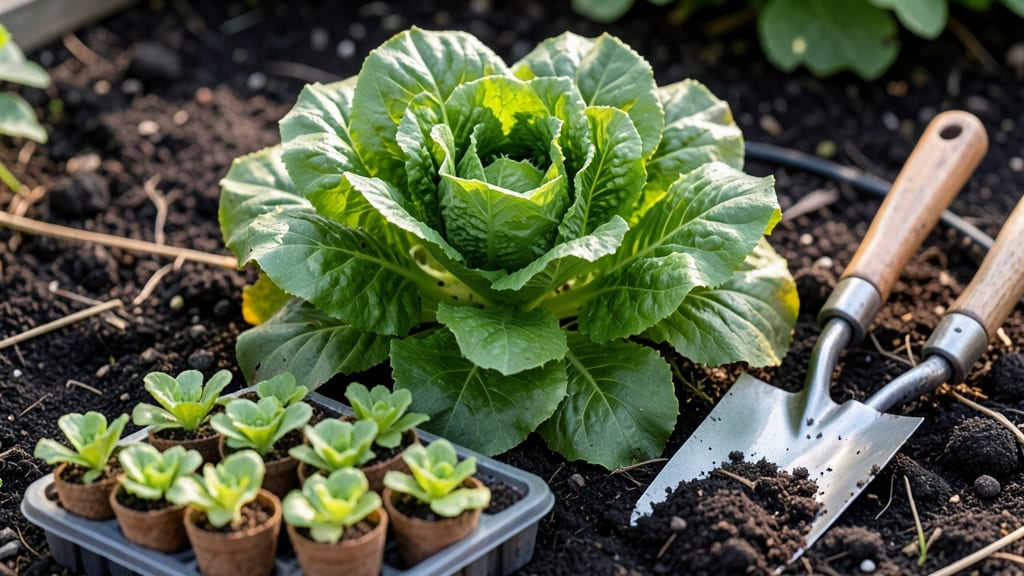
Best planting times for lettuce in Zone 6b: exact dates and seasonal breakdown
Timing is everything when growing lettuce in Zone 6b. The key is to plant when soil temperatures stay between 40°F and 75°F—too cold, and frost will kill seedlings; too hot, and your lettuce bolts (goes to seed) faster than you can say "crisp salad."
I’ve planted lettuce for years in this zone, and I’ve learned that spring and fall are your best bets, with a few tricks to squeeze in summer harvests if you choose the right varieties.
In Zone 6b, your average last frost date is April 15, and the first frost arrives around October 15. This gives you a 165-day frost-free window, but lettuce grows quickly—most varieties mature in 30-60 days.
That means you can fit in two full harvests (spring and fall) plus a potential third if you’re strategic with summer varieties. Let’s break down the exact windows and what to watch for.
| Season | Planting Window | Soil Temp | Key Tips |
|---|---|---|---|
| Early Spring | March 1 - April 15 | 40°F - 50°F | Use cold-hardy varieties like 'Winter Density' or 'Arctic King'. Cover seedlings with frost cloth if nights dip below 28°F. |
| Late Summer | August 1 - August 15 | 65°F - 75°F | Plant heat-tolerant varieties like 'Jericho' or 'Black Seeded Simpson'. Use shade cloth (30-50%) to prevent bolting. |
| Fall | September 1 - October 1 | 50°F - 65°F | Sow seeds 8-10 weeks before first frost. Use row covers to extend harvest into early November. |
| Succession Planting | Every 2-3 weeks | 40°F - 75°F | Plant new seeds every 2-3 weeks in spring/fall to ensure a continuous harvest. Ideal for 'Buttercrunch' or 'Romaine'. |
For spring lettuce, I start seeds indoors 4-6 weeks before the last frost (around February 25 in Zone 6b) or sow directly in the garden as soon as soil is workable (usually late March).
The goal is to have mature lettuce by late May, before summer heat sets in. I’ve found that direct sowing works best for spring—it’s less stressful on seedlings and gives you stronger plants.
If you’re dreaming of summer lettuce, focus on late July to early August plantings with heat-tolerant varieties. The trick is to get seeds in the ground when daytime temps are below 80°F and use shade cloth or dappled shade to keep leaves cool.
I’ve had success with ‘Jericho’ lettuce under a 30% shade cloth—it stays crisp and doesn’t bolt like traditional varieties.
Fall is my favorite time to grow lettuce in Zone 6b because the cool nights and mild days create perfect conditions. I aim to plant 8-10 weeks before the first frost (around September 1), which gives me harvests through October and early November.
For a late fall crop, I’ll even sow seeds in early October under a protective row cover—this can extend your harvest into December if you’re lucky!
One of my biggest mistakes early on was planting lettuce too close to summer’s peak. When temps hit 85°F or higher, even heat-tolerant varieties struggle. To avoid this, I now monitor daily highs and adjust my planting schedule accordingly.
If you’re in a hotter microclimate within Zone 6b, consider container growing with afternoon shade—it can make all the difference.
Don’t forget about succession planting! In both spring and fall, I plant new lettuce seeds every 2-3 weeks to ensure a steady supply. This works especially well with cut-and-come-again varieties like ‘Salad Bowl’ or ‘Black Seeded Simpson’.
By staggering plantings, I can enjoy fresh lettuce for 8-10 weeks straight without gaps.
Pro tip: If you’re using row covers or cold frames, you can push your planting windows even further. I’ve had great results extending spring harvests into early June and fall harvests into mid-November with these protective measures. Just
Finally, keep an eye on your soil temperature. Lettuce seeds won’t germinate well in soil colder than 40°F or hotter than 80°F. I use a soil thermometer to check conditions before planting—it’s a small investment that saves a lot of guess
Best planting times for lettuce in Zone 6b: exact dates and seasonal breakdown
Zone 6b gardeners face a 165-day frost-free window, making timing everything for lettuce. The last average frost date is April 15, while the first frost arrives around October 15. Planting too early risks frost damage, while late planting often leads to bolting (premature flowering) from summer heat.
I’ve found the sweet spot lies in two key windows: early spring and late summer.
For spring lettuce, start seeds indoors 4-6 weeks before your last frost (around March 1-15). Transplant seedlings outdoors 2-3 weeks before April 15 when soil temps reach 40°F (4°C). This gives you crisp harvests by late May.
For fall lettuce, sow seeds outdoors 8-10 weeks before October 15 (around August 1-15) when soil temps drop below 80°F (27°C).
| Season | Planting Window | Soil Temp | Harvest Time |
|---|---|---|---|
| Spring | Indoors: March 1-15 Outdoors: March 25-April 10 |
40-60°F (4-15°C) | Late May-June |
| Fall | Outdoors: August 1-15 Successive sowings: Sept 1-15 |
Below 80°F (27°C) | October-November |
Extend your harvest with succession planting. Sow new seeds every 2-3 weeks from March through May, then again from August through September. This ensures a continuous supply of fresh lettuce.
I’ve had great success with weekly sowings in May, which mature just as summer heat peaks—perfect for shade-loving varieties.
Watch for soil temperature warnings: Lettuce roots struggle in soil above 85°F (29°C). Use a soil thermometer to monitor temps—if it’s too hot, delay planting or opt for shade-tolerant varieties. In my garden, I’ve seen Jericho lettuce thrive even when other varieties bolt in 75°F (24°C)+ conditions.
For overwintering lettuce, choose cold-hardy varieties like Winter Density or Arctic King. Sow these 6-8 weeks before your first frost (around September 1-15) for harvests through winter. Protect plants with row covers or cold frames during freezing nights to prevent frost damage.
Remember: Lettuce grows best in cool weather. Aim for daytime temps below 75°F (24°C) and nighttime temps above 40°F (4°C). With these timing tips, you’ll enjoy crisp, homegrown lettuce from spring through fall—no bitter surprises! 🥬