
Plants
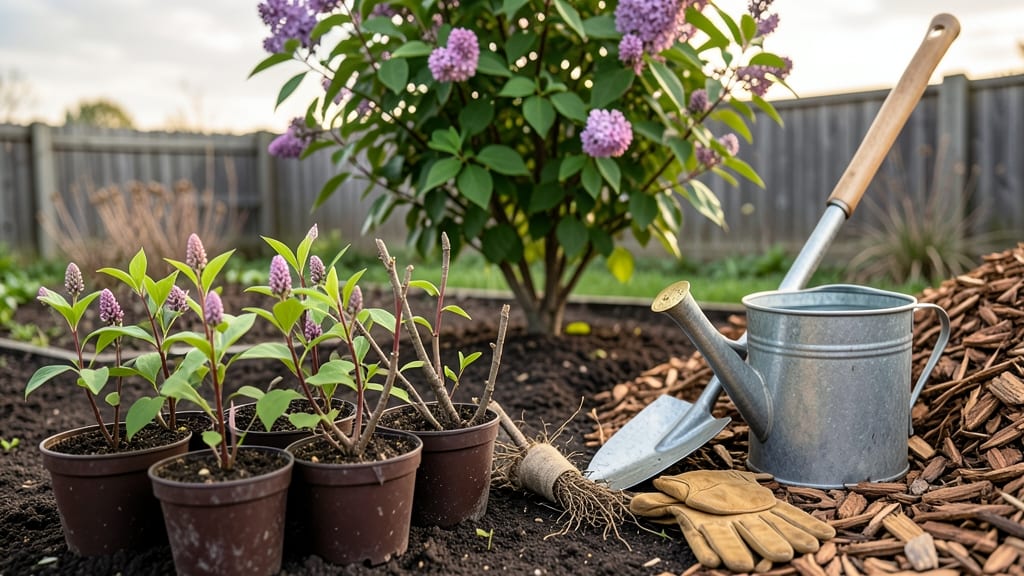
Utah’s frost-free dates & best planting windows for lilacs
Utah’s diverse climate—from the high desert of St. George to the alpine valleys of Ogden—means lilacs thrive in different windows. The key? Planting after the last frost date and before summer’s scorching heat.
In most of Utah, this means early spring (March-April) or early fall (September-October) for maximum root establishment.
Your USDA zone (5-7) dictates exact timing. Northern Utah (e.g., Salt Lake City) has a last frost around April 15, while southern Utah (e.g., St. George) can plant as early as February 20. Always check local frost-free date tools like the Utah Climate Center for precision.
Why timing matters: Lilacs planted too early risk frost damage, while late plantings struggle to establish roots before winter. Bare-root lilacs (most common) need workable soil—not soggy or frozen. Pro tip: Amend soil with compost to improve drainage in Utah’s alkaline soils.
| Utah Region | USDA Zone | Last Frost Date | Best Planting Window | Notes |
|---|---|---|---|---|
| Northern Utah (Salt Lake City, Ogden) | 5-6 | Mid-April | Spring: March 15–April 15 Fall: Sept 15–Oct 15 |
Cold-hardy varieties recommended; mulch heavily in winter. |
| Central Utah (Provo, Park City) | 6 | Early April | Spring: March 1–April 10 Fall: Sept 1–Oct 10 |
Elevated areas may have late frosts—wait for consistency. |
| Southern Utah (St. George, Cedar City) | 7-8 | Late February | Spring: Feb 20–March 30 Fall: Sept 10–Oct 5 |
Drought-tolerant varieties preferred; water deeply post-planting. |
| High Elevations (Wasatch Mountains) | 4-5 | Late May | Spring: May 1–June 1 Fall: Sept 1–Sept 15 |
Short growing season; choose early-blooming varieties. |
Spring planting gives lilacs 6-8 weeks to establish roots before summer heat. Aim for March-April in northern Utah, but avoid planting when buds are swelling—this signals imminent frost risk. For fall planting, choose September-October to allow roots to grow before winter dormancy.
Utah’s alkaline soil (pH 7.5–8.5) can stress lilacs. Test soil pH and amend with sulfur or peat moss if needed. A 6.0–7.0 pH is ideal. Pair planting with compost or well-rotted manure to improve nutrient retention in our dry climate.
Microclimates matter! Urban heat islands (e.g., Salt Lake City) may have earlier last frosts than rural areas. Observe your yard’s frost patterns for 3 years to refine timing. Windbreaks (like evergreen hedges) protect young lilacs from Utah’s chilly nights.
After planting, water deeply (1–2 inches) to settle soil. Mulch with 2–3 inches of wood chips to retain moisture and regulate soil temperature. In high-desert areas, mulch also shields roots from intense sun exposure.
Monitor lilacs for early signs of stress: Wilting leaves or brown buds signal overwatering or poor drainage. Utah’s low humidity can dry soil quickly—check moisture 2 inches deep before watering. Adjust care based on your specific microclimate.
For container-grown lilacs, plant in large pots (20+ gallons) with fast-draining mix. Containers dry out quicker in Utah’s sun—water 2–3x weekly in summer. Move pots to shaded areas during 100°F+ days to prevent heat stress.
Utah’s frost-free dates & best planting windows for lilacs
Utah’s USDA Zones 5-7 mean lilacs thrive here—but timing is everything. The last spring frost typically hits mid-April in most regions, while the first fall frost arrives around mid-October.
These dates create two ideal planting windows: early spring (March-April) and early fall (September-October), when soil is workable and roots can establish before extreme temperatures.
However, Utah’s microclimates complicate things. Salt Lake City’s valley floors warm faster than Ogden’s foothills, while St. George’s desert climate has later frosts. Always check your local USU Extension frost calendar or plant after your area’s last frost date to avoid shocking tender roots.
For high-elevation areas (like Park City), extend your planting window into late April or early May.
| Region | USDA Zone | Last Frost (Avg.) | First Frost (Avg.) | Best Planting Months |
|---|---|---|---|---|
| Salt Lake City | Zone 6 | April 15 | October 10 | March-April, Sept-Oct |
| Ogden | Zone 6 | April 20 | October 5 | April-May, Sept |
| St. George | Zone 7-8 | March 1 | November 15 | February-March, Oct-Nov |
For spring planting, aim to get lilacs in the ground 4-6 weeks before your last frost. This gives roots time to establish before summer heat arrives. In Utah’s alkaline soil, amend planting holes with compost and peat moss to improve drainage and acidity.
Water deeply after planting to settle soil around roots—this is critical in our dry climate.
Fall planting offers a second chance, especially for bare-root lilacs. Plant in September or early October, allowing roots to grow before winter dormancy. Avoid planting too late—new growth before frost can damage tender shoots.
In colder zones (like Cache Valley), opt for hardy varieties like 'Miss Canada' or 'Katherine Havemeyer' to ensure survival.
Pro tip: Use mulch heavily (4-6 inches) after planting to retain moisture and regulate soil temperature. In Utah’s dry winds, mulch also protects young plants from desiccation. Monitor soil moisture—lilacs need consistent watering for the first two growing seasons to establish strong root systems.
Remember, Utah’s elevation variations mean frost dates shift dramatically. Check your exact location using the Utah Climate Center’s frost map or ask your local county extension office for precise advice. With the right timing, your lilacs will reward you with fragrant blooms for decades—a true Utah garden staple. 🌸