
Plants
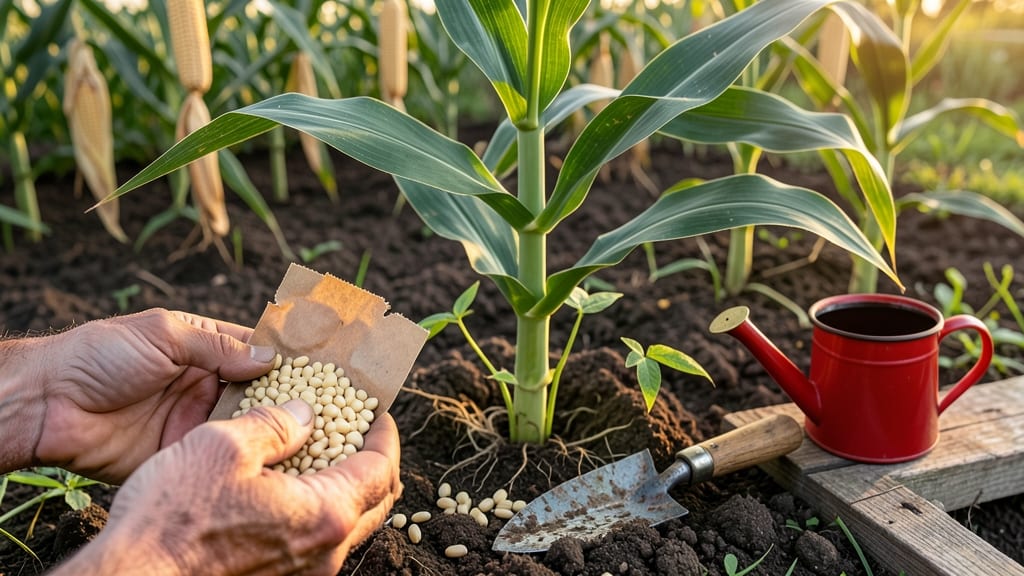
Timing your mielies 🌽 planting season in South Africa can mean the difference between a bountiful harvest and wasted effort—especially when frost threatens your hard work. Whether you're in the frost-prone Highveld or the warmer Northern regions, getting the timing right is the key to success.
Plant too early, and you risk losing your crop to unexpected cold snaps; too late, and you might miss the ideal growing window before summer heat sets in.
Most gardeners in USDA Zones 9b-11a know that late summer to early spring is the sweet spot for planting, but the exact timing varies dramatically across regions.
In the Highveld, where frost can linger until September, you’ll want to wait until after the last frost date—typically around March or April. Meanwhile, in warmer Northern regions like Limpopo or Mpumalanga, you can start as early as February, taking advantage of longer frost-free periods.
What makes this even trickier is aligning your planting with rainfall patterns. Mielies need consistent moisture, especially during pollination, but too much water can lead to root rot.
I’ll show you how to discover the perfect balance between soil warmth, frost risks, and rainfall timing for your specific area—so you can plant with confidence and avoid common pitfalls.
Ready to maximize your yield? Let’s break down the exact planting windows, soil prep tips, and frost-proof strategies tailored to your region. By the end, you’ll know exactly when to put those seeds in the ground for a harvest that’ll make your neighbors jealous.
Optimal mielie planting dates by south african region
Getting your mielie (maize) planting timing right in South Africa depends heavily on your region’s frost risks and soil temperature thresholds. In frost-prone areas like the Highveld (Gauteng, Free State), you’ll want to wait until after the last frost date, typically around mid-September.
Meanwhile, in warmer regions like KwaZulu-Natal or Mpumalanga, you can start as early as late August—but always aim for soil temps above 15°C (59°F) for germination.
Mielies thrive in warm, frost-free conditions, so timing your planting to align with rainfall patterns is crucial. In summer-rainfall areas (e.g., Limpopo, Northern Cape), plant just before the first rains in October.
For winter-rainfall regions (e.g., Western Cape), focus on spring planting (September–October) when moisture returns. Misjudging these windows can lead to stunted growth or even complete crop failure.
Here’s a quick guide to the ideal planting windows by region, including soil temperature and last frost benchmarks to avoid frost damage:
| Region | Last Frost Date | Ideal Planting Window | Soil Temp Threshold | Notes |
|---|---|---|---|---|
| Gauteng (Highveld) | Mid-September | Late September–October | 15°C+ (59°F+) | Frost risk until late September; use black plastic mulch to warm soil. |
| KwaZulu-Natal | Late July | August–September | 18°C+ (64°F+) | Warmer climate; can plant earlier but avoid waterlogging. |
| Western Cape (Summer Rainfall) | June | October–November (after first rains) | 16°C+ (61°F+) | Dependent on seasonal rains; irrigate if dry. |
| Mpumalanga | Early September | Late August–September | 17°C+ (63°F+) | High altitude; choose early-maturing varieties. |
| Free State | Mid-September | Late September–October | 15°C+ (59°F+) | Frost-sensitive; plant after soil warms. |
For coastal regions (e.g., Durban, Port Elizabeth), you can push planting even earlier—late July to August—thanks to warmer ocean-influenced climates. However, avoid planting in winter months (June–August) in most areas, as cold soil and frost will stunt germination.
If you’re unsure about your local frost dates, check your agricultural extension office or use a frost-free date calculator for precise timing.
Another key factor is soil preparation. Mielies prefer well-drained, fertile soil with a pH of 5.8–7.0. Before planting, work in compost or aged manure to boost nutrients, and ensure your soil isn’t waterlogged—maize roots rot easily in soggy conditions.
Test your soil’s drainage by digging a hole: if water pools after 6 hours, amend with sand or perlite.
Pro tip: If you’re in a high-altitude area (e.g., Drakensberg, Lesotho), opt for early-maturing varieties like ‘Early Golden’ or
How to adjust planting for early/late season risks
South Africa’s diverse climates mean frost risks vary wildly—from the Highveld’s sudden winter freezes to the coastal regions’ lingering chills. If you’re planting mielies in areas like Gauteng or the Free State, a late frost can wipe out seedlings in days.
My trick? Staggered planting with cold-tolerant varieties like 'PAN 6777' or 'PAN 5167'. These handle 5°C soil temps better than standard sweetcorn. 🌱
For high-altitude gardens (1,000m+), wait until soil temps hit 15°C—use a soil thermometer to confirm. If frost warnings loom, cover young plants with frost cloth or black plastic sheets.
I’ve saved entire crops this way during June’s unexpected cold snaps. Just remove covers by 10 AM to avoid overheating. ☀️
In coastal areas (e.g., KwaZulu-Natal), late autumn rains can delay planting. If your March-April window slips, opt for early-maturing varieties like 'Baby White' (harvests in 60 days).
These beat frost by finishing before May’s first cold fronts. Pro tip: Plant near warm microclimates, like south-facing slopes or near buildings that absorb heat. 🪴
If frost hits young seedlings (2–4 leaves), they’ll crisp up overnight. For emergency protection:
- Water soil deeply before dusk (releases heat).
- Pile mulch (straw or leaves) around bases.
- Use windbreaks (burlap or cardboard) to trap heat.
For late-season planting (May-June), choose short-season hybrids and extend the growing season with row covers. I’ve had success with 'PAN 6167' in Mpumalanga, harvesting by August before winter sets in. Just monitor moisture levels—dry soil accelerates frost damage. 💧
If your first frost date is earlier than average (check your USDA Zone), shift planting to containers. Move pots to a sunny patio or greenhouse during nights. This buys 2–3 extra weeks of growth. Just ensure pots have drainage holes to prevent root rot. ✂️
Always check local agricultural reports (e.g., SA Weather Service) for 10-day forecasts. In 2022, a sudden cold snap in Pretoria ruined crops planted in late April. By tracking these alerts, you’ll avoid costly mistakes. Stay flexible—sometimes, delaying a week saves your entire harvest. ⏰