
Plants
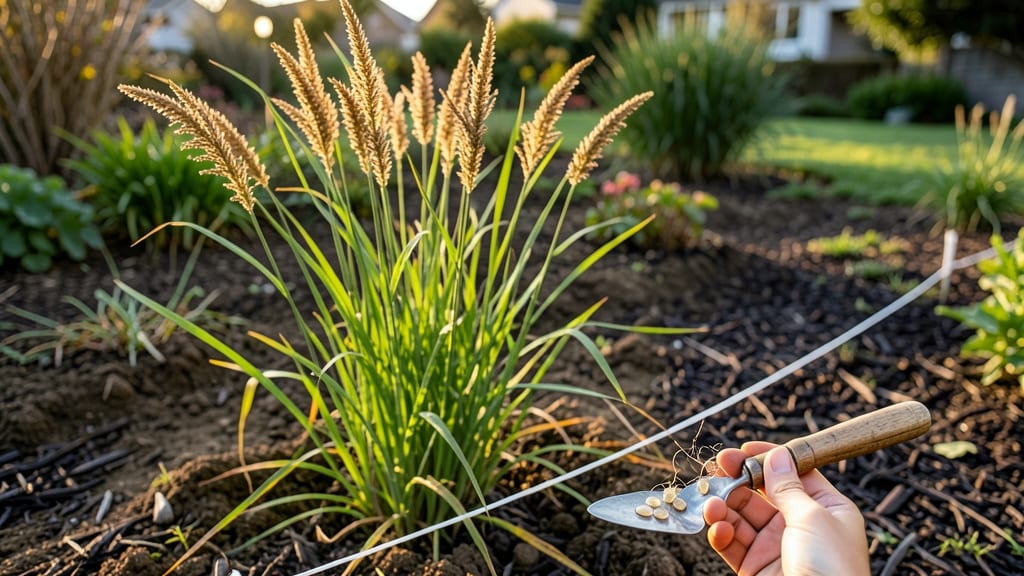
Oklahoma millet planting dates by USDA hardiness zones (7a-8b)
Oklahoma’s diverse climate—spanning USDA Zones 6b to 8b—means your millet planting window can shift dramatically depending on where you live.
In Zone 7a (central OK), for example, you’ll want to plant pearl millet by mid-April to avoid late frosts, while Zone 8b (southwest OK) gardeners can start as early as late February for summer varieties. The key is aligning with your last frost date and soil warmth.
Most Oklahoma gardeners focus on two planting windows: late spring (April–May) for grain production and early summer (July–August) for forage or ornamental millet. Foxtail millet, a popular choice for bird feeders, thrives when planted in May–June, while sorghum-millet blends often need the extra heat of June–July to mature properly.
Here’s the critical rule: Wait until soil temperatures hit 60°F+ and at least 2 weeks after frost. In Zone 6b (north OK), this could mean waiting until early May, while Zone 8a (south OK) may be ready by mid-April.
Use a soil thermometer to confirm—cold soil stunts root growth.
Oklahoma’s unpredictable summer rains also play a role. Pearl millet, drought-tolerant once established, can handle June showers, but foxtail millet may need consistent moisture during its first 4–6 weeks. If your area gets heavy July rains, consider a summer planting in August instead.
For ornamental millet (like Japanese millet), aim for late May–June to ensure vibrant fall colors. These varieties mature faster (60–75 days) and can handle Zone 7a’s shorter growing season better than grain types.
Pro tip: Check your local Cooperative Extension Service frost dates—Oklahoma State University’s Mesonet provides hyper-local soil temp data. For example, Oklahoma City (Zone 7b) averages April 15 for last frost, while Tulsa (Zone 7a) often waits until April 25.
If you’re growing millet for birdseed or forage, push planting to early July—this gives plants 90–100 days to mature before first frost in November. For grain harvests, stick to April–May planting to avoid shattering (grains falling before maturity).
| USDA Zone | Last Frost Date | Ideal Planting Window | Best Varieties | Notes | |||||||||||||||||||
|---|---|---|---|---|---|---|---|---|---|---|---|---|---|---|---|---|---|---|---|---|---|---|---|
| 6b (Northern OK) | April 15 | May 1–15 | Pearl Millet, Foxtail Millet | Wait for soil >60°F; risk of late frost | |||||||||||||||||||
| 7a (Central OK) | March 25 | April 15–May 10 | Japanese Millet, Sorghum-Millet | Best for ornamental use; drought-resistant | |||||||||||||||||||
| 7b (Oklahoma City) | April 1 | April 15–May 1 | Pearl Millet (grain), Foxtail Millet (birdseed) | High yield; needs consistent moisture | |||||||||||||||||||
| 8a (South OK) | February 15 | March 1–April 15 | All varieties (earlier maturity) | Longer growing season; can double-crop | |||||||||||||||||||
| 8b (Southwest OK) | January 30 | February 15–March 30 |
How to adjust millet planting for Oklahoma’s microclimates & variety heat toleranceOklahoma’s diverse microclimates—from the panhandle’s arid heat to the eastern humid zones—mean your millet’s success hinges on fine-tuning planting dates. Unlike one-size-fits-all advice, Oklahoma gardeners must account for soil temperature, variety heat tolerance, and even unpredictable summer rains that can drown young shoots. For example, pearl millet thrives in 90°F+ temperatures, while foxtail millet matures faster in cooler 80°F ranges. Start by checking your soil temperature—millet seeds won’t sprout until the ground reaches 50°F+. In Zone 7a, this typically aligns with mid-April to early May, but in Zone 8a, you can plant as early as late March. Use a soil thermometer to confirm; cold soils delay germination by weeks, leaving plants vulnerable to late-spring frosts. For high-yield varieties like ‘Tift 23D’ pearl millet, aim for late April to early June planting. These heat-lovers need consistent warmth to reach maturity before Oklahoma’s first frost (usually mid-November). In contrast, early-maturing foxtail millet, such as ‘Golden Foxtail’, can handle July plantings and still produce by fall harvest. 🌾Pro Tip: If your area experiences flash droughts (common in western OK), opt for drought-tolerant blends like ‘Milo’ sorghum-millet mixes. These varieties bolt faster when stressed, ensuring grain development before moisture drops. Always water deeply at planting to establish roots before relying on Oklahoma’s sporadic summer rains.
Avoid planting millet after early freezes (even light frosts can kill young shoots). In Zone 6b, this means no summer plantings—your last chance is June 1. For Zone 8a, you can push to early July, but monitor humidity levels; millet rots in soggy soil, and Oklahoma’s summer thunderstorms can turn your garden into a swamp overnight. For ornamental millet (like ‘Red Head’ foxtail), extend your window by 2–3 weeks—these varieties prioritize plume development over grain yield and tolerate cooler fall temps. Plant them by late June for September–October blooms, adding winter interest to your landscape before frosts set in. 💧Key Adjustment: If your area has clay-heavy soil (common in southeastern OKcompost or sand to improve drainage. Millet hates waterlogged roots, and Oklahoma’s heavy spring rains can drown seedlings faster than you can say “bolting.” Always plant on raised beds or mounds for better airflow. |