
Vegetables
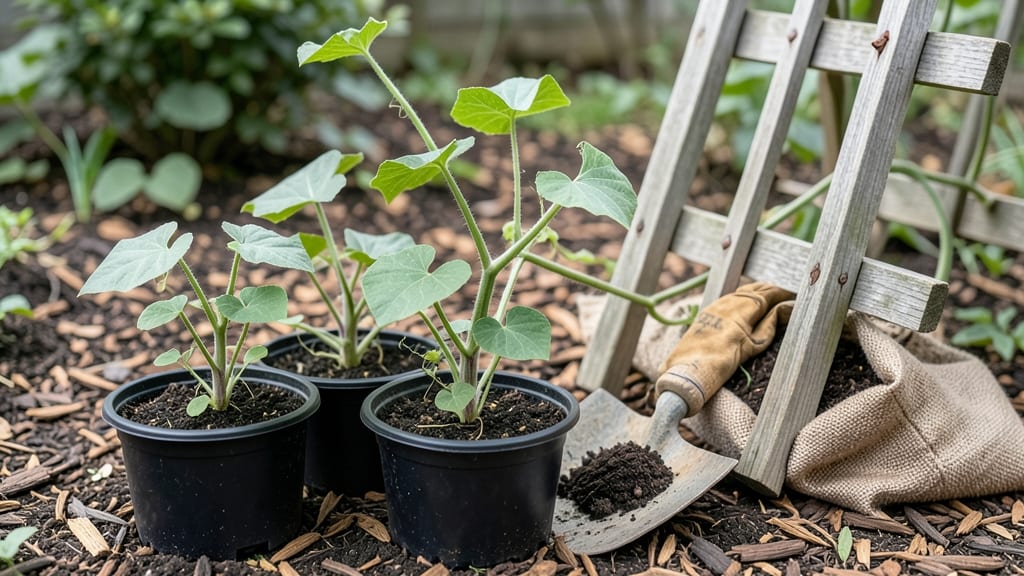
Timing your mirliton 🍈 planting in Louisiana isn’t just about following a calendar—it’s about outsmarting the state’s unpredictable shifts from mild winters to scorching summers. Plant too early, and your vines may wilt under late-season chills; too late, and you’ll miss the sweet spot for a thriving harvest.
The key lies in Louisiana’s unique 8a-9b climate zones, where last-frost dates can vary by weeks between New Orleans and Shreveport.
Most gardeners in Louisiana swear by two planting windows: March-April for spring and August-September for fall, but the real secret is soil temperature. Your mirlitons won’t thrive until the ground warms to at least 60°F—a rule that saves countless plants from stunted growth.
I’ve learned the hard way that rushing the process leads to disappointing yields, so let’s break down the exact dates and tricks to nail it.
What you’ll discover here are the heat-zone deadlines that separate successful harvests from wasted effort. From adjusting for clay-heavy soils to using mulch for extra warmth, these Louisiana-specific tips will help you align your planting with the region’s quirks.
Whether you’re a backyard gardener or managing a community plot, this guide cuts through the guesswork to give you the confidence to plant at the perfect moment.
Ready to transform your garden? Let’s dive into the two critical windows that’ll determine whether your mirlitons flourish or fizzle—plus how to stretch your growing season for a longer harvest. Your future June-August bounty starts with the right timing, and I’ve got the local insights to make it happen.
Louisiana’s best planting windows for mirlitons by heat Zone
Timing your mirliton (chayote) planting in Louisiana depends on your USDA Hardiness Zone and local microclimates. The state spans zones 7b through 9a, meaning frost dates vary dramatically—from late February in Shreveport (Zone 8a) to mid-December in New Orleans (Zone 9a).
These differences create two primary planting windows: spring and fall, each with unique advantages.
For spring planting, aim for March to early April after your area’s last frost date. In northern Louisiana (Zones 7b-8a), this might mean waiting until mid-April to avoid chilly soil.
Southern regions (Zones 8b-9a) can start as early as February, but soil temperatures must reach at least 65°F for successful germination. Fall planting, ideal for August to September, lets you extend harvests into winter.
Mirlitons thrive in warm soil, so using a soil thermometer is key. If your soil hasn’t warmed enough by the ideal window, opt for container growing—mirlitons adapt well to pots and can be moved outdoors once temperatures stabilize.
This flexibility is especially useful in Louisiana’s unpredictable transition seasons.
Here’s a breakdown of planting windows by Louisiana region, including soil temperature thresholds and frost-free periods:
| Region | USDA Zone | Last Frost Date | Spring Planting Window | Fall Planting Window | Soil Temp Threshold |
|---|---|---|---|---|---|
| North Louisiana (Shreveport, Monroe) | 7b-8a | Mid-February | Mid-April to May 1 | Late August to September 15 | 65°F+ |
| Central Louisiana (Alexandria, Lafayette) | 8a-8b | Late February | March 15 to April 15 | Early August to September 10 | 65°F+ |
| South Louisiana (Baton Rouge, New Orleans) | 8b-9a | Early March | February 15 to April 1 | Mid-July to September 1 | 60°F+ |
*Soil temperature thresholds are critical for germination. Use a soil thermometer to verify.
In New Orleans and coastal areas (Zone 9a), you can even experiment with year-round planting in microclimates like greenhouses or raised beds with row covers. However, mirlitons grow best with 6+ hours of sunlight daily, so prioritize south-facing locations or containers near sunny walls.
If you’re in a shadier microclimate, opt for dwarf varieties or supplement with grow lights.
For direct sowing (planting seeds outdoors), wait until soil temperatures exceed 65°F—this typically aligns with late April to May in most of Louisiana. If you’re transplanting seedlings (purchased or home-grown), you can start 2-3 weeks earlier since they’re more resilient.
Harden off seedlings gradually by exposing them to outdoor conditions for 1-2 hours daily before full transplantation.
Pro tip: In Zone 7b (northern Louisiana), use black plastic mulch to warm soil faster. Lay it down 1-2 weeks before planting to accelerate soil temperature rise. This trick can shave 10-14 days off your planting timeline, giving your mirlitons a head start in the shorter growing season.
Missed the spring window? Don’t worry—fall planting is your second chance. In August or September, mirlitons planted now will produce harvests in November and December, just as Louisiana’s weather cools.
Just be sure to mulch heavily to insulate roots from early frosts, especially in Zone 8a and below.
🌱
Louisiana’s best planting windows for mirlitons by heat Zone
Louisiana’s unique climate—spanning USDA Zones 7b-9a—means your mirliton planting window depends heavily on where you garden. In New Orleans (Zone 9a), you can plant as early as mid-February, while Shreveport (Zone 8a) gardeners should wait until mid-March to avoid frost risks.
These tropical vines thrive in warm soil, so timing your plantings with soil temperatures above 65°F is critical for germination.
For most of Louisiana, the ideal planting window falls between mid-March and mid-April for spring plantings. This aligns with the average last frost dates across the state, ensuring your vines establish roots before summer heat arrives.
Fall plantings, if attempted, should occur between late August and mid-September to allow time for harvest before the first frost in December.
If you’re growing mirlitons in containers or raised beds, you can push your planting window slightly earlier, as these environments warm faster. However, avoid planting before February 15 unless you’re using row covers or greenhouses to protect young vines from unexpected cold snaps.
In Zone 9a areas, you might even catch a second harvest by planting a late-summer crop in August.
For gardeners in cooler microclimates—like elevated areas or near large bodies of water—wait until mid-April to ensure soil warmth. Use a soil thermometer to confirm temperatures before planting; mirlitons won’t germinate in soils below 60°F.
In my own Baton Rouge garden, I’ve found that planting in early April gives vines enough time to mature before Louisiana’s brutal summer heat peaks.
Pro tip: Start seeds indoors 6-8 weeks before your target outdoor planting date if you’re using transplants. This head start helps compensate for Louisiana’s short growing season and gives your vines a competitive edge. Just be sure to harden off seedlings for 7-10 days before transplanting to avoid shock.
Remember, mirlitons are tropical vines that love heat, so the earlier you can get them established in warm soil, the better. Don’t rush—wait for that perfect balance of warmth and moisture to set your plants up for success.
With the right timing, you’ll be harvesting sweet, pear-shaped mirlitons by mid-summer! 🍈