
Plants
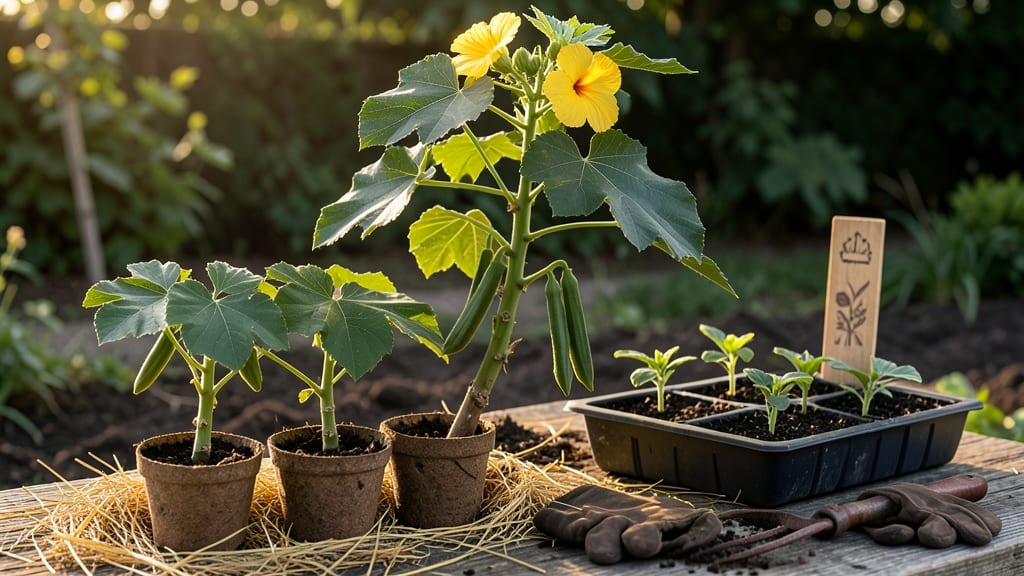
Planting okra in Ohio isn’t just about timing—it’s about outsmarting the state’s fickle weather. This heat-loving plant 🌱 needs warm soil and long summers to thrive, but Ohio’s unpredictable frosts can throw off even the best-laid plans. The difference between a bountiful harvest and wasted effort often comes down to knowing exactly when to put those seeds in the ground.
If you’ve ever watched your okra seedlings shiver in cool spring air or bolt before producing pods, you know how frustrating it can be. The key is waiting until the soil reaches at least 60°F and all frost danger has passed—typically after mid-May in most of Ohio.
But here’s the catch: planting too late means your crop might not mature before fall’s chill sets in.
In this guide, I’ll break down the exact planting window for Ohio’s climate zones, share tricks to extend your growing season, and reveal the biggest mistakes gardeners make that kill their okra before it even starts.
Whether you’re a first-timer or a veteran gardener, these insights will help you grow more okra than you’ve ever had before.
Ready to turn Ohio’s short season into your okra’s prime growing time? Let’s get started.
Optimal planting dates for okra in Ohio’s climate zones
Okra thrives in warm soil and hot weather, making Ohio’s USDA Zone 6a climate a challenge for this tropical vegetable. The key to success? Planting after your last frost date, which typically falls between April 15 and May 1 in most of Ohio.
Northern regions like Toledo and Cleveland may need to wait until mid-May, while southern areas like Cincinnati and Columbus can start as early as late April.
For direct sowing, wait until soil temperatures reach at least 70°F—a critical threshold for okra germination. Use a soil thermometer to monitor warmth, especially in Ohio’s cooler spring mornings.
Transplants can handle slightly cooler soil (60°F+), but they’ll grow more slowly until temperatures rise. My rule of thumb? Don’t rush—okra hates cold feet!
Ohio’s microclimates create big differences in planting windows. Southern Ohio’s warmer microclimate (e.g., Chillicothe) allows for earlier planting, while northern Ohio’s cooler zones (e.g., Sandusky) may need to delay until late May. Check your local frost-free date from the Ohio State University Extension for precision timing.
Here’s how to calculate your personalized planting window:
- Find your last frost date (use the National Oceanic and Atmospheric Administration (NOAA) maps).
- Add 2-3 weeks to account for soil warming.
- Plant after Memorial Day as a safety net—Ohio’s late spring frosts can still sneak in!
| Ohio Region | Last Frost Date | Optimal Planting Window | Soil Temp Requirement | Notes |
|---|---|---|---|---|
| Southern Ohio (e.g., Cincinnati, Columbus) | April 15–April 30 | Late April–Early May | 70°F+ | Warmer microclimate; can start earlier |
| Central Ohio (e.g., Dayton, Mansfield) | April 25–May 10 | Early–Mid May | 70°F+ | Moderate risk of late frost |
| Northern Ohio (e.g., Toledo, Cleveland) | May 1–May 15 | Mid–Late May | 70°F+ | Cooler soils; delay if needed |
| All Regions (Transplants) | April 15–May 15 | Early May–Early June | 60°F+ | Hardier than seeds; better for late starts |
If you’re direct sowing, plant seeds ½ inch deep and 1 inch apart in rows spaced 2 feet apart. Thin seedlings to 12–18 inches apart once they’re 3 inches tall—this gives okra room to grow its 6–10-foot-tall stalks without competition.
Pro tip: Use black plastic mulch to warm the soil faster and suppress weeds.
For transplants, choose 4–6 week-old seedlings from a nursery. Harden them off for 7–10 days before planting to reduce transplant shock. Ohio’s humidity can stress young okra, so avoid planting transplants in July or August—they’ll bolt or struggle in the heat.
Remember: Okra’s growing season is short in Ohio—typically July to October. To maximize your harvest, aim for early planting and use succession planting every 2 weeks until mid-July. This staggered approach ensures a continuous supply of tender pods before Ohio’s first frost hits in mid-October.
One final tip: Monitor your garden for squash bugs and aphids, common Ohio pests that target okra. Start with neem oil sprays or row covers if you notice early signs of infestation. A healthy plant is your best defense against pests!
How to extend Ohio’s short okra growing season
Ohio’s cool nights and early frosts can cut okra’s growing season short—but with the right strategies, you can push harvests well into fall. Since okra thrives in warmth (70°F+ soil), extending its season is all about protecting heat and staggering plantings.
Here’s how to make the most of Ohio’s 165-day frost-free window.
Start by choosing heat-tolerant varieties like ‘Clemson Spineless’ or ‘Emerald’, which handle Ohio’s humidity and temperature swings better than others. These varieties also mature faster, giving you a head start before cooler weather arrives. Pair them with season-extending techniques for maximum success.
- 1. Use black plastic mulch – Lay it down 2-3 weeks before planting to warm soil faster. Remove after harvest to prevent winter weeds.
- 2. Try row covers – Lightweight fabric can protect seedlings from late spring frosts (down to 28°F) and extend fall harvests by 2-3 weeks.
- 3. Succession plant every 2 weeks – Start a new batch every 14 days from late May through early July to ensure continuous pods.
- 4. Plant near heat-retaining structures – Fences, brick walls, or dark-colored containers absorb daytime heat and radiate it at night.
- 5. Choose late-maturing varieties – Opt for types like ‘Burgundy’ (90-day maturity) to maximize Ohio’s short summer.
For fall harvests, start seeds indoors 8-10 weeks before your average first frost (mid-October in Ohio). Transplant seedlings outdoors in late July with row covers to shield them from chilly nights. Monitor soil temps—okra stops growing below 60°F, so act fast when temps dip.
Watering plays a critical role too. Okra needs 1-1.5 inches of water weekly, but deep soakings in morning prevent fungal issues. As summer winds down, reduce water slightly to harden off plants before frost. This trick helps pods ripen faster in cooler weather.
Don’t forget to harvest aggressively once pods form. Picking every 2-3 days encourages more production and keeps plants healthy. With these tactics, you can enjoy fresh okra from July through September—or even October in sheltered microclimates.
Pro tip: Keep a planting journal to track which methods work best in your Ohio zone. Note soil temps, frost dates, and harvest yields to refine your approach each year. 🌱