
Plants
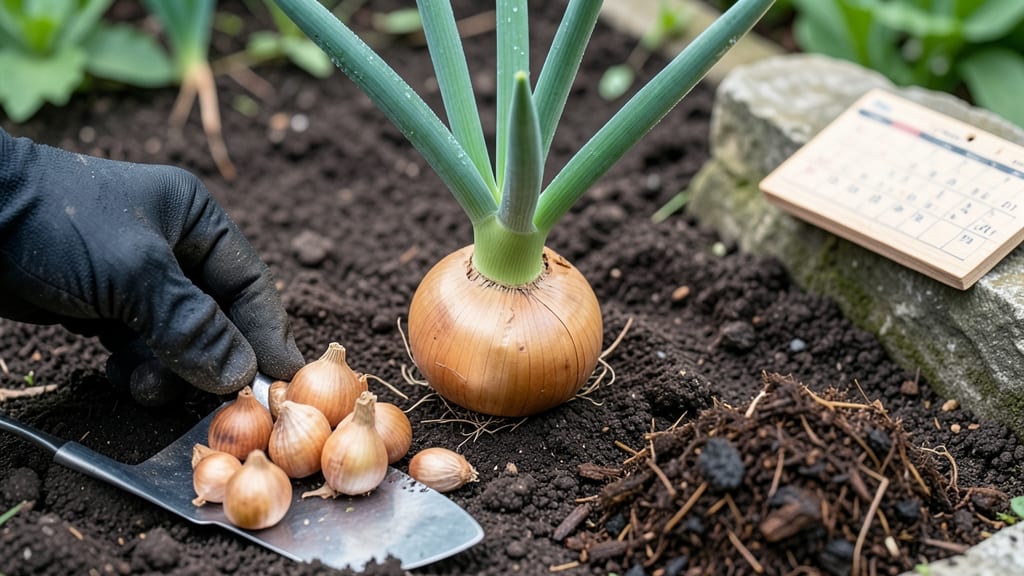
When to plant onion bulbs in Iowa isn’t just about following a calendar—it’s about beating frost, avoiding bolting, and giving your 🧅 the best shot at a bountiful harvest. With Iowa's 5a-5b climate, planting too early risks frost damage, while waiting too long can leave you with small, pungent bulbs instead of the sweet, plump ones you crave.
Most gardeners here swear by two key windows: March-April for spring planting and September-October for fall sets, but the devil's in the details. Soil temperature, last frost dates (usually around April 15), and even your onion variety (short-day vs. long-day) play huge roles in success.
I'll break down exactly when to plant—whether you're using sets, transplants, or seeds—and how to adjust for Iowa's unpredictable weather. You'll learn the critical 4-6 week rule before your last frost, plus pro tips to extend your growing season without risking your crop.
No more guessing games: Let's get those onions in the ground at the perfect moment for big, flavorful bulbs that'll make your kitchen the envy of the neighborhood.
Iowa onion planting timeline by hardiness Zone (with frost-free date maps)
Iowa's hardiness zones 4a-5b create distinct windows for planting onion bulbs, whether you're using sets, transplants, or seeds. The key is aligning your planting with soil temperatures and last frost dates, which vary by just a few weeks across the state.
For most of Iowa, aim to plant 4-6 weeks before your last frost date—typically mid-March to early April—or in early fall (September) for overwintering varieties.
Northern Iowa (Zone 4a) has a shorter growing season, so focus on early-maturing varieties like 'Early Yellow Globe' or 'Red Baron'. Southern Iowa (Zone 5b) can handle slightly later plantings, even into early May, for varieties like 'Sweet Sandwich' or 'Texas Early White'.
Always check your local frost-free date—Iowa State University's frost maps are your best friend for precision.
Here’s how to break it down by zone and method for foolproof timing:
| Zone | Planting Window | Method | Soil Temp | Notes |
|---|---|---|---|---|
| 4a (Northern IA) | Mid-March to early April | Sets/Transplants | 40-45°F | Use cold-hardy varieties; mulch heavily. |
| 4b (Central IA) | Late March to mid-April | Sets/Seeds | 45-50°F | Seeds need warmer soil; start indoors if cold. |
| 5a (South-Central IA) | Early April to early May | Sets/Transplants/Seeds | 50-55°F | Longer season; try fall planting for greens. |
| 5b (Southern IA) | Late March to mid-May | All methods | 50-60°F | Warmest zone; can plant later for storage onions. |
| Fall Planting (All Zones) | Mid-September to early October | Sets only | 50°F+ | Harvest next spring; mulch for winter protection. |
For fall planting, focus on September to give onions time to establish roots before winter. Use cold-hardy varieties like 'Stuttgarter' or 'Yellow Sweet Spanish', and mulch with straw or leaves to insulate bulbs.
In Zone 4a, avoid planting after September 15—late plantings may not survive Iowa’s harsh winters.
Pro tip: Use a soil thermometer to confirm soil temps. Onions need 40-60°F soil to sprout, but 50-55°F is ideal for consistent growth. If your soil is colder than 40°F, wait a week or two—frost-killed seedlings are a common Iowa mistake.
Don’t forget about microclimates! Gardens near lakes or rivers may have 2-3 weeks earlier frost-free dates than inland areas. Check with your local cooperative extension office for hyper-local advice, especially if you’re in Zone 4a where winters are more severe.
Once you’ve nailed your planting window, soil preparation becomes critical. Onions thrive in well-draining, slightly acidic soil (pH 6.0-7.0). Work in compost or aged manure 2-3 weeks before planting to boost fertility without burning young roots.
In heavy clay soils common in Iowa, amend with sand or peat moss to improve drainage.
For spring plantings, aim to have your beds ready by late February so you’re not scrambling as soil thaws. In Zone 5b, you
5 Critical factors that determine your exact onion planting window in Iowa
Iowa’s variable spring weather and microclimates mean that even gardeners in neighboring towns might plant onions at different times. Beyond checking your USDA zone (4a-5b), these 5 key factors will help you pinpoint the ideal window for your onions to thrive.
Let’s break them down so you can avoid common timing mistakes that lead to poor yields.
First, soil temperature is non-negotiable. Onion bulbs and sets need soil that’s at least 40°F (4°C) to germinate successfully. In Iowa, this typically aligns with mid-to-late March in southern zones and early April in northern areas.
Use a soil thermometer to confirm—planting too early in cold soil can stunt growth or invite rot. Pro tip: Mulch heavily after planting to retain warmth and protect young plants from late frosts.
- Soil Temperature: Wait until soil reaches 40°F (4°C) for spring planting.
- Onion Variety: Choose short-day (e.g., 'Sweet Sandwich') for Iowa’s latitude.
- Frost Dates: Plant 4-6 weeks before the last frost (avg. April 15 in Iowa).
- Mulching: Use straw or leaves to protect from late frosts and retain moisture.
- Fall Planting: Sow sets in September for overwintering harvests.
Next, onion variety plays a huge role in timing. Iowa’s latitude (40°N) makes it perfect for short-day onions, which mature faster in cooler conditions. Varieties like 'Texas Early White' or 'Sweet Sandwich' are ideal, while long-day onions (like 'Yellowstone') may bolt or produce smaller bulbs.
Check seed packets for day-length requirements—this ensures you’re growing onions that align with Iowa’s growing season.
Don’t overlook local frost patterns. While the average last frost in Iowa is April 15, your specific location might vary by 1-2 weeks. Use Iowa State University’s frost maps or track your garden’s history for 3 years to refine your schedule.
For example, gardeners in Dubuque (Zone 4b) should plant 2 weeks later than those in Des Moines (Zone 5b) to avoid frost damage.
Another game-changer is mulching strategy. Onions hate fluctuating temperatures, and Iowa’s spring can swing from freezing nights to 70°F days in weeks. Apply a 3-inch layer of straw or leaves after planting to insulate roots.
This also suppresses weeds and retains moisture—critical during Iowa’s dry spells in May and June. For fall-planted onions, mulch again in late November to protect bulbs through winter.
Finally, fall planting is a secret weapon for Iowa gardeners. Sow onion sets in early September (6-8 weeks before the first frost) to let them establish roots before winter. These overwintered onions often produce larger bulbs than spring-planted ones because they avoid Iowa’s summer heat stress.
Just remember: harvest in July before bolting begins, and use well-draining soil to prevent rot during snowmelt.
By mastering these 5 factors, you’ll turn Iowa’s unpredictable climate into an advantage. Start with soil temperature, match your variety to your zone, and use mulch and frost data to fine-tune your schedule. Soon, you’ll be harvesting plump, sweet onions that outshine your neighbors’! 🧅