
Plants
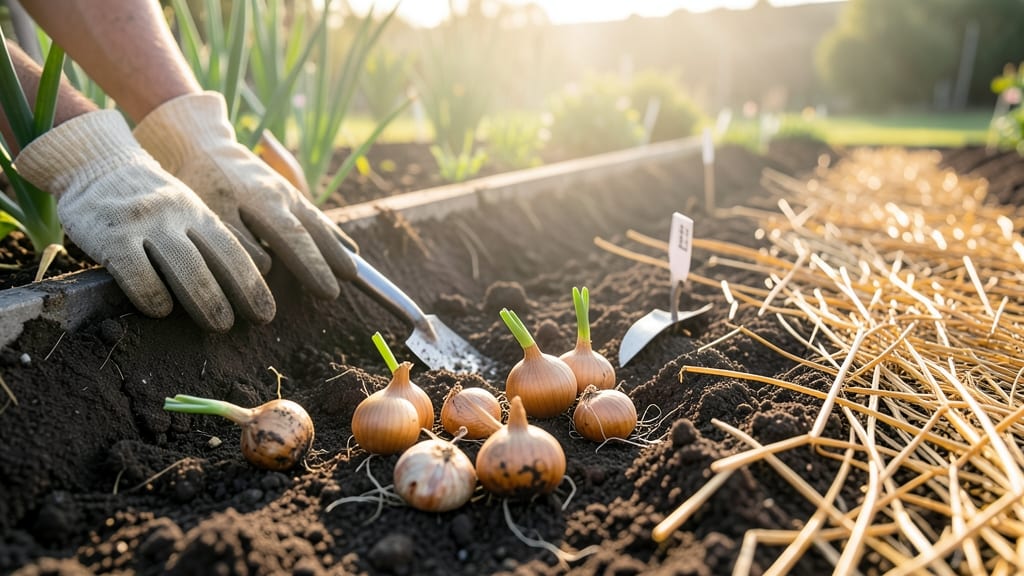
When to plant onion sets in Zone 5 could mean the difference between a crop that thrives and one that struggles. Miss the window, and you risk stunted growth or bolting—especially when those late frosts linger past April 15. I’ve learned the hard way that planting too early can leave your 🧅 vulnerable to cold snaps, while waiting too long might shorten your harvest window. The key is knowing exactly when to get those sets in the ground for fast, bold onions that bulge with flavor. Whether you’re a first-time gardener or a seasoned grower, mastering the spring and fall planting windows is non-negotiable. Let’s break down the exact dates—and what to watch for—so you can avoid common pitfalls and enjoy a bumper crop. From soil prep to frost timing, I’ll walk you through every step to ensure your onions grow faster and stronger than ever. Ready to dig in?
Best planting dates for onion sets in Zone 5 (with frost timing guide)
Timing is critical when planting onion sets in Zone 5—they need a cool start but can’t handle late frosts. The optimal window is 4-6 weeks before your last frost date, which typically falls between March 20 and April 15 for most of Zone 5.
This gives bulbs time to mature before summer heat sets in.
For a fall harvest, you can also plant onion sets in late summer (around August 1-15), allowing them to mature before the first frost in mid-October. This two-season approach maximizes your yield and ensures fresh onions year-round.
Zone 5 has subregional variations—northern areas (like Minnesota or Upstate New York) may need to plant 2-3 weeks later than southern areas (like Northern Illinois or Indiana). Always check your local frost dates for precision.
| Planting Window | Soil Temp Requirement | Last Frost Buffer | Harvest Window |
|---|---|---|---|
| Early Spring (March 20-April 15) | 40°F+ | 4-6 weeks before last frost | June-July |
| Late Summer (August 1-15) | 50°F+ | 10-12 weeks before first frost | September-October |
If you’re unsure about your last frost date, use the 50°F soil temperature as a guide—onion sets won’t sprout until the soil warms to at least 40°F.
For northern Zone 5, wait until mid-April to avoid late spring frosts, while southern Zone 5 can plant as early as late March.
Always plant onion sets 1 inch deep and 2 inches apart in well-draining soil with a pH of 6.0-7.0. Adding compost or aged manure before planting improves bulb size and flavor. Avoid fresh manure, as it can burn roots and stunt growth.
For container growing, use 5-gallon pots with drainage holes and plant 3-4 sets per container. Containers warm up faster in spring, so you can plant 1-2 weeks earlier than in-ground beds. Just ensure they get full sun (6+ hours daily).
One common mistake is planting onion sets too early—if they sprout in cold soil, they’ll bolt (flower) prematurely, reducing bulb size. Conversely, planting too late means bulbs won’t mature before summer heat, leading to small, pungent onions.
Aim for that sweet spot of cool soil and warming air.
Pro tip: Use a soil thermometer to confirm 40°F soil temps before planting. If temps fluctuate, opt for row covers to protect young plants. This is especially useful in Zone 5’s unpredictable spring.
For succession planting, stagger your onion sets every 2 weeks in spring for a continuous harvest. This works well if you have limited garden space but want fresh onions all season.
How to adjust onion set planting for Zone 5’s unpredictable weather
Zone 5’s unpredictable spring frosts and early summer heat waves can throw off even the best-laid onion planting plans. I’ve learned the hard way that a late frost in May or scorching July days can turn your perfect timing into a flop. The key? Flexibility and preparation.
Start by checking your local frost dates—they can vary by 1-2 weeks even within the same zone. For example, northern Zone 5 (like Duluth, MN) may see last frosts in early May, while southern Zone 5 (like Louisville, KY) might be frost-free by mid-April.
Use the National Weather Service or local cooperative extension for precise data.
Here’s my go-to strategy for handling Zone 5’s weather quirks: Plant half your onion sets 2 weeks earlier than your ideal date, and keep the rest in row covers until after the last frost. This two-stage approach ensures you’re not betting everything on a single planting window.
⚠️ Late Frost Warning
Never plant onion sets more than 6 weeks before your average last frost date. Onions are cold-hardy but will bolt (flower prematurely) if exposed to consistent cold too early. If temps drop below 40°F for more than 3 nights in a row, cover them with lightweight row fabric.
For soil warming in chilly springs, I swear by black plastic mulch or straw mulch laid 1-2 weeks before planting. This raises soil temps by 5-10°F, helping roots establish faster.
If you’re in a microclimate (like a south-facing slope), plant there first—it can be 2-3 weeks warmer than your yard’s average.
Don’t overlook fall planting as a backup. Onion sets planted in late August (about 10-12 weeks before your first frost) often mature by October, giving you a second harvest. Just choose short-day varieties like ‘Stuttgarter’ or ‘Red Baron’—they’re bred to handle Zone 5’s shorter daylight in fall.
Finally, keep an emergency planting date in mind: If your spring planting gets delayed by rain, you can still plant onion sets until mid-May. While yields may be smaller, you’ll still get some harvest—better than nothing!
Just avoid planting after June 1st; onions need at least 90 days to mature.