
Plants
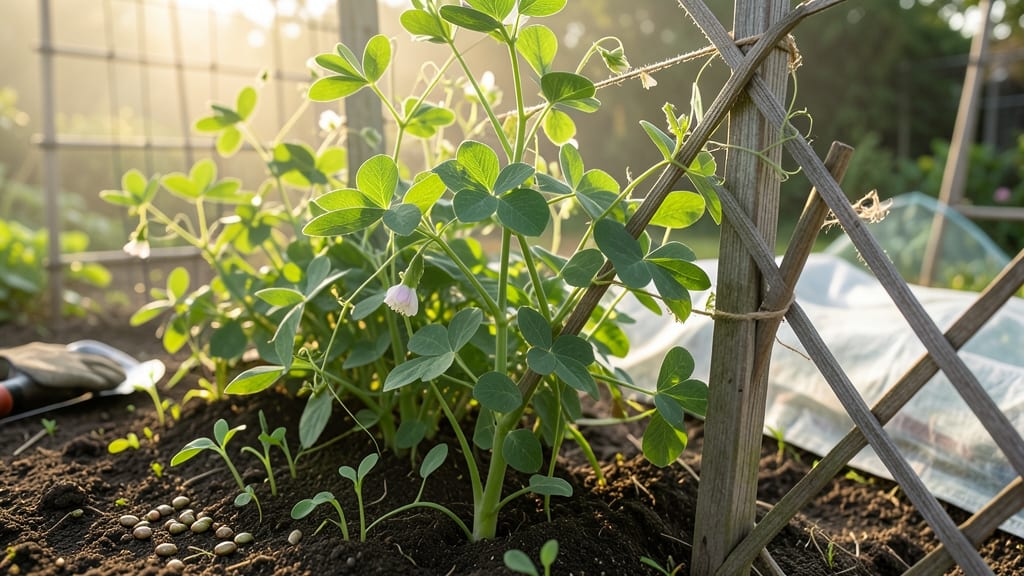
Kansas pea planting calendar by hardiness Zone (soil temps & frost dates)
Peas thrive in Kansas’ cool spring temperatures, but timing is everything. The state spans USDA zones 5-7, with soil temperatures between 40-50°F triggering germination.
Plant too early, and frost zaps tender seedlings; too late, and summer heat stunts growth. Let’s break it down by zone to maximize your harvest.
Kansas’ average last frost dates range from mid-March in southern zones to early April in northern areas. For peas, aim to plant 4-6 weeks before your last frost—this gives them time to mature before summer heat sets in.
Varieties like ‘Sugar Snap’ or ‘Wando’ are cold-hardy and perfect for Kansas’ climate.
Here’s your zone-specific planting calendar, including soil temp thresholds and frost-free deadlines to avoid late-season damage.
| USDA Zone | Ideal Planting Window | Soil Temp Threshold | Last Frost Date | Harvest Window |
|---|---|---|---|---|
| Zone 5 (Northwest KS) | Late March - Early April | 40-45°F | April 15 | Late May - Early July |
| Zone 6 (Central KS) | Early March - Mid-April | 45-50°F | March 20 - April 5 | Mid-May - Mid-July |
| Zone 7 (Southeast KS) | February - Early March | 50°F+ | March 1 - March 15 | Early May - Late June |
🌱 Pro Tip: Use a soil thermometer to confirm temps before planting—peas won’t germinate below 40°F.
For extended harvests, consider succession planting every 2 weeks after your first batch. This works especially well in Zone 7, where milder winters allow for late-winter sowings. Just be prepared to protect seedlings with row covers if frost threatens.
If you’re in Zone 5 or 6, don’t rush to plant early—cold, wet soils can rot seeds. Wait until the ground is workable and temperatures are consistently above 40°F for at least a week. Patience here pays off with healthier plants and higher yields.
Another key factor is daylength. Peas are short-day plants, meaning they flower best when days are 12-14 hours long. In Kansas, this aligns perfectly with spring planting (March-April). Planting in late summer for a fall harvest? Skip it—peas bolt quickly in hot weather.
For organic gardeners, amend soil with compost or aged manure before planting. Peas are legumes, so they fix nitrogen in the soil—but they still need phosphorus and potassium for strong roots. A balanced 5-10-10 fertilizer at planting time gives them a healthy start.
Watch for pea aphids or powdery mildew, which thrive in Kansas’ humid summers. Space plants 2-3 inches apart in rows 18 inches apart to improve airflow and reduce disease risk. Trellising Sugar Snap peas also keeps foliage off the ground, cutting down on pests.
Finally, mark your calendar for late July. That’s when first frost can sneak up in northern Kansas, ending your pea season. If you’ve got late-maturing varieties like ‘Oregon Sugar Pod’, harvest pods as soon as they’re plump and bright green—don’t wait for them to overripe.
How to adjust pea planting for Kansas’ unpredictable spring weather
Kansas’ spring weather is famously fickle—one day brings 50°F soil, the next a hard freeze. Peas thrive in cool conditions but bolt in heat, so flexibility is key. I’ve learned that staggered planting and protective covers can turn Kansas’ whims into your advantage.
For example, my Sugar Snap peas in Zone 6b survived a late-April frost because I planted half in early March and the rest in mid-April after soil warmed.
The secret weapon? Floating row covers (lightweight fabric) that shield tender seedlings from unexpected frost while still allowing sunlight. I use them until temps stay above 40°F at night. Another trick: plant cold-hardy varieties like Wando or Oregon Sugar Pod, which tolerate 28°F for short periods.
These varieties also handle dry spells better than fussy hybrids, which is a lifesaver when Kansas’ April showers turn into May droughts.
Timing isn’t just about dates—it’s about soil conditions. I test soil temps with a digital thermometer; peas sprout best when soil hits 40-50°F. In Zone 7a, that often means planting by February 20th, while Zone 5b gardeners should wait until March 15th.
Pro tip: If soil is too cold, soak seeds overnight to speed germination. I’ve also had success with biodegradable seed starters (like pelletized seeds) that germinate faster in cool soil.
Strategy
Best For
When to Use
Staggered Planting
Extending harvest
Every 2-3 weeks from March to April
Row Covers
Frost protection
Until night temps stay above 40°F
Cold-Hardy Varieties
Early starts
Zones 5-6 (e.g., Wando, Oregon Sugar Pod)
Soil Warmers
Slow soil warming
Before planting in Zone 5
Don’t overlook succession planting—it’s how I’ve doubled my harvest. After the first 60-day variety matures in May, I sow late-season types like Tom Thumb (ready in 55 days) for a July harvest.
This works because Kansas’ summer heat forces peas to bolt quickly, so shorter varieties are ideal. Just avoid planting after June 1st, or you’ll battle pests like aphids and powdery mildew.
Watering is another critical adjustment. Peas need consistent moisture, but Kansas’ windy conditions dry soil fast. I water deeply every 3-5 days in spring, aiming for 1 inch per week. Mulch with straw to retain moisture and suppress weeds—my pea rows stay lush even during dry spells.
Avoid overhead watering at night to prevent fungal diseases, which thrive in Kansas’ humid summers.
Finally, watch for late-season heat. If temps hit 80°F, peas will stop producing. I’ve had success with shade cloth (30% block) over vines during afternoon heat.
This trick keeps pods tender and sweet. With these adjustments, even Kansas’ unpredictable springs can yield bountiful pea harvests—no matter Mother Nature’s mood swings.
🌱