
Plants
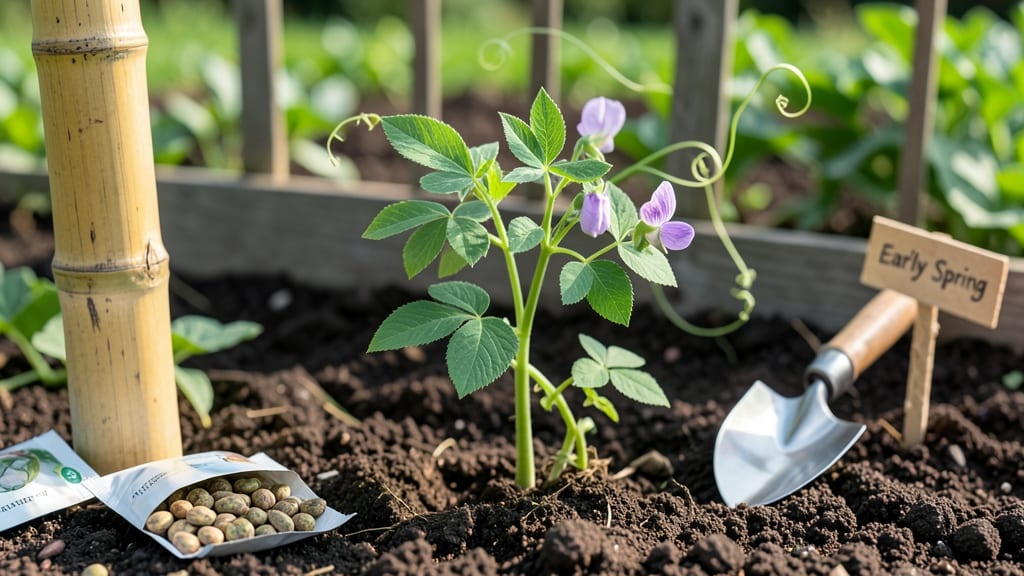
When to plant peas in New Hampshire is all about timing your garden just right—because the difference between a bumper crop of crisp, sweet pods and a frost-nipped disappointment often comes down to knowing your local frost dates and soil conditions. The key isn’t just waiting for spring; it’s understanding how New Hampshire’s unpredictable climate can shift even within short distances, especially in USDA zones 5a-6b. Most gardeners in these zones know the struggle: plant too early, and a late frost will turn your seedlings into sad, wilted memories. But plant too late, and you’ll miss the fast, early harvest you crave. The secret? Starting 4-6 weeks before your last frost date—typically between late March and early April—gives those cold-hardy peas the edge they need. Here’s what you’ll discover: how to read your soil’s temperature cues, which pea varieties handle NH’s unpredictable springs best, and how to stretch your harvest season with clever planting tricks. Whether you’re a beginner or a seasoned gardener, these tips will help you grow peas that are faster, healthier, and ready to pick when you are. Let’s dive into the exact timing and techniques that’ll turn your garden into a pea-producing powerhouse—no more guesswork, just delicious results.
New Hampshire pea planting timeline: frost dates and soil temperature guide
Peas are one of the first cool-season vegetables you can plant in New Hampshire, but timing is critical. Since NH falls in USDA Zones 4-5, average last frost dates range from mid-April (coastal areas) to early May (inland regions).
Planting too early risks frost damage, while waiting too long means missing the 60-day harvest window for most varieties.
For best results, aim to plant 4-6 weeks before your last frost date. This gives peas enough time to germinate in 40°F+ soil (they won’t sprout below this).
In Zone 5a, that means late March to early April, while Zone 6b gardeners can start as early as mid-March. Coastal areas like Portsmouth may have slightly earlier windows due to moderating ocean breezes.
🌱 NH Pea Planting Timeline by Region
| Region | Last Frost Date | Optimal Planting Window | Soil Temp for Germination |
|---|---|---|---|
| Coastal (Portsmouth, Hampton) | Mid-April | Late March - Early April | 40°F+ |
| Inland (Concord, Manchester) | Early May | Early April - Mid-April | 40°F+ |
| Northern (Littleton, Berlin) | Early May | Mid-April - Early May | 45°F+ (slower germination) |
*Check your local NH Agricultural Experiment Station for yearly frost updates.
If you’re eager to start even earlier, consider cold-hardy varieties like ‘Green Arrow’ or ‘Alaska’, which can tolerate light frosts. For direct sowing, scatter seeds 1 inch deep and 2 inches apart in rows spaced 18 inches apart.
A quick soil test ensures your beds have a pH of 6.0-7.0, which peas prefer.
For gardeners in Zone 5a, late winter planting under row covers or in a cold frame can jumpstart growth. Just monitor soil temps—peas won’t germinate below 40°F, and soggy soil from melting snow can rot seeds.
If your ground is too cold, wait until mid-April for a more reliable harvest.
Don’t overlook fall planting either! Hardy varieties like ‘Sugar Snap’ can be sown in late August for a September-October harvest before the first frost. This works best in southern NH, where first frosts hit mid-October. Use black plastic mulch to warm the soil and extend the season.
Pro tip: Use a soil thermometer to confirm readiness. Peas germinate best in 50-70°F soil, so if temps hover near 40°F, wait a few more days. Patience now means sweeter, more abundant pods later—trust me, your taste buds will thank you!
For container growing, stick to dwarf varieties like ‘Little Marvel’ and plant in 5-gallon pots filled with well-draining potting mix. Containers warm up faster than garden beds, so you can plant 2-3 weeks earlier than in-ground peas. Just ensure pots get 6+ hours of sun daily.
Finally, keep an eye on NH’s unpredictable weather. If a late frost is forecasted after planting, cover seedlings with frost cloth or an old bedsheet. Peas can handle light frosts (down to 25°F for established plants), but young seedlings are far more vulnerable.
A little extra protection goes a long way in NH’s variable springs.
With these frost-free guidelines, you’ll be well on your way to a bountiful pea harvest—whether you’re a beginner gardener or a seasoned pro. Happy planting! 🌱
5 Critical factors that determine your pea planting success in NH
When planning your pea planting schedule in New Hampshire, timing isn’t the only factor—soil temperature, sunlight exposure, and even your garden’s microclimate play huge roles. Let’s break down the five critical factors that ensure your peas thrive from seed to harvest, no matter where you live in the Granite State.
First, soil temperature is non-negotiable. Peas need soil at least 40°F (4°C) for germination, but ideal conditions are 50-60°F (10-15°C). Cold, wet soil can delay sprouting or even rot seeds. Use a soil thermometer to check—if it’s below 45°F (7°C), wait a week or two before planting.
Sunlight exposure is another game-changer. While peas tolerate partial shade, they produce best yields with 6-8 hours of sun daily. In NH’s shorter growing season, prioritize south-facing garden beds or use reflective mulch to maximize light. If your garden is shady, opt for dwarf varieties like ‘Little Marvel’ for smaller harvests.
Next, consider your garden’s microclimate. Coastal areas like Portsmouth experience milder winters and later frosts, while inland spots like Concord can see earlier spring freezes. Adjust your planting window by 1-2 weeks based on your location—coastal gardeners can plant 2 weeks earlier than inland growers.
Don’t overlook companion planting, either. Peas thrive alongside carrots, radishes, and cucumbers but avoid planting near onions or garlic, which stunt their growth. Use trellises for climbing varieties like ‘Sugar Snap’ to save space and improve air circulation, reducing disease risk in NH’s humid summers.
Finally, moisture management is key. Peas need consistent soil moisture but hate soggy conditions. Mulch with straw or grass clippings to retain humidity without waterlogging. In NH’s unpredictable springs, a drip irrigation system ensures steady watering, especially during dry spells in April or May.
By mastering these five factors, you’ll turn NH’s challenges into opportunities—whether you’re dealing with late frosts, rocky soil, or limited sunlight. Your peas will reward you with sweet, crisp pods all season long!
🌱 Critical Factors for NH Pea Success
- 1. Soil Temperature: Wait until soil reaches 40°F+ (use a thermometer!)
- 2. Sunlight: Aim for 6-8 hours/day; partial shade reduces yield
- 3. Microclimate: Coastal areas plant 2 weeks earlier than inland
- 4. Companion Plants: Pair with carrots/radishes; avoid onions/garlic
- 5. Moisture: Mulch to retain water; avoid soggy soil
Pro tip: If your spring is unusually wet, delay planting until the soil dries out slightly. Peas hate waterlogged roots, and soggy conditions invite fungal diseases like root rot. A quick soil test for drainage will save you headaches later!