
Plants
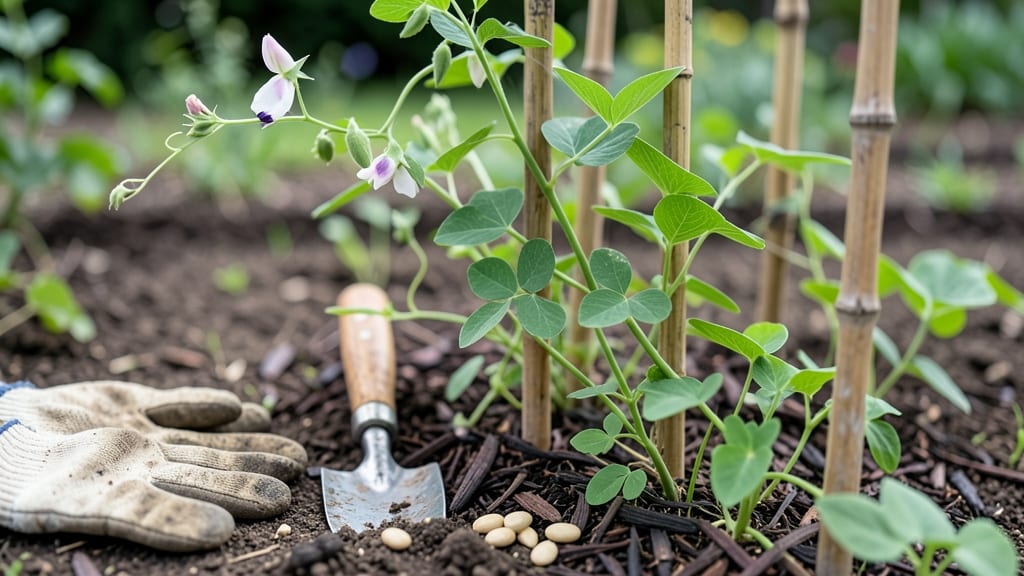
Timing your pea planting in Northern California wrong could mean the difference between a bountiful harvest and wasted effort. With coastal fog, inland valleys, and USDA zones 8a-9b, getting it right takes more than just guessing—it requires understanding your microclimate's unique frost patterns.
Plant too early, and tender 🌱 peas will bolt or freeze; too late, and you'll miss the sweetest pods of the season.
Most gardeners in Northern California focus on spring planting, but fall offers a second chance for success—especially in regions like the Bay Area where mild winters extend the growing season.
The key lies in knowing your last frost date (typically around February 15 but varying by location) and planting 4-6 weeks before it for spring, or September-October for fall harvests.
This guide breaks down exactly how to calculate your perfect window, whether you're in foggy Santa Cruz or the warmer Sacramento Valley.
Why does this matter? Because peas thrive in cool weather—they'll bolt (flower prematurely) if temperatures creep above 75°F. By aligning your planting with your local microclimate, you'll ensure steady growth, stronger vines, and pods that stay sweet and crisp.
Let's dive into the exact timing and strategies that work for Northern California's diverse growing conditions.
From coastal gardens to inland farms, we'll cover everything you need to know—including soil prep, frost protection, and variety selection—to turn your pea patch into a reliable, zero-frost success story. No more guessing games, just data-driven planting that delivers results.
Northern California pea planting zones: coastal vs. valley timing differences
Northern California’s diverse microclimates create unique challenges for pea growers. The San Francisco Bay Area, for example, enjoys milder winters with coastal fog protection, while the Sacramento Valley faces harsher cold snaps. Understanding these differences ensures your peas thrive without frost damage.
Peas are cool-season crops that prefer 50-70°F temperatures. In Northern California, this means two ideal planting windows: late winter/early spring (February-March) and fall (September-October). However, exact timing varies by USDA zones 8a-10 and local microclimates.
Here’s how to align your planting schedule with Northern California’s regional frost patterns. The comparison below breaks down timing for three key areas: coastal regions, valley areas, and mountain foothills, each with distinct frost risks and growing seasons.
| Region | USDA Zone | Avg Last Frost | Fall Planting Window | Spring Planting Window | Key Microclimate Notes |
|---|---|---|---|---|---|
| Coastal (SF Bay Area) | 9a-10 | Feb 20-March 5 | Sept 15-Oct 15 | Feb 28-March 15 | Fog delays frost; extend fall planting to Nov 1. |
| Sacramento Valley | 9b-10 | Feb 10-Feb 25 | Sept 1-Oct 10 | Feb 15-March 10 | Harsher cold snaps; use row covers for early spring. |
| North Coast (Mendocino) | 8a-9a | Feb 5-March 1 | Aug 20-Sept 15 | Feb 20-March 5 | Cooler summers; plant early fall for best yields. |
| Mountain Foothills (Napa) | 9a-9b | Feb 15-March 1 | Sept 1-Oct 5 | Feb 25-March 10 | Frost pockets; plant near south-facing slopes. |
For coastal areas, like Santa Cruz or Half Moon Bay, the foggy marine layer can delay frost by 2-3 weeks. This means you can safely plant peas as late as early November in mild years.
In contrast, inland valleys like Sacramento or Stockton may experience sudden cold snaps, so stick to the earlier October window.
If you’re in a transition zone, such as the Santa Cruz Mountains or Napa Valley foothills, monitor local weather forecasts. These areas can experience microclimate shifts where lower elevations stay warmer while higher areas freeze. Plant in sheltered, south-facing spots to mitigate risks.
Pro tip: Use NOAA’s frost maps or your local CoCoRaHS station data to pinpoint your exact 30-day pre-planting window. For example, if your area’s last frost is February 20, aim to plant by January 20 for a spring crop.
For fall planting, the goal is to harvest before first frost. In Zone 9b, this typically means planting by October 15 for a November-December harvest. In cooler Zone 8a areas, like the North Coast, shift planting to late August for a September-October harvest.
Remember, pea seeds germinate best at 40-80°F. Soil temperatures below 40°F slow germination, while temperatures above 80°F can cause bolting (premature flowering). Use a soil thermometer to confirm ideal conditions before planting.
For urban gardeners in cities like San Francisco or Oakland, container growing extends flexibility. Plant in deep pots (12+ inches) and move them to protected spots during cold snaps. Just ensure your containers have drainage holes to prevent root rot.
Finally, succession planting every 2-3 weeks ensures a continuous harvest. In Northern California, this means two main plantings: one in late winter and another in early fall, with optional mid-season plantings for extended production.
How to calculate your exact pea planting window using frost dates
Timing your pea planting isn’t just about guessing—it’s about reading your local climate like a pro. Peas are cool-season crops that thrive in temperatures between 40°F and 75°F, but they’ll bolt (flower prematurely) if exposed to consistent warmth above 80°F.
To nail the perfect window, you’ll need to work backward from your last frost date.
Start by checking your average last frost date for your specific area. In Northern California, this typically falls between February 15 (coastal) and March 15 (valleys). For example, if your last frost is March 1, aim to plant peas 4-6 weeks before—so late January to early February.
This gives seedlings time to establish roots before soil warms.
Here’s the key: Peas grow best when soil temperatures stay below 70°F. In inland valleys like Sacramento, soil can heat up faster, so plant earlier (late January) than coastal areas like San Francisco (early February).
Use a soil thermometer to confirm temps are ideal—aim for 50°F to 60°F.
📋 Step-by-Step Pea Planting Timeline
- Step 1: Find your last frost date (check NOAA or local CoCoRaHS data).
- Step 2: Subtract 4-6 weeks to get your ideal planting window.
- Step 3: Adjust for microclimates—coastal areas plant 1-2 weeks later than inland.
- Step 4: Test soil temperature (use a thermometer; aim for 50°F-60°F).
- Step 5: Plant 1 inch deep, 2-3 inches apart, with rows 18 inches apart.
- Step 6: Use row covers if nights dip below 32°F to protect seedlings.
For a fall harvest, aim to plant peas 8-10 weeks before your first frost (typically September 15-October 15 in Northern California). This ensures pods mature before cold sets in. In foggy coastal areas, you might push planting to early November—just monitor weather forecasts for unexpected cold snaps.
Pro tip: If your growing season feels too short, extend it with cold frames or low tunnels. These can push your last possible planting date by 2-3 weeks in early spring or delay the first frost in fall. Just remove covers during the day to prevent overheating.
Remember, peas are fast growers—most varieties mature in 60-75 days. By planting in two successive batches (e.g., late January and early February), you’ll enjoy a continuous harvest instead of one big rush. Happy planting! 🌱