
Plants
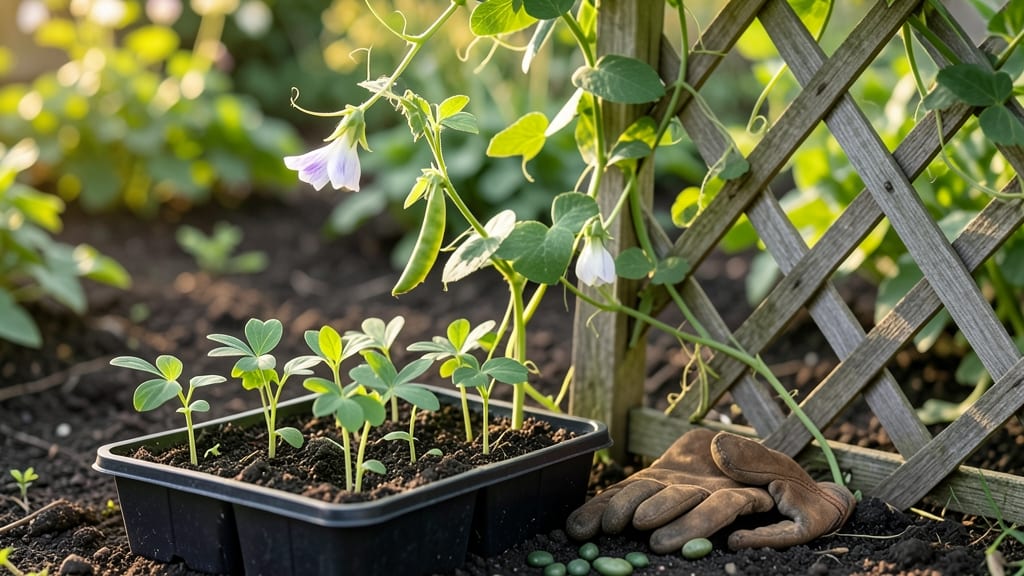
Pea planting calendar for Portland oregon: frost-free timing by month
Portland’s cool maritime climate creates perfect conditions for peas, but timing is everything. The last average frost date is around March 15, while the first frost typically arrives November 15.
This gives you two ideal planting windows: early spring and late summer/fall. Let’s break down the best months for each season’s pea crop.
For spring planting, aim to sow peas 2-3 weeks before your last frost date—typically mid-to-late February. This gives them time to establish roots before warmer weather arrives. Fall planting should start in mid-August for a harvest before winter sets in.
Peas grow best in 50-75°F soil temperatures, so avoid planting when the ground is too cold or waterlogged.
Here’s your Portland pea planting calendar with frost dates, soil temps, and variety recommendations:
| Season | Best Planting Month | Soil Temp (°F) | Pea Variety | Harvest Window |
|---|---|---|---|---|
| Spring | Mid-February to early April | 45-65°F | Sugar Snap, Oregon Sugar Pod | May-June |
| Fall | Mid-August to early October | 50-70°F | Green Arrow, Lincoln | October-November |
🌱 Note: Adjust for microclimates—urban areas may warm faster than rural zones.
If you’re growing dwarf varieties, like Little Marvel, they’re perfect for container gardens and can be planted slightly later in spring or earlier in fall. Climbing varieties, such as Telephone, need trellises and benefit from earlier planting to maximize vine growth before summer heat arrives.
Portland’s rainy springs can delay planting, so always check soil conditions. Stick your finger 2 inches deep—if it’s cold and soggy, wait a week or two. Well-draining soil is critical to prevent root rot, especially in our damp climate.
For maximum yield, consider succession planting. After your first spring harvest, sow a second crop in late April for a July-August harvest. This works well with sugar snap peas, which tolerate warmer soil better than shelling peas.
Remember, fall peas are your secret to a late harvest. Plant cold-hardy varieties like Green Arrow in August for pods ready by October. Use row covers to extend the season into November if frost threatens.
Pro tip: Mark your calendar for Portland’s average frost dates—they’re your planting guide. Miss them, and you’ll miss out on sweet, homegrown peas.
Signs your peas are ready to plant (and when to wait)
Portland’s cool, damp springs can fool even experienced gardeners into planting peas too early. The key to success lies in watching for specific soil and weather cues that signal your garden is truly ready.
Cold, wet soil can delay germination or even rot seeds, so timing matters more than you might think.
First, check your soil temperature—peas thrive when soil reaches at least 40°F (4°C). A simple soil thermometer (or even your finger) can tell you if conditions are right. If the ground feels cold or soggy, it’s better to wait a few weeks rather than risk poor germination.
Rainfall patterns also play a critical role. Peas need consistent moisture, but excessive rain can lead to fungal diseases like powdery mildew. If Portland’s typical March showers are still heavy, consider delaying planting until the weather stabilizes.
🌱
⚠️ Warning: Common Planting Mistakes
Planting peas in cold, wet soil can cause seeds to rot before sprouting. If your soil feels like a muddy puddle when squeezed, wait until it’s crumbly and slightly damp—like a well-wrung sponge.
Another red flag: frost warnings in the forecast. Peas can tolerate light frosts, but hard frosts below 25°F (-4°C) will kill young plants. Always check the National Weather Service for Portland’s 10-day forecast before planting.
Pay attention to plant growth stages around you. When nearby broccoli or cabbage starts to bolt (sprout flowers), it’s often a sign that soil temperatures are rising—perfect timing for peas. Alternatively, watch for wild pea plants in nearby fields or parks; they’ll naturally sprout when conditions are ideal.
Finally, consider your pea variety. Dwarf varieties like ‘Little Marvel’ or ‘Tom Thumb’ can handle cooler soils better than climbing types like ‘Sugar Snap’ or ‘Wando.’ If you’re unsure, start with hardy dwarf peas for a safer bet in Portland’s unpredictable climate.
Once you’ve confirmed soil warmth, stable weather, and the right variety, it’s time to plant! But remember: patience is key—waiting a few extra weeks can mean the difference between a thriving crop and a failed attempt.