
How To
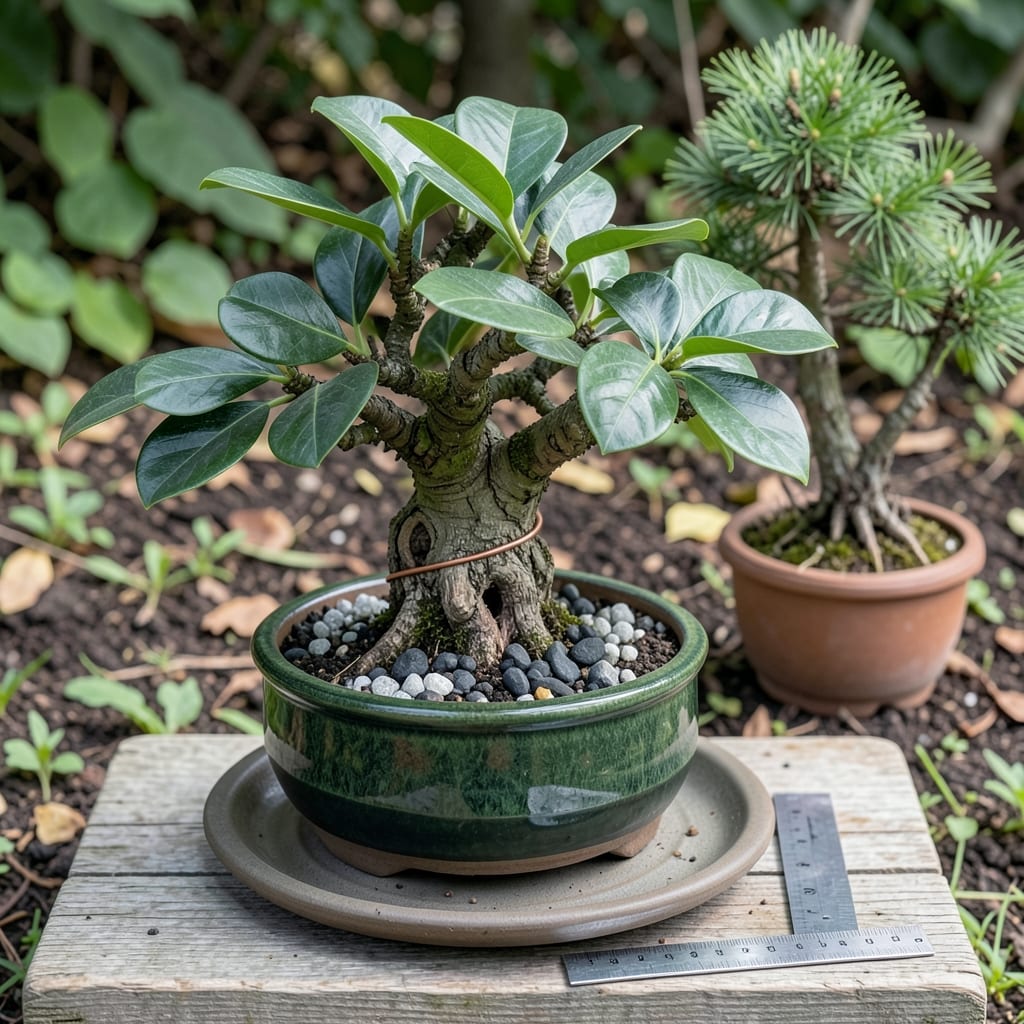
Curious about bonsai tree how tall do they grow? The answer isn't as simple as you might think—these miniature trees can range from just 8 inches to over 3 feet, depending on the species and care techniques you use.
While some bonsai enthusiasts dream of creating a dwarf masterpiece that fits in their palm, others work with species that naturally grow taller. The key to controlling height lies in understanding your tree's genetic potential and mastering pruning, wiring, and seasonal adjustments.
In this guide, I'll break down the natural height ranges of popular bonsai species, like junipers and ficus, and reveal how techniques like defoliation and root pruning can keep your tree at your desired size. Whether you're starting with a 6-inch seedling or caring for a mature specimen, you'll learn exactly how to shape its growth.
Ready to discover the secrets behind creating the perfect miniature tree? Let's explore how to balance natural growth with artistic control for a bonsai that's truly one-of-a-kind.

Natural mature heights of popular bonsai species: tiny to towering
The height of your bonsai tree depends entirely on its species and genetic potential. While bonsai are famously miniature, some species naturally grow taller than others when cultivated as bonsai. Understanding these ranges helps you set realistic expectations and choose the right tree for your vision. For example, a juniper bonsai typically stays between 1-3 feet tall, while a ficus bonsai can reach 2-5 feet without aggressive pruning.
Even within the same species, height variations exist due to pruning styles, training methods, and age. A pine bonsai, for instance, might grow 3-8 feet tall if left unchecked, but with regular root pruning and wiring, it can be kept under 2 feet. The key is balancing the tree’s natural growth habits with your artistic goals.
Here’s a quick comparison of common bonsai species and their typical mature heights when cultivated as bonsai:
| Species | Mature Height (Bonsai) | Natural Height (Unpruned) | Notes |
|---|---|---|---|
| Juniper (Juniperus) | 1–3 ft | 10–50 ft | Slow grower; ideal for miniature bonsai. |
| Ficus (Ficus retusa) | 2–5 ft | 30–50 ft | Fast-growing; great for beginner bonsai. |
| Pine (Pinus spp.) | 3–8 ft | 50–100 ft | Needs aggressive pruning to stay small. |
| Azalea (Rhododendron) | 1–2 ft | 6–10 ft | Flowering bonsai; prefers acidic soil. |
| Chinese Elm (Ulmus parvifolia) | 2–4 ft | 40–60 ft | Tolerates urban pollution; great for cities. |
If you’re aiming for a miniature bonsai under 12 inches, focus on species like juniper or azalea. For a standard bonsai (12–18 inches), ficus or Chinese elm are excellent choices. Meanwhile, pine bonsai lovers should prepare for more maintenance to keep them compact.
One common misconception is that all bonsai stay under 3 feet. While this is true for most well-maintained bonsai, some species—like black pine or Japanese maple—can grow taller if pruning is neglected. Always research your chosen species’ growth habits before purchasing.
For example, a Japanese maple bonsai (Acer palmatum) typically stays between 1.5–4 feet, but its delicate leaves and vibrant colors make it worth the extra care. If height is a concern, opt for a dwarf variety, such as Acer palmatum ‘Bloodgood’, which maxes out around 2 feet.
Another factor influencing height is the age of the tree. A 10-year-old bonsai will naturally be taller than a 5-year-old, even if both are the same species. This is why young bonsai (under 3 years old) are often sold as starter trees—they’re easier to shape early on.
To visualize these differences, imagine a juniper bonsai sitting comfortably on a coffee table (1–2 feet tall), while a neglected pine bonsai might tower over a standard desk lamp (3–5 feet). The choice is yours—whether you prefer a tiny tabletop masterpiece or a statement-piece bonsai.
Next, we’ll explore how pruning and training techniques can further control your bonsai’s height, ensuring it stays within your desired range—no matter the species.
How pruning and training techniques control bonsai tree height
Mastering bonsai tree height control starts with understanding the tools at your disposal. Unlike full-sized trees, bonsai rely entirely on human intervention to stay small. The most effective techniques include pruning, defoliation, and wiring, each serving a unique purpose in shaping your tree's growth trajectory.
Regular pruning isn't just about trimming branches—it's about redirecting a tree's energy. By cutting back new growth, you encourage lateral branching while preventing vertical elongation. For example, a ficus bonsai that grows 6 inches annually without pruning can quickly outgrow its pot, so strategic cuts every 4-6 weeks keep it compact.
Defoliation takes height control to the next level. Removing 50-70% of leaves forces the tree to produce smaller, denser foliage while stunting overall growth. This technique works best on deciduous species like maple bonsai during their active growing season. Just be prepared for a temporary shock—your tree will look sparse for a few weeks before rebounding with tighter growth patterns.
Wiring is the artist's tool in bonsai cultivation. By gently bending branches with aluminum or copper wire, you can create dramatic curves and control upward growth. However, timing is critical—wire too tightly or leave it on too long, and you risk scarring the bark. Most bonsai experts recommend removing wires after 3-6 months to prevent permanent damage.
Seasonal adjustments play a crucial role too. During spring and summer, when growth is most vigorous, you'll need more frequent pruning sessions. In contrast, fall and winter care focuses on minimal maintenance to allow the tree to rest and recover. This cyclical approach prevents sudden height spikes while maintaining your bonsai's health.
Step-by-Step Height Control Guide
- 1. Assess Current Growth: Measure your bonsai's height and note which branches are elongating fastest.
- 2. Prune New Shoots: Cut back vertical growth by 1/3 to 1/2 using clean, sharp scissors.
- 3. Apply Defoliation: For dense foliage, remove leaves to encourage smaller, tighter growth.
- 4. Wire Problematic Branches: Gently bend upward growth into horizontal or downward positions.
- 5. Repot Annually: Trim 20-30% of roots to slow overall growth and improve soil health.
- 6. Adjust Seasonally: Increase pruning in spring/summer; reduce in fall/winter for dormancy.
"Consistency is key—bonsai height control is an ongoing process, not a one-time fix."
For species like juniper bonsai, which naturally grow 1-3 feet when unpruned, aggressive pruning can maintain them at 8-12 inches. Meanwhile, pine bonsai—which can reach 3-8 feet in nature—require even more frequent attention to stay within bonsai proportions. The secret lies in balancing these techniques with your tree's specific needs and growth patterns.
Remember, every cut and bend is a creative decision. Whether you're aiming for a miniature masterpiece or a semi-dwarf specimen, these techniques give you full control over your bonsai's height and shape. With practice, you'll develop an intuitive sense of when to prune, wire, or let your tree grow freely for artistic effect.