
Plants
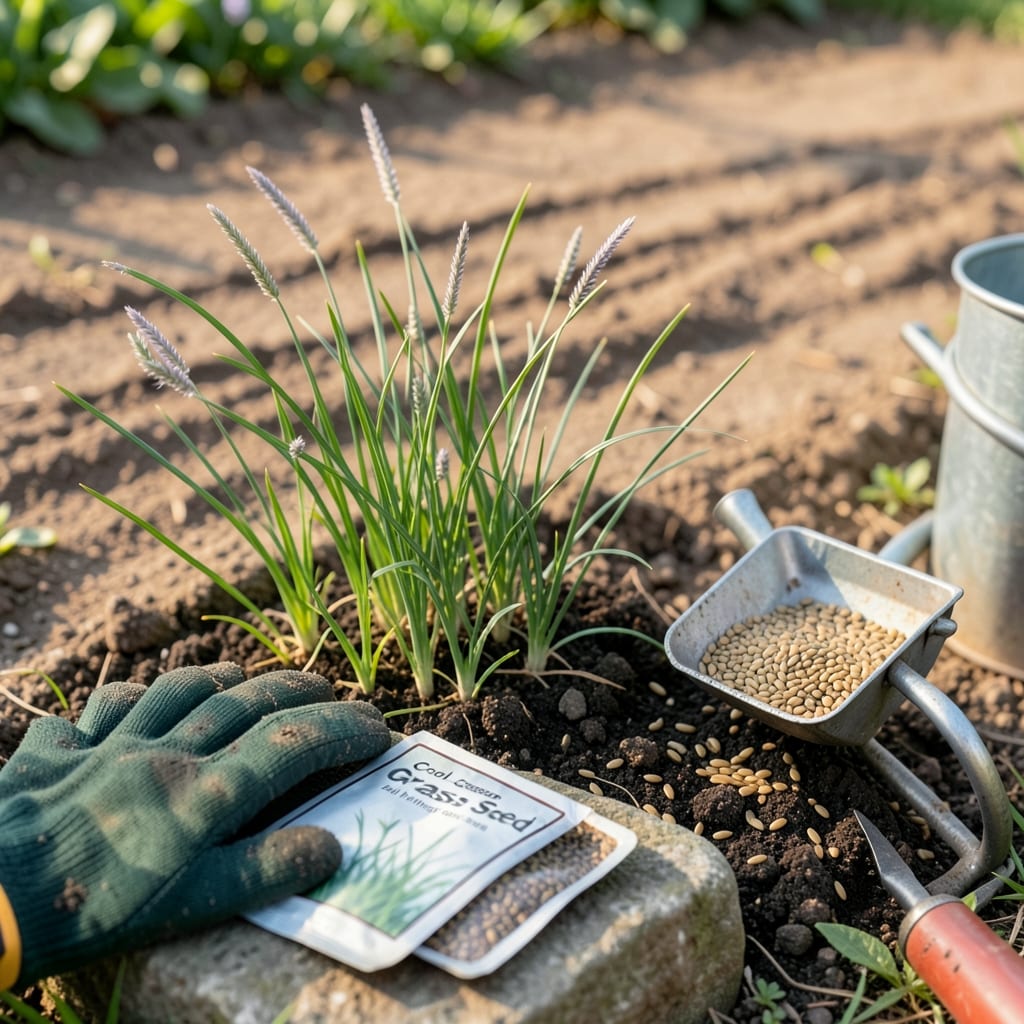
Timing your grass seed planting in the fall can mean the difference between a lush, green lawn next spring and a patchy, weed-infested disappointment. The 4-6 weeks before first frost window isn't just a suggestion—it's when cool-season grasses like fescue and ryegrass get the perfect head start.
Why does this matter? Because fall offers cooler temperatures, fewer weeds, and ideal moisture levels for seed germination. But get it wrong, and you'll either waste your seed on early weeds or risk frost damage before roots establish. I'll show you exactly how to nail this timing—plus soil prep tricks—that make all the difference.
Let’s break down the optimal weeks before frost for your region, whether you're in the chilly North or milder South. You'll also discover how to prep your soil like a pro, avoid common mistakes, and give your new grass the best shot at thriving through winter.
Ready to transform your lawn? The secret starts with knowing when—and how—to plant. Let’s get growing!
Best fall grass seed planting timeline by region and frost dates
Fall is the golden window for planting grass seed because cooler temperatures and increased rainfall create ideal conditions for germination. However, the exact timing depends on your USDA hardiness zone and your region's first frost date. Plant too early, and weeds will outcompete your tender seedlings; too late, and frost will kill them before they establish. Let’s break it down by grass type and climate zone.
Most cool-season grasses (like Kentucky bluegrass, tall fescue, and perennial ryegrass) thrive when planted 4-6 weeks before the first frost. This window ensures they have time to germinate, develop roots, and harden off before winter. For warm-season grasses (such as Bermuda or Zoysia), fall planting is less common, but if you must, aim for 6-8 weeks before frost in USDA Zones 7-10.
Here’s the critical rule: Your soil temperature should stay above 50°F for at least 4-6 weeks after planting. If frost hits before your grass reaches 2-3 inches tall, it won’t survive. Use a soil thermometer to monitor—this is non-negotiable for success.
Regional differences matter. In the Northern U.S. (Zones 3-6), plant between mid-September and early October. In the South (Zones 7-10), stretch your window to late August through November, but stop by Halloween to avoid winter damage. For example, in Zone 5, aim for September 15-October 15; in Zone 8, October 1-November 15 works best.
🌱Pro Tip: Check your local Almanac’s frost date and count backward. If your first frost is November 15, plant by October 1 for cool-season grasses. Warm-season grasses in the South? Push it to November 1 at the latest.
| Grass Type | Best Planting Window | USDA Zones | Soil Temp Requirement | Key Risk |
|---|---|---|---|---|
| Cool-Season (Kentucky Bluegrass, Fescue, Ryegrass) | 4-6 weeks before first frost | 3-8 | 50-65°F | Weed competition if planted too early |
| Warm-Season (Bermuda, Zoysia, St. Augustine) | 6-8 weeks before frost (or late spring) | 7-10 | 65-80°F | Frost damage if planted too late |
| Tall Fescue (Drought-Tolerant) | Late August to early October | 4-9 | 55-70°F | Slow germination if soil is too cool |
🌡️ Soil temp is the #1 factor for success—always check before planting!
If you’re in a transition zone (like Zone 6-7), err on the earlier side. For example, in Atlanta (Zone 7b), plant by October 15 to avoid winter kill. In Chicago (Zone 5b), wrap up by October 1. Southern California (Zone 9-10)? You can plant as late as November 15, but expect slower growth in cooler months.
One common mistake is assuming "fall" means October only. In reality, September is often the best month in cooler climates because soil stays warm longer. Use a seed germination chart for your specific grass type—some varieties (like fine fescue) germinate faster than Kentucky bluegrass, so adjust accordingly.
🌿Regional Hack: If your area has unpredictable frosts, plant in two stages: 50% of your seed in early September and the remaining 50% in mid-October. This hedges your bets against early or late frosts.
Finally, don’t forget that fall planting gives your grass a head start for spring. Seeds sown in September-October will establish roots before winter, then expl
How to prepare your soil and lawn for fall grass seed success
Preparing your lawn for fall grass seed is like setting the stage for a performance—get it right, and your grass will thrive. Start by mowing your lawn short but not scalped, leaving blades around 1 to 1.5 inches tall. This height ensures sunlight reaches the soil while keeping the area manageable for seed-to-soil contact.
Next, aerate your lawn to relieve soil compaction, which is especially critical if your lawn sees heavy foot traffic. Use a core aerator to pull small soil plugs, creating channels for seeds, water, and nutrients to penetrate deeper. Aim for 0.25 to 0.5-inch diameter holes spaced about 2 to 3 inches apart for optimal results.