
How To
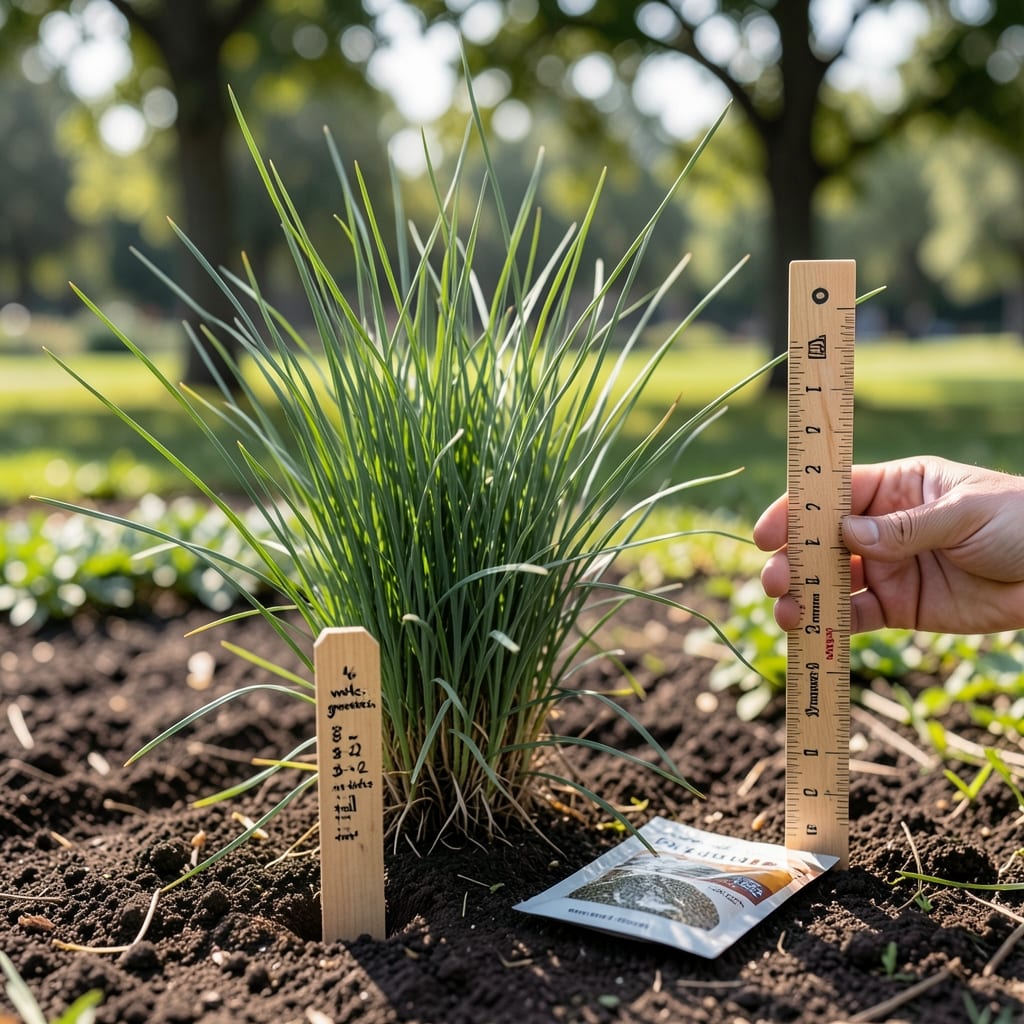
Wondering how long for tall fescue to grow before you see that lush, green carpet you planted? The answer isn’t just about time—it’s about patience, prep, and knowing exactly what to expect at each stage. This cool-season grass 🌱 takes its sweet time, but with the right care, you can turn those tiny seeds into a resilient lawn that lasts for years.
From the first sprouts peeking through the soil to full coverage, tall fescue follows a predictable timeline—though weather, soil, and your maintenance habits can speed things up or slow them down. In this guide, I’ll break down the month-by-month growth phases so you know exactly what to watch for, when to adjust your watering, and how to troubleshoot delays before they become problems.
Whether you’re planting in Zone 6a during early spring or fall, understanding these stages is the key to avoiding frustration. You’ll learn how to create the perfect conditions for faster germination, why some months see slower progress, and how to tell if your grass is on track—or needs a little extra TLC.
Ready to transform your patchy yard into a thick, vibrant lawn? Let’s dive into the timeline and tips that’ll help you get there—without the guesswork.

Tall fescue growth timeline: month-by-month development from seed to full cover
Tall fescue is the marathon runner of lawn grasses—it doesn’t rush, but it endures. If you’re planting seeds, expect the first sprouts in 5-14 days, but full coverage can take 9-12 months under ideal conditions. The timeline varies based on soil temperature, moisture, and your care routine, but this month-by-month breakdown will help you track progress and adjust your approach.
Understanding each stage helps you troubleshoot delays. For example, cool soil or inconsistent watering can stretch germination to 3-4 weeks, while proper prep and consistent moisture keep things on track. Let’s walk through what to expect each month, including key milestones and red flags.
🌱
| Stage | Timeframe | Key Milestones | Ideal Conditions |
|---|---|---|---|
| Germination | 5-14 days | First green sprouts appear | Soil temp: 60-75°F, daily watering |
| Seedling Establishment | 3-6 weeks | Grass reaches 2-3 inches tall | Full sun, 1 inch water/week |
| Rapid Growth | 2-4 months | Grass fills 50% of lawn | Warm soil, mow at 3 inches |
| Full Coverage | 9-12 months | Thick, dense lawn (no bare spots) | Consistent care, proper fertilization |
In the first 2 weeks, focus on keeping the soil moist but not soggy. Tall fescue seeds need consistent moisture to break dormancy, but waterlogged soil can cause rot. Use a spray nozzle to water gently, aiming for ¼ inch of water daily. If you notice mold or fungus, reduce watering slightly and improve drainage.
By month 2, your seedlings should be 2-3 inches tall and developing deeper roots. This is when you can start light fertilization (a 10-10-10 NPK blend) to encourage stronger growth. Avoid heavy feeding too early—it can burn tender new shoots. Instead, focus on mowing when the grass reaches 3-4 inches to prevent scalping.
Between months 3-6, tall fescue enters its rapid growth phase. You’ll see the lawn thicken significantly, but this is also when weeds may try to muscle in. Hand-pull weeds early or apply a pre-emergent herbicide in late summer to prevent them. During this stage, increase watering to 1-1.5 inches per week, especially if your area experiences drought.
💧
By month 6, your lawn should cover 50-70% of the area, but full maturity takes patience. Tall fescue’s deep root system means it establishes slowly but becomes incredibly resilient. If you notice thin patches or yellowing, it could signal compacted soil or nutrient deficiency. Aerate the lawn in early fall to improve root penetration and apply a slow-release fertilizer to support long-term health.
Full coverage—where your lawn looks thick and uniform—typically occurs between 9-12 months. At this point, tall fescue’s drought resistance and shade tolerance kick in, making it a low-maintenance choice. To maintain its lush appearance, mow regularly at 3-4 inches and water deeply but infrequently (encouraging deep roots).
🌿
One common misconception is that tall fescue grows faster in warmer months. Actually, it thrives in cool-season conditions (60-75°F). Planting in early spring (March-April) or early fall (August-September) gives you the best results. If you plant in summer, germination can take up to 3 weeks longer due to heat stress, so always pre-soak seeds and mulch lightly to retain moisture.
If your lawn isn’t progressing as expected, check these three factors: soil pH (ideal: 6.0-7.0), watering consistency, and seed depth (¼ inch max). Shallow planting or uneven soil can delay sprouting. Use a soil test kit to verify pH and amend with lime or sulfur as needed before reseeding.
How to speed up tall fescue growth: pro tips for faster germination and thicker coverage
If your tall fescue is taking its time to sprout or fill in, don’t worry—there are proven ways to speed up germination and thicken coverage without compromising long-term health. The key lies in soil prep, watering consistency, and timing. Many gardeners rush the process, only to end up with patchy results. Let’s dive into the actionable tips that’ll get your lawn on the fast track—without cutting corners.
First, soil temperature is your biggest ally. Tall fescue germinates best when soil is between 60-75°F. If your area is too hot (like mid-summer), try pre-soaking seeds for 12-24 hours before planting to jumpstart hydration. For cooler climates, use a black plastic mulch to warm the soil 2-3 weeks before seeding. This simple trick can cut germination time by 3-5 days.
🌱
- 🌡️ Soil Prep: Test pH (aim for 6.0-7.0) and aerate compacted soil 2 weeks before planting.
- 💧 Watering: Keep soil consistently moist (¼ inch daily) but avoid puddles to prevent seed rot.
- 🌱 Seeding Depth: Plant seeds ¼ inch deep—no deeper—to ensure oxygen reaches the seed.
- ☀️ Sunlight: Ensure 6+ hours of direct sun daily; partial shade slows growth by 20-30%.
- ✂️ First Mow: Wait until grass reaches 3-4 inches before mowing to avoid scalping roots.
Next, let’s talk watering. Many gardeners either drown or underwater their seeds, both of which stall growth. Use a spray nozzle to apply ¼ inch of water daily for the first 2 weeks, then taper to ½ inch per week once seedlings emerge. Water in the early morning to reduce evaporation and fungal risks. Pro tip: Use a rain gauge or tuna can to measure water—your eye can easily over- or under-estimate.
For thicker coverage, focus on fertilization timing. Avoid heavy feeding in the first 6 weeks—it burns tender shoots. Instead, apply a light 10-10-10 NPK fertilizer when grass reaches 2-3 inches tall. After that, switch to a slow-release fertilizer every 6-8 weeks during the growing season (spring and fall). This feeds roots steadily without overwhelming the plant.
💧
One of the biggest mistakes I see is over-seeding too late. If you’re aiming for a full lawn by summer, plant in early spring (March-April). Fall planting (August-September) is also ideal, but avoid seeding in late summer or winter—cool soil and frost can delay germination by 2-3 weeks. For faster results, consider sodding a portion of your lawn while seeding the rest. This gives you instant coverage in high-traffic areas while the seeds fill in the gaps.
Finally, weed competition is the silent growth killer. Weeds steal nutrients and shade out young grass. Hand-pull weeds in the first 4 weeks or apply a pre-emergent herbicide in late summer to prevent crabgrass and other annuals. If weeds are already established, spot-treat with a vinegar-based herbicide (safe for grass when used carefully). Consistency is key—don’t let weeds take over any phase of growth.
✂️