
Light Requirements
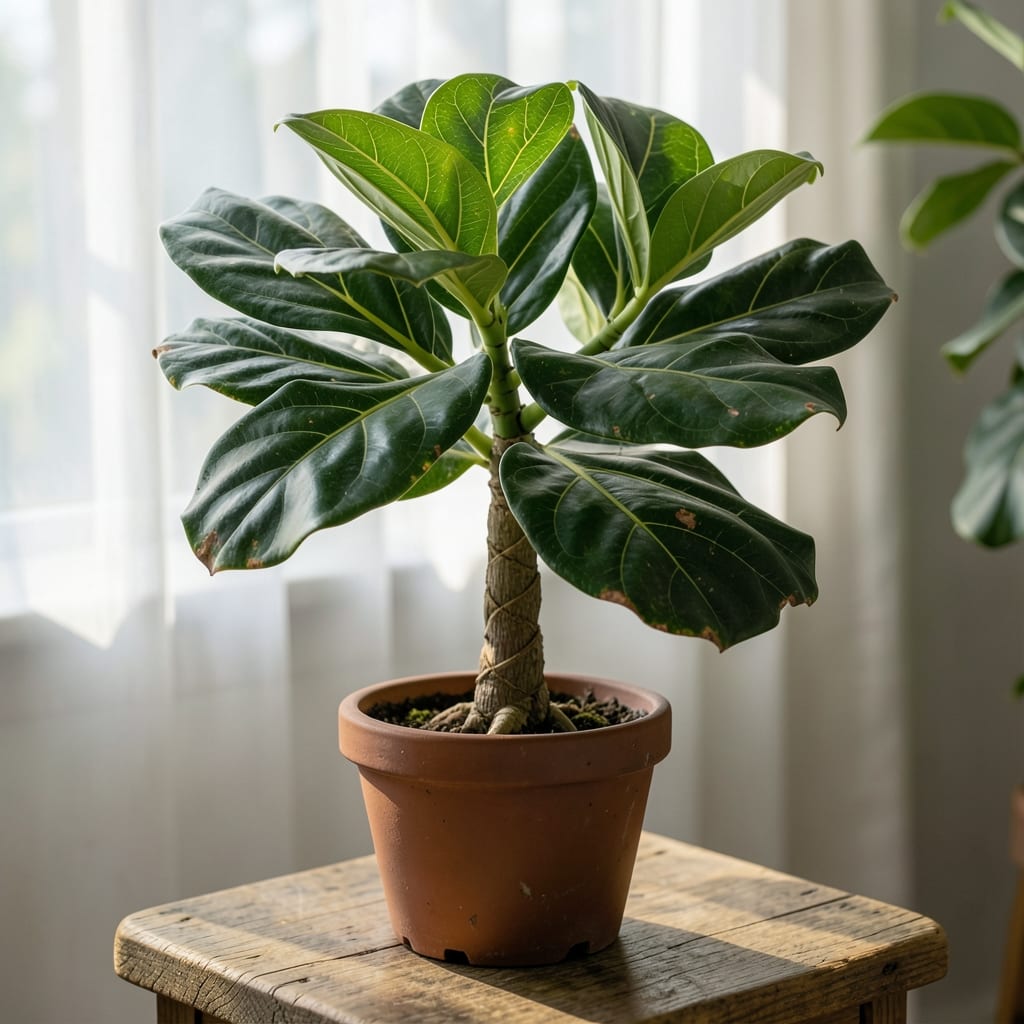
Ficus light requirements: the ideal bright indirect spectrum for healthy growth
Ficus plants—like the popular Ficus elastica (rubber plant) or Ficus benjamina (weeping fig)—thrive on bright indirect light, mimicking their natural understory habitat. Too little light causes stunted growth and pale leaves, while too much direct sun leads to leaf scorch and crispy edges. The sweet spot? 4-6 hours of filtered sunlight daily, achieved by placing them near east or north-facing windows.
Think of it like a sunbathing rule: ficus plants want morning sun exposure (6 AM–10 AM) but need protection from harsh afternoon rays (12 PM–4 PM). This balance ensures their glossy leaves stay vibrant without turning yellow or brown. For indoor growers, this means avoiding south- or west-facing windows unless you use sheer curtains to diffuse intensity.
Here’s the light spectrum breakdown ficus plants crave: 60% blue light (for compact growth) and 40% red light (for photosynthesis). Artificial LED grow lights with a 5000K–6500K color temperature can replicate this if natural light is scarce. Place the light 12–18 inches above the plant and keep it on for 12–14 hours daily.
| Light Condition | Ficus Response | Ideal Fix |
|---|---|---|
| Low Light (<1000 lux) | Leggy growth, small leaves, pale color | Move to brighter spot or add grow light |
| Bright Indirect (1000–3000 lux) | Healthy growth, glossy leaves, compact shape | Perfect! Rotate plant weekly for even growth |
| Direct Sun (>3000 lux) | Brown leaf tips, crispy edges, leaf drop | Use sheer curtain or move 3+ feet from window |
For Ficus elastica, which has bold, variegated leaves, bright indirect light is even more critical—their white or pink variegation needs extra light to maintain color. Meanwhile, Ficus benjamina, with its delicate foliage, tolerates slightly lower light levels but still struggles in dim corners. Pro tip: Rotate your ficus every 2–4 weeks to prevent lopsided growth from leaning toward light sources.
Seasonal adjustments are key! In winter, when daylight drops, supplement with a 10W LED bulb placed 18 inches away for 4–6 hours daily. In summer, watch for afternoon sun burning—move your plant 2 feet back from the window if you notice yellowing edges. A simple DIY light test works too: Hold a white sheet of paper near the plant. If you can’t read text through the shadow, the light is too harsh.
Outdoor ficus plants (like Ficus microcarpa) need partial shade—think dappled sunlight under a tree canopy. Avoid full sun, which causes leaf scorch within hours. If you’re growing ficus outdoors in USDA Zone 10+, choose a morning sun, afternoon shade location, like near a north-facing wall or under a pergola.
Remember: Leaf color is your best indicator. Dark green, glossy leaves mean your ficus is happy. Dull, yellowing leaves? It’s begging for more light. Brown patches? It’s getting too much sun. Tweak the placement until you find that sweet spot—your ficus will reward you with lush, vibrant foliage for years.
🌿
Signs your ficus isn’t getting enough (or too much) light—and how to fix it
Your ficus plant might be silently screaming for help—its leaves tell the story. Yellowing leaves often signal too much direct sun, while brown leaf tips or drooping foliage usually mean insufficient light. Even slow growth or bare stems can point to light deprivation. These visual cues are your ficus’s way of communicating its needs.
First, check the light intensity near your plant. Hold a piece of paper near it—if the shadow is sharp and dark, it’s getting direct sunlight, which can scorch leaves. For bright indirect light, the shadow should be soft and slightly blurred. This is the goldilocks zone for ficus plants.
If your ficus is in a low-light corner, you’ll notice pale, sparse leaves and elongated stems reaching for light. This is called etiolation, and it weakens the plant. Move it closer to a north-facing window or use a grow light for 4-6 hours daily to restore balance.
🚨 Warning: Overwatering in Low Light
Ficus plants in low-light conditions absorb less water. Overwatering causes root rot and yellow leaves. Let the top 1-2 inches of soil dry before watering again to prevent this common mistake.
On the flip side, leaf scorch (brown, crispy edges) or bleached patches mean your ficus is getting too much direct sunlight. South- or west-facing windows are often culprits. Try moving your plant 6-10 feet away from the window or use a sheer curtain to diffuse harsh rays.
For artificial lighting, opt for a full-spectrum LED grow light placed 12-18 inches above the plant. Use it for 12-14 hours daily to mimic natural light cycles. Avoid incandescent bulbs—they emit too much heat and not enough blue light, which ficus plants need for healthy growth.
Seasonal changes also affect light needs. In winter, shorter daylight hours mean your ficus may need supplemental light. Rotate the pot quarter-turns weekly to ensure even growth, and wipe dusty leaves with a damp cloth to maximize light absorption.
Remember, every ficus variety has slight differences—Ficus elastica (rubber plant) tolerates slightly more light than Ficus benjamina. Adjust based on your plant’s specific reactions and your home’s lighting conditions. 🌿