
How To
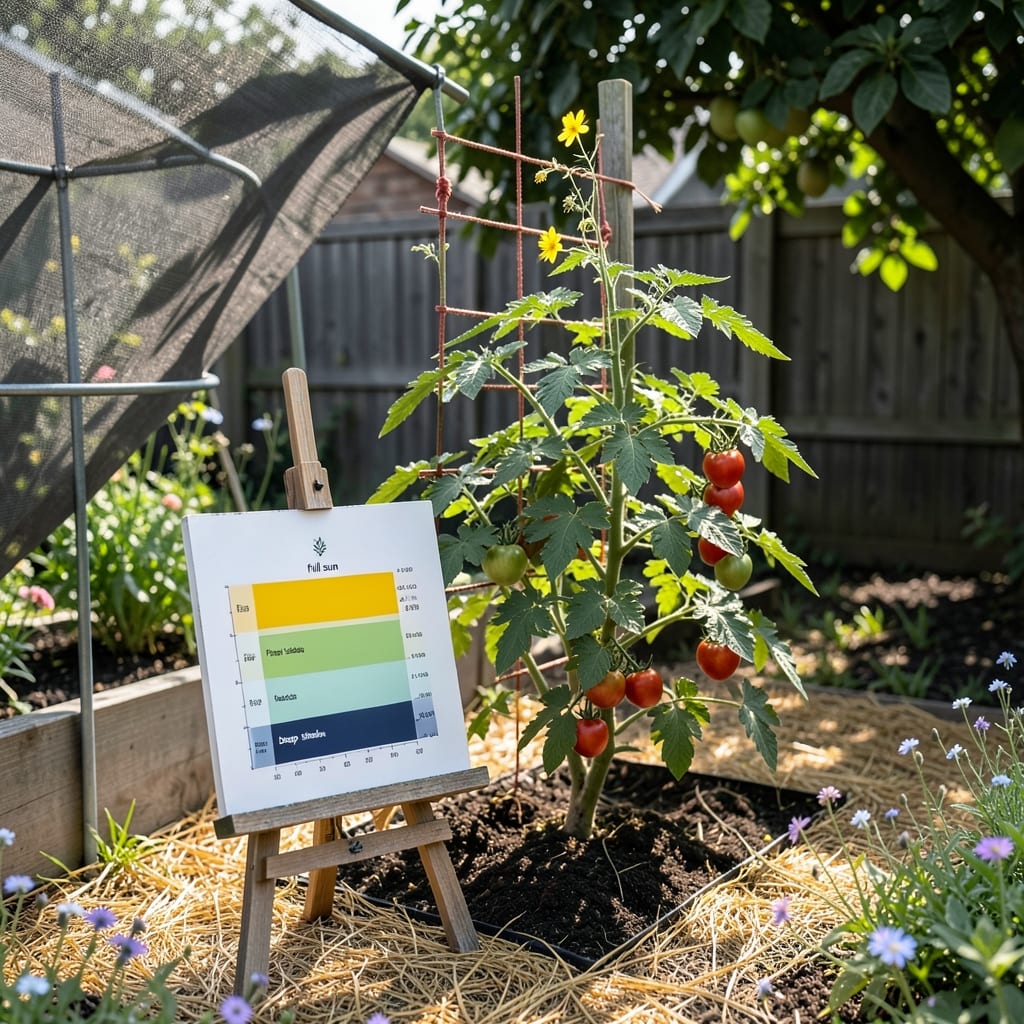
If you’re wondering how much light does a tomato plant need to thrive, the answer is simple: they’re sun-hungry, and getting the balance right is the difference between a sparse harvest and a bountiful one.
Most gardeners know tomatoes need sunlight, but few realize 6 to 8 hours of direct light daily is the sweet spot for peak production. Too little, and your plants will stretch toward the sky, wasting energy instead of setting fruit. Too much, and they can scorch or fail to thrive in extreme heat.
In this guide, I’ll break down exactly how much sunlight your tomato plants need at every stage—from seedlings to ripe fruit—plus how to spot the signs when they’re begging for more (or less) light. Whether you’re working with a sunny backyard or a shady balcony, you’ll learn how to tweak their environment for the best results.
Ready to turn those weak vines into fruit-loaded powerhouses? Let’s dive into the sunlight secrets that’ll change your harvest this season.


Optimal sunlight hours for tomato plants: the science behind fruit production
Tomato plants thrive under full sun conditions, but what does that really mean? Most gardeners need 6 to 8+ hours of direct sunlight daily to achieve that perfect balance between lush foliage and heavy fruit production. Without enough sunlight, your plants will struggle to produce the energy needed for robust growth and fruit development.
Sunlight isn’t just about quantity—it’s also about quality. Tomato plants need bright, direct sunlight, not filtered or reflected light. The intensity matters because it drives photosynthesis, the process that turns sunlight into the energy your plants use to grow and produce fruit. Without sufficient light, you’ll see weak stems, small leaves, and fewer tomatoes.
Let’s break down the sunlight requirements by growth stage. Seedlings need 4-6 hours of light daily to prevent leggy growth, while mature plants in the flowering and fruiting stages demand 8+ hours for maximum yield. Skipping this step often leads to disappointing harvests, even with the best soil and watering practices.
In hot climates, afternoon shade can protect plants from scorching, but morning sun is essential. Cooler regions may need supplemental lighting or south-facing placement to meet the 6-8 hour minimum. Understanding these nuances helps you tailor your garden setup to your local climate.
| Growth Stage | Sunlight Needs | Key Notes |
|---|---|---|
| Seedlings | 4-6 hours | Prevents legginess; use grow lights if needed. |
| Vegetative | 6-8 hours | Balances leaf and stem growth. |
| Flowering | 8+ hours | Critical for pollination and fruit set. |
| Fruiting | 8-10 hours | Maximizes sugar development in fruit. |
🌱 Tomato Sunlight Requirements by Stage
Did you know that tomatoes need sunlight for photosynthesis, but too much heat without proper water can stress plants? In regions with intense afternoon sun, providing partial shade during peak hours (1 PM to 4 PM) can prevent sunburn on leaves and fruit. This is especially important for varieties like cherry tomatoes, which are more sensitive to heat stress.
If you’re growing tomatoes in containers or urban gardens, prioritize south-facing windows or balconies. A south-facing window can provide 6-8 hours of sunlight, but larger containers may need rotating to ensure even exposure. For indoor growers, LED grow lights can supplement natural light, mimicking full-sun conditions.
One common mistake is assuming more sunlight always means better results. While tomatoes love sun, excessive heat without adequate water can lead to blossom drop or cracked fruit. The key is finding the sweet spot—enough light for energy but balanced with moisture to keep plants healthy.
For those in shadier climates, consider dwarf or bush varieties like 'Tiny Tim' or 'Patio' tomatoes, which tolerate 4-6 hours of sun better than indeterminate types. These varieties are perfect for patios or small gardens where full sun isn’t an option.
Pro tip: Use a sunlight tracker or app to monitor your garden’s light exposure. Many free tools can help you determine if your space meets the 6-8 hour minimum for optimal tomato growth. This small step can make a huge difference in your harvest!
Signs your tomato plants aren’t getting enough (or too much) sunlight
If your tomato plants are struggling, the first thing to check is their light exposure. Too little sunlight leads to weak, leggy growth, while too much can cause scorching or poor fruit development. Knowing these visual and behavioral cues helps you diagnose issues before they ruin your harvest.
One of the most obvious signs of insufficient sunlight is long, spindly stems with small leaves. These plants stretch toward the light, a condition called etiolation, which weakens their structure and reduces fruit production. You might also notice pale or yellowing leaves, especially on the lower stems, as the plant struggles to photosynthesize efficiently.
On the flip side, too much direct sunlight can cause leaf scorch, where edges turn brown and crispy. Overheated plants may also develop blossom-end rot, a common issue caused by uneven water uptake due to stress. If your tomatoes are small, misshapen, or fail to ripen, excessive heat without proper shade could be the culprit.
Another red flag is poor fruit set. If your plants flower but produce few tomatoes, they may not be getting enough light for pollination and energy production. This is especially common in shady or indoor growing conditions, where light intensity is lower. Even with perfect care, weak light leads to weak yields.
🌱 Diagnose Your Tomato Plant’s Light Needs
If you spot these signs, don’t panic—there are simple fixes! For underlit plants, move them to a sunnier spot or use reflective surfaces (like white walls or mirrors) to bounce extra light onto leaves. For over-exposed plants, provide afternoon shade with a lightweight shade cloth or dappled shade from nearby trees.
Another quick fix is to rotate your plants weekly to ensure even light exposure. This prevents one side from becoming leggy or scorched while the other remains weak. For container growers, consider moving pots to follow the sun’s path across your space.
Remember, the goal is 6-8 hours of direct sunlight for most tomato varieties. If your garden falls short, low-light varieties like 'Tiny Tim' or 'Balcony Red' can still produce fruit with 4-6 hours of sun. With these adjustments, you’ll be well on your way to a thriving tomato harvest!