
How To
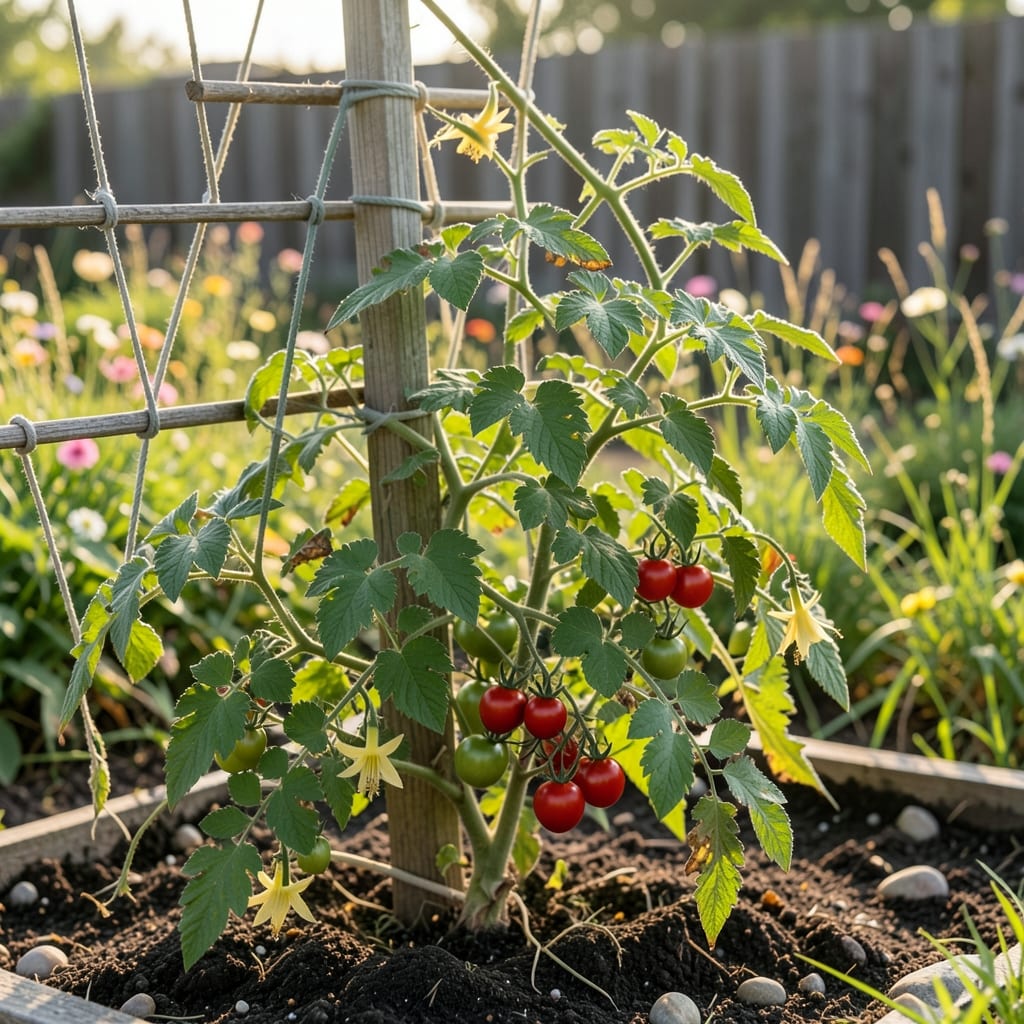
If you're growing cherry tomatoes this season, you might be surprised to learn that how tall cherry tomatoes grow can vary dramatically—from just 1 foot to towering over 6 feet—depending on the variety you choose. Understanding this isn’t just about space planning; it’s the key to maximizing your harvest and keeping your garden tidy.
Some varieties, like the compact 'Tiny Tim,' stay neatly contained at 1-3 feet, making them perfect for containers or small gardens. On the other hand, sprawling types like 'Sweet Million' can climb to 6 feet or more if left unchecked, turning your backyard into a jungle of vines. The difference comes down to whether your plants are determinate (bush-type) or indeterminate (vining).
But here’s the game-changer: with the right pruning and support, you can control their height and even boost your yield. Whether you’re working with a 3-foot dwarf or a 6-foot vine, I’ll show you how to train them for success—no garden chaos in sight.
Ready to turn your cherry tomato patch into a well-organized, high-producing powerhouse? Let’s dive into the varieties, pruning tricks, and support systems that will make all the difference this growing season.


Cherry tomato plant height by variety: compact vs. vining types explained
Cherry tomatoes aren’t just small—they come in dramatically different heights, from compact bush varieties that stay under 2 feet to vigorous vining types that climb to 10 feet without support. The key difference? Determinate (bush) varieties grow to a fixed height, while indeterminate (vining) types keep growing until frost. This matters for space planning, container gardening, and even harvest timing.
For example, the 'Tiny Tim' variety tops out at just 12–18 inches, making it perfect for windowsill gardens or hanging baskets. Meanwhile, the 'Sweet Million' can sprawl 8–10 feet if left unchecked—a great choice for trellises or vertical gardening. Your choice of variety directly impacts how much vertical space you’ll need and whether you’ll need support structures.
Here’s the critical distinction: Determinate varieties (like 'Patio' or 'Balcony Red') produce fruit in one massive flush, then stop growing. Indeterminate types (like 'Sun Gold' or 'Black Cherry') keep producing fruit all season long but require pruning and training to manage their height. If you’re short on space, dwarf varieties are your best bet, but if you want a continuous harvest, vining types win.
Now, let’s talk container gardening. Even indeterminate varieties can thrive in pots if you choose the right size—5-gallon containers work for bush types, while 10–15 gallon pots are better for vining varieties. The deeper the pot, the more room roots have to grow, which translates to taller, healthier plants. Just remember: drainage holes are non-negotiable to prevent root rot.
Climate plays a huge role in how tall your cherry tomatoes grow. In warmer climates (like USDA Zones 8–10), indeterminate varieties can grow 20–30% taller than in cooler zones because they have a longer growing season. Conversely, in shorter seasons (Zones 4–6), you’ll want to focus on compact or early-maturing varieties to avoid frost damage before harvest.
One common mistake I see is assuming all cherry tomatoes are the same size. Not true! Some varieties, like 'Micro Tom', stay under 12 inches but produce tiny, grape-sized tomatoes. Others, like 'Super Sweet 100', can reach 6–8 feet and produce 100+ tomatoes per plant. Always check the mature height and spread on seed packets or plant tags before buying.
If you’re growing in small spaces, consider bush varieties or patio-specific hybrids. These are bred to stay under 3 feet and often produce fruit faster than their taller counterparts. For example, 'Tumbling Tom' is a trailing variety that works perfectly in hanging baskets, while 'Roma Cherry' is a determinate type that stays under 3 feet tall.