
Light Requirements
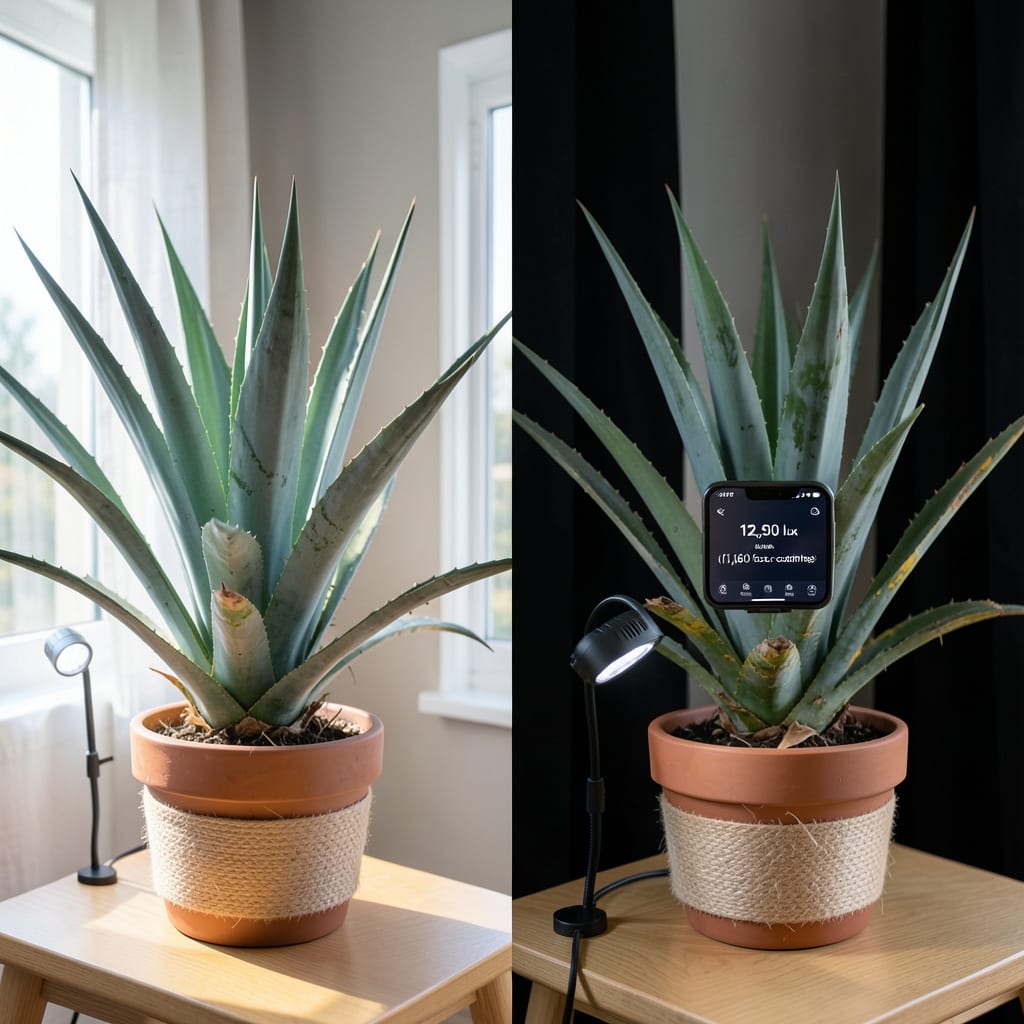
If you’re wondering how much light does a yucca plant need, the answer is simple: this hardy shrub isn’t just tolerating sun—it’s practically begging for 6-8 hours of direct rays daily. Too little, and it stretches awkwardly; too much, and those sharp leaves turn into sad, brown crunchies. The good news? Getting the balance right is simpler than you think.
Most gardeners assume "full sun" means dumping their yucca in the hottest spot possible, but that’s a fast track to sunburn. The key is mimicking its natural desert habitat: bright, unfiltered light without the midday intensity. Whether you’re working with a south-facing balcony or a living room window, small tweaks—like rotating the pot or using sheer curtains—can make all the difference.
You’ll also learn to read your plant’s mood swings: yellowing leaves scream "not enough light," while crispy edges whisper "too much." I’ll walk you through how to spot these signs early and adjust care before your yucca throws in the towel. Ready to turn that wilting 🌵 into a thriving centerpiece?
From container setups to garden beds, we’ll cover the best spots for your yucca—whether you’re in Zone 6a or a high-rise apartment. No more guesswork, just sunny success for your desert-loving plant. Let’s get started.


Optimal light requirements for yucca plant growth: 6-8 hours of direct sun daily
Yucca plants are sun lovers, and their light requirements are the foundation of their health. In their natural desert habitats, they bask under the scorching sun for hours daily, so replicating these conditions is key. Without enough light, your yucca will stretch, weaken, and struggle to produce those striking arching leaves and spiky blooms.
As a succulent, yuccas perform photosynthesis efficiently in bright light, storing water in their thick leaves to survive drought. This means they don’t just tolerate full sun—they thrive in it. However, balance is crucial. Too much intense sunlight without proper acclimation can lead to sunburned leaves, while too little causes leggy, weak growth.
Here’s the breakdown: 6-8 hours of direct sunlight is the ideal light requirement for most yucca varieties. This ensures robust growth, vibrant foliage, and even the chance for flowering in mature plants. For example, Yucca filamentosa and Yucca elephantipes both flourish under these conditions, making them perfect for sunny patios or desert landscapes.
Seasonal adjustments are also important. In summer months, yuccas can handle even more sunlight, especially in hot, dry climates. However, if you notice brown leaf tips or crispy edges, it’s a sign they’re getting too much direct sun and may need slight afternoon shade during peak heat. Conversely, in winter or overcast conditions, supplement with a grow light if natural light drops below 4-5 hours daily.
Yuccas are incredibly adaptable, but their light needs are non-negotiable. Unlike shade-loving plants, they won’t recover from prolonged low-light conditions. If you’re growing yucca indoors, place it near a south-facing window where it can soak up maximum sunlight. Even then, rotate the pot occasionally to ensure even growth, as yuccas will lean toward the light source.
Yucca Light Requirements Summary
| Requirement | Specification | Notes |
|---|---|---|
| Minimum Daily Light | 4-5 hours | Survival only; growth will be weak |
| Ideal Daily Light | 6-8 hours | Optimal for healthy, compact growth |
| Maximum Tolerance | Full sun (10+ hours) | Risk of sunburn; provide afternoon shade in extreme heat |
| Indoor Light Needs | South-facing window | Use grow lights if natural light is insufficient |
| Seasonal Adjustments | Summer: More sun; Winter: Supplement light | Prevents leggy growth or dormancy |
One common mistake is assuming all bright light is the same. Direct sunlight (like midday rays) is different from indirect light (like dappled shade). Yuccas need the intensity of direct sun to fuel their growth. If you’re growing yucca in a container on a balcony, ensure it gets unfiltered sunlight for at least half the day. Even a sheer curtain can reduce light intensity enough to stunt growth.
For those in cooler climates or urban areas with pollution, yuccas can still thrive if placed in the sunniest spot available. For instance, a rooftop garden or south-facing wall provides the perfect backdrop. If your yucca starts showing signs of pale, stretched leaves, it’s a clear signal to move it to a sunnier location immediately. Conversely, if leaves develop brown, crispy patches, it’s getting too much harsh sun, especially in the afternoon.
Pro tip: If you’re transitioning a yucca from indoor to outdoor or vice versa, do it gradually. Start with 2-3 hours of morning sun and slowly increase exposure over 1-2 weeks. This acclimation process prevents shock and ensures your plant adjusts smoothly to its new light conditions. Think of it like giving your yucca a sun tan—slow and steady wins the race!
Remember, yuccas are drought-tolerant but not light-tolerant in the same way. Their light requirements are their lifeline, so prioritize placement over other care factors. With the right amount of sunlight, your yucca will reward you with bold, architectural foliage and may even surprise you with stunning flower spikes in spring or summer.
Optimal light requirements for yucca plant growth: 6-8 hours of direct sun daily
Yucca plants are sun worshippers—think of them as the desert dwellers of your garden or patio. While they can handle full sun exposure, the magic number for healthy growth is 6-8 hours of direct sunlight daily. This mimics their natural habitat where they bask under the relentless Mediterranean or Southwest sun. Without enough light, yuccas stretch unnaturally, a condition called etiolation, while too much intense midday sun can scorch their leaves.
The key is finding that goldilocks zone—bright but not searing. Yuccas thrive in direct sunlight, but if you’re in a scorching Zone 9+ climate, afternoon shade can prevent sunburn. Even in cooler regions, morning sun paired with afternoon shade works well. For container growers, rotating the pot every few weeks ensures even growth and prevents lopsided development.
Seasonal adjustments are crucial. In summer months, yuccas can handle 10+ hours of sun, especially in cooler climates, but they’ll appreciate afternoon shade in Zone 10+ to avoid heat stress. Conversely, winter light is often weaker, so supplement with a grow light if your yucca starts looking sad. Even a simple LED bulb (6,500K color temperature) for 4-6 hours daily can make a world of difference indoors.
If you’re growing yucca in containers, opt for terracotta or ceramic pots—they breathe better and prevent root rot, which is especially important when paired with full-sun exposure. Dark-colored pots absorb heat, so light-colored containers help regulate soil temperature. Pro tip: Place a gravel tray under pots to improve airflow and prevent overheating during peak sun hours.
For garden beds, amending the soil with sand or perlite improves drainage, which is critical for yuccas in full sun. Poor drainage leads to root rot, and a soggy yucca is a recipe for disaster. Test your soil’s drainage rate by digging a hole, filling it with water, and timing how long it takes to drain—ideal is 15-30 minutes. If it’s slower, mix in more organic matter or sand.
Remember, yuccas are succulents, which means they store water in their leaves and stems. This adaptation allows them to thrive in arid conditions, but it also means they’re light-hungry. Without sufficient sunlight, they won’t photosynthesize efficiently, leading to weak growth. If your yucca’s leaves start turning yellow or brown, it’s often a cry for more light—or a sign of overwatering in low-light conditions.