
Light Requirements
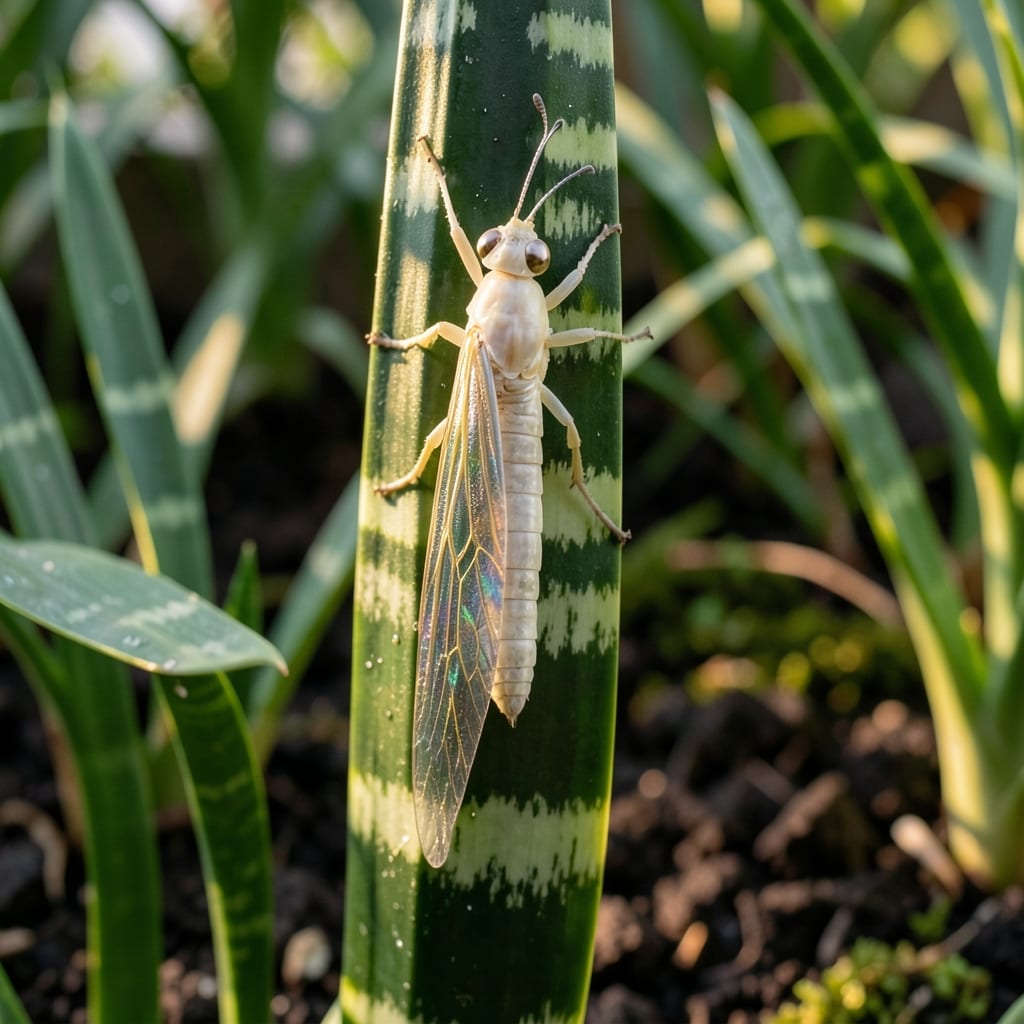
If you're wondering "how much light snake plant need" to stay happy and healthy, the answer might surprise you—this tough little 🌱 thrives in conditions most plants would struggle with.
Snake plants are famous for their resilience, but even they have preferences. Too little light, and those iconic upright leaves might stretch awkwardly. Too much direct sun, and you'll see crispy brown edges. The sweet spot? Bright, indirect light that mimics their natural African savanna habitat.
Here's the good news: you don't need to be a plant scientist to get this right. Whether your snake plant lives in a dim corner office or basking near a west-facing window, I'll show you exactly how to give it the perfect light balance—without overcomplicating things.
Let's debunk the myth that snake plants only survive in neglect. With the right lighting approach, you'll have a thriving, lush 🌱 that's the envy of every plant lover—and yes, it's easier than you think.

Snake plant light requirements: the exact hours of sun your plant needs to survive
If you're asking how much light snake plant need, the answer is simple: they're incredibly adaptable. But let's cut through the myths—your snake plant doesn't just "survive" in low light; it thrives when given the right balance. The key is understanding their natural habitat: African savannas where they experience bright, indirect sunlight with occasional shade.
Most snake plants do beautifully with 2-4 hours of bright indirect light daily. This could be a north-facing window or a well-lit room with artificial lighting. The good news? They can tolerate as little as 0-2 hours of light in dim offices, though growth may slow and leaves might stretch toward any available light source.
Here's where many gardeners go wrong: assuming "more light is always better." While snake plants can handle up to 6 hours of indirect light, direct afternoon sun—especially through south or west windows—will scorch those beautiful leaves. Think of it as a sunburn risk for your plant.
The magic happens when you mimic their natural environment. In the wild, snake plants grow under dappled sunlight from trees. You can recreate this by placing your plant 2-3 feet from a window or using sheer curtains to diffuse harsh rays. This balance prevents that dreaded "leggy" growth while keeping leaves vibrant.
🌱Pro Tip: Rotate your snake plant every 4-6 weeks to ensure even growth. Since they grow toward light sources, one side can become overdeveloped while the other stretches awkwardly. A simple quarter-turn keeps them balanced and bushy.
| Light Condition | Ideal Hours/Day | Growth Impact | Best For |
|---|---|---|---|
| Low Light (Dim Office) | 0-2 hours | Slow growth, leggy leaves | Bathrooms, hallways |
| Medium Light (Indirect) | 2-4 hours | Healthy, compact growth | Living rooms, offices |
| Bright Indirect (Filtered Sun) | 4-6 hours | Vibrant leaves, faster growth | East/west windows |
| Direct Sun (Risky) | 6+ hours | Brown tips, leaf scorch | South windows (afternoon) |
What's fascinating about snake plants is their photosynthetic flexibility. They can process light through both their leaves and stems, which is why they survive in neglect. However, this doesn't mean you should ignore their light needs entirely. When given optimal conditions, you'll notice darker green leaves with more pronounced variegation—especially in varieties like 'Moonshine' or 'Laurentii'.
For those with artificial lighting setups, LED grow lights with a 5000-6500K color temperature work wonders. Position them 6-12 inches above your plant and keep them on for 12-14 hours daily to mimic natural daylight cycles. This is perfect for north-facing rooms or basements where natural light is scarce.
🌿Science Note: Snake plants store water in their thick leaves, which helps them survive drought. But this adaptation doesn't replace proper light exposure. Think of light as their "food"—without enough, they'll draw on their reserves, leading to weaker growth over time. Even the toughest plants need their daily dose of sunlight to thrive long-term.
Let me address a common misconception: "Snake plants don't need light because they're so hardy." While it's true they tolerate low light better than most plants, they won't reach their full potential without adequate light. The difference between a struggling snake plant and a showstopper often comes down to just a few extra hours of bright, indirect light each day.
If you're still unsure about your space, here's a quick test: hold your hand near your plant. If you can't see your shadow clearly or the light feels diffused (like on an overcast day), you're likely in the ideal medium-light range. If your hand casts a sharp shadow, you might be dealing with too much direct light—time to move that plant back!
Snake plant light requirements: the exact hours of sun your plant needs to survive
Snake plants (Sansevieria) are often called the "mother-in-law's tongue" for their ability to survive neglect—but that doesn’t mean they don’t have light preferences. While they tolerate low-light conditions better than most plants, they still need the right balance to maintain their signature upright leaves and vibrant green color.
The ideal light range for snake plants falls between 2-4 hours of direct sunlight per day. However, they can adapt to bright indirect light for most of the day, especially in north-facing windows. Too much direct sun causes brown leaf tips, while too little light leads to stretched, leggy growth.
Here’s the light spectrum breakdown for snake plants: Low light (1-2 hours of indirect light): Survives but grows slowly. Medium light (2-4 hours of indirect light): Ideal for healthy growth. Bright indirect light (4+ hours of indirect light): Enhances leaf variegation. Direct sunlight (4+ hours of direct sun): Risk of sunburn.
| Light Condition | Hours of Light | Growth Impact | Best For |
|---|---|---|---|
| Low Light | 1-2 hours indirect | Slow growth, leggy leaves | Offices, north-facing rooms |
| Medium Light | 2-4 hours indirect | Healthy, compact growth | Living rooms, east/west windows |
| Bright Indirect | 4+ hours indirect | Vibrant leaves, faster growth | Bright spaces, grow lights |
| Direct Sun | 4+ hours direct | Brown tips, sunburn risk | Avoid in south-facing windows |
Snake plants are adaptable, but their natural habitat in African savannas means they prefer bright, filtered sunlight. In low light, they’ll stretch toward any available light source—a condition called etiolation—which weakens the plant. On the flip side, direct afternoon sun can scorch their leaves, especially in hot climates.
If you’re unsure about your home’s light conditions, start with a north-facing window or a spot 2-3 feet from an east or west window. Rotate your snake plant quarter-turn every 2-4 weeks to ensure even growth and prevent leaning. This simple step mimics natural light shifts and keeps your plant balanced.
Remember, snake plants are drought-tolerant, but their light needs are non-negotiable. Even in low light, they’ll survive—but they’ll never reach their full potential. Give them the right balance, and you’ll reward yourself with a low-maintenance, high-impact houseplant that purifies the air while looking stunning.