
How To
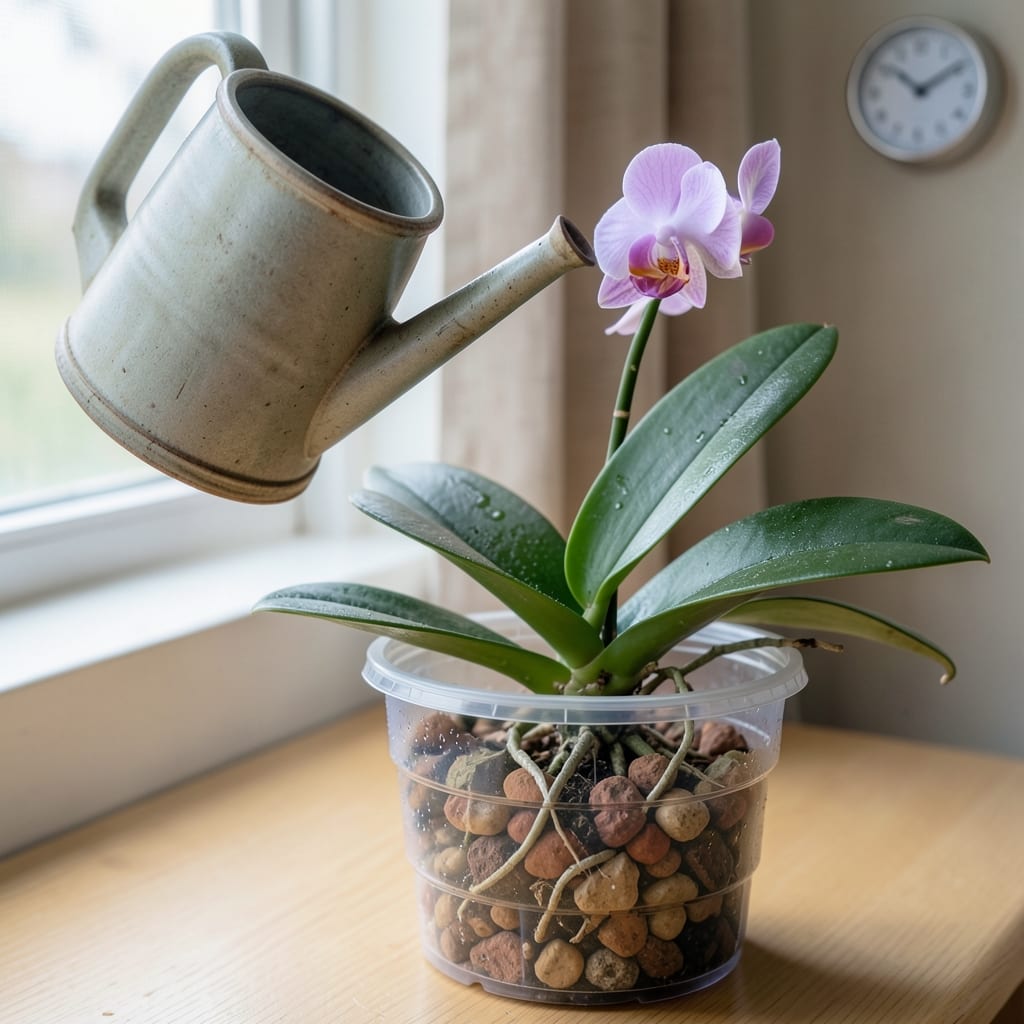
Mastering how often to water orchids in clay pebbles is the game-changer between vibrant blooms and sad, wilted leaves—especially when you're just starting out. These stunning 🌸 plants need a delicate balance, and clay pebbles change everything by speeding up drying time. Too much water, and you risk root rot; too little, and your orchid wilts faster than you can say "fertilizer."
Here’s the secret: a simple 3-day rule works wonders for most orchids in clay pebbles, but it’s not one-size-fits-all. Humidity, season, and even your home’s temperature play a role in how quickly those pebbles dry out. I’ll walk you through exactly how to tell when your orchid is thirsty (or drowning) and how to adjust without guessing.
Think your orchid’s watering needs are a mystery? They’re not. By the end of this guide, you’ll know the exact signs to watch for—like wrinkled leaves or roots that look like overcooked spaghetti—and how to fix them before it’s too late. No more second-guessing, just confident care that keeps your orchid thriving year-round.
Ready to ditch the guesswork? Let’s dive into the science behind the 3-day rule and why it’s the first step to orchid success—no green thumb required. Your 🌸 will thank you later.
The 3-Day watering rule for orchids in clay pebbles: what it means for root health
Clay pebbles are a game-changer for orchid care because they dry out faster than traditional potting mixes, which means your watering schedule needs a serious adjustment. The 3-day rule isn’t arbitrary—it’s based on how quickly these porous pebbles release moisture, keeping your orchid’s roots aerated and healthy. Unlike soil, clay pebbles don’t hold water between particles, so roots stay exposed to air, mimicking their natural epiphytic habitat.
Think of clay pebbles like a sponge with holes: they absorb water but drain it almost immediately. This rapid drying is why orchids in pebbles often need water every 3 days—but only if your home has average humidity (40-60%). If your air feels drier (like in winter with forced heat), you might stretch it to 4-5 days. The key is monitoring, not memorizing.
Here’s the science: orchid roots thrive in a semi-hydroponic state, where they get moisture without sitting in water. Clay pebbles create this ideal environment by allowing roots to breathe between waterings. When you water every 3 days, you’re giving roots just enough hydration to stay plump but not soggy—perfect for preventing root rot, the #1 killer of potted orchids.
But here’s the catch: the 3-day rule is just a starting point. Your orchid’s actual needs depend on three critical factors: humidity, temperature, and pot size. A small 4-inch pot dries out faster than a 6-inch one, and a humid bathroom will slow drying compared to a dry bedroom. That’s why I’ll show you how to adjust on the fly using simple visual cues.
Let’s break down what the 3-day rule really means for your orchid’s roots. Healthy roots should look silver-green when dry and turn bright green when hydrated. If they stay grayish or mushy, you’re overwatering. If they shrivel like raisins, it’s time to water sooner. The pebbles themselves are your best clue: when the top 1-2 inches feel dry to the touch, it’s watering time.
| Factor | What It Means | Adjustment |
|---|---|---|
| Humidity (Low) | Air feels dry (e.g., winter heating) | Water every 2-3 days |
| Humidity (High) | Air feels damp (e.g., bathroom, kitchen) | Water every 4-5 days |
| Temperature (Warm) | Above 75°F (e.g., summer) | Water every 2-3 days |
| Temperature (Cool) | Below 65°F (e.g., winter) | Water every 5-7 days |
| Pot Size (Small) | 4-inch or smaller | Water every 2-3 days |
| Pot Size (Large) | 6-inch or larger | Water every 4-5 days |
Your orchid’s pot weight is another secret weapon for nailing the watering schedule. Lift the pot before watering: if it feels light as a feather, it’s time to water. If it’s still heavy, wait another day. This trick works because clay pebbles hold very little water compared to soil—so the pot’s weight drops fast once the moisture evaporates.
Pro tip: use room-temperature water to avoid shocking the roots. Cold water can cause temperature stress, while lukewarm water mimics natural rainfall. Always water in the morning so excess moisture has time to evaporate before nightfall, reducing fungal risks. And here’s a non-negotiable: never let your orchid sit in standing water—even for a few minutes.
Seasonal shifts are where most growers trip up. In summer, your orchid might need water every 2 days because heat speeds up evaporation. In winter, stretch it to 5-7 days unless your home is toasty dry. Pay attention to your orchid’s leaves: if they start to pucker or wrinkle, it’s a cry for water. But if they feel squishy or yellow, you’re drowning the roots.
Remember, the 3-day rule is flexible—your orchid will tell you when it’s thirsty or overwatered. Start with this guideline, then trust your observations over a calendar. With practice, you’ll develop a sixth sense for when those pebbles are ready for another soak. Your orchid’s roots and blooms will thank you with vibrant color and
The 3-Day watering rule for orchids in clay pebbles: what it means for root health
Clay pebbles are a game-changer for orchid care because they dry out faster than traditional bark mixes. This means your watering schedule needs to shift from the usual "once a week" to a 3-day rule—but why? The secret lies in how clay pebbles wick away moisture while still allowing root respiration. Without this balance, your orchid’s roots can suffocate or shrivel up like raisins.
Think of clay pebbles as a sponge with holes. They hold just enough water to keep roots hydrated but release it quickly, preventing soggy conditions that breed root rot. The 3-day interval gives your orchid’s roots time to breathe and absorb what they need—no more, no less. For most orchids, this means watering every 3 days in summer and every 5-7 days in winter, but your home’s humidity levels can tweak that timeline.
Here’s the kicker: the 3-day rule isn’t set in stone. If your bathroom (high humidity) is home to your orchid, you might stretch it to 4-5 days. In a dry sunroom, you’ll water every 2 days. The key is observing your orchid’s roots—they’re the best barometer for when to water.
| Factor | Effect on Watering Schedule | Adjustment |
|---|---|---|
| Clay Pebble Size | Smaller pebbles dry faster | Water every 2-3 days |
| Humidity Level | High humidity = slower drying | Stretch to 4-5 days |
| Season | Summer heat speeds drying | Water every 2-3 days |
| Pot Material | Plastic holds moisture longer | Water every 3-4 days |
| Root Color | Silvery roots = thirsty | Water immediately |
Pro tip: Lift your orchid’s pot—if it feels light as a feather, it’s time to water. A heavy pot means the pebbles still have moisture, and forcing water now can drown the roots. This tactile check beats guessing and keeps your orchid’s roots happy and healthy. Over time, you’ll develop a sixth sense for when your orchid is thirsty.
Don’t ignore the roots’ appearance either. Healthy orchid roots should be green or silvery, not mushy or black (a red flag for rot). If you spot wrinkled leaves, it’s a cry for water; if they’re yellowing, you’re likely overwatering. The 3-day rule is your starting point, but your orchid’s unique signals will fine-tune the schedule.
Ready to put this into action? Grab your orchid, give those pebbles a sniff (yes, really—musty smells mean rot), and adjust your watering routine. Your orchid’s next bloom will thank you for it. 🌸