
Trees
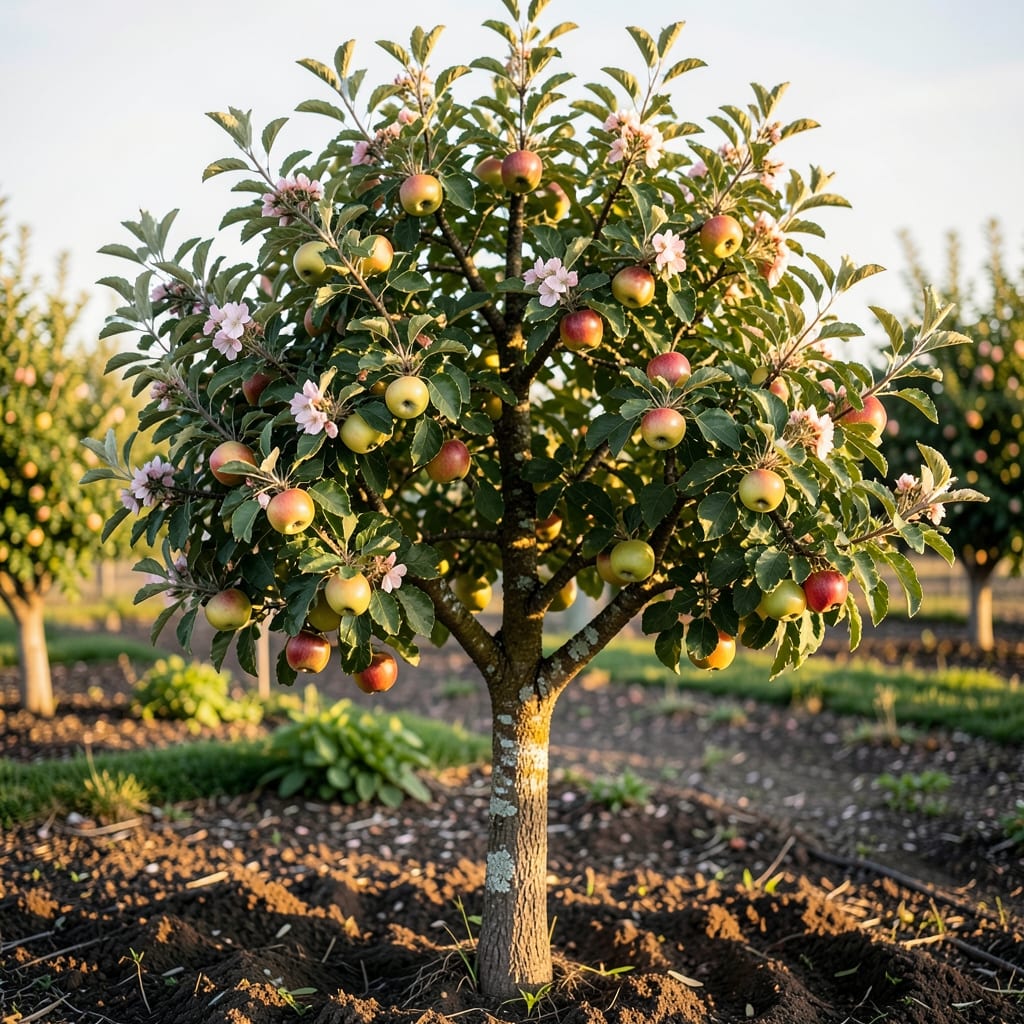
If you’ve ever dreamed of harvesting fresh 🍎 apple trees from your backyard but wondered how tall they’ll grow, the answer isn’t one-size-fits-all. Standard varieties can reach towering heights of 20-40 feet, while dwarf types stay compact at just 6-12 feet—making them perfect for small spaces. The difference comes down to genetics, care, and a little strategic planning.
For most gardeners, the biggest question is whether to choose a space-saving dwarf or a classic standard tree. Dwarf varieties mature in 3-5 years and produce fruit sooner, but they still need proper spacing and pruning to thrive. Meanwhile, standard trees take longer to bear fruit but offer that iconic orchard experience—if you have the room.
Beyond variety, factors like soil quality, pruning techniques, and even your local climate play a huge role in how tall your 🍎 apple tree grows. A well-maintained tree in ideal conditions can stay within its expected height range, while neglect or poor spacing might lead to overgrowth or stunted growth. The good news? With the right approach, you can guide your tree’s height to fit your space perfectly.
In this guide, I’ll break down the mature heights of different apple tree types, share spacing tips to prevent overcrowding, and reveal the secrets to keeping your tree healthy—no matter how tall you want it to be. Let’s get growing!

Apple tree height by variety: standard vs dwarf vs semi-dwarf sizes
When planning your orchard or backyard garden, choosing the right apple tree variety is key to controlling height and yield. Standard trees tower at 20-40 feet, perfect for large properties, while dwarf varieties stay under 12 feet—ideal for containers or small yards. The difference lies in their rootstock, which determines growth habit and fruit production timing.
For most home gardeners, semi-dwarf trees (12-16 feet) strike the best balance. They produce fruit faster than standard trees but don’t require the same space as their full-sized cousins. Whether you choose a dwarf, semi-dwarf, or standard variety, understanding these height ranges helps you plan spacing, pruning, and even harvest access.
Here’s how the three main categories compare in mature height and growth characteristics:
| Variety Type | Mature Height | Time to Fruit | Best For | Examples |
|---|---|---|---|---|
| Standard | 20–40 ft | 5–7 years | Large orchards, rural properties | Granny Smith, Fuji, Honeycrisp |
| Semi-Dwarf | 12–16 ft | 3–5 years | Backyards, small farms | Gala, Red Delicious, Jonathan |
| Dwarf | 6–12 ft | 2–3 years | Containers, patios, urban gardens | Columnar (e.g., 'Red River'), 'Patio' varieties |
Dwarf varieties like 'Patio' apples or columnar types are engineered to stay compact, making them perfect for container gardening. These trees often bear fruit in just 2-3 years, compared to 5-7 years for standard trees. However, their smaller size means they produce fewer apples per tree—so plant multiple if you want a steady harvest.
Semi-dwarf trees offer a happy medium, producing more fruit than dwarfs while staying manageable in size. They’re my top recommendation for home gardens with moderate space. For example, a Gala semi-dwarf will reach about 14 feet at maturity, making it easy to harvest without a ladder.
Standard trees, while impressive, require significant space and regular pruning to maintain health. Their tall canopies (20-40 ft) need room for airflow, reducing disease risk. If you love the idea of a classic orchard but lack space, consider espalier training to grow standard varieties flat against a fence or wall.
One common misconception is that dwarf trees stay small without effort. In reality, they still need proper pruning and support stakes to prevent top-heavy growth. Neglect can lead to leggy, weak branches that snap under fruit weight. I always recommend pruning dwarf trees annually to encourage a balanced shape and maximize fruit production.
For urban gardeners, columnar apple trees are a game-changer. These narrow, upright varieties grow only 8-12 feet tall but stay just 3-4 feet wide, fitting perfectly in small yards or even large pots. Varieties like 'Red River' or 'Sentinel' produce bushels of fruit despite their compact size.
When selecting a variety, also consider your climate zone. Some dwarf apples, like 'Liberty', are bred for disease resistance and thrive in humid regions, while others may struggle. Always check the USDA hardiness zone recommendations for your chosen variety to ensure long-term success.
🍎
How spacing affects apple tree growth and fruit production
Proper spacing is the secret to healthy apple tree growth and abundant fruit production. Planting trees too close together creates competition for sunlight, nutrients, and water, while giving them too much room can lead to weak branch structures. The right spacing ensures strong root systems, better air circulation, and easier maintenance—like pruning and harvesting.
For standard apple trees (18-25 ft tall), aim for 20-25 feet between trees in a row and 25-30 feet between rows. This gives roots enough space to spread and prevents overcrowding. Semi-dwarf varieties (12-16 ft) need 12-15 feet apart, while dwarf trees (6-12 ft) can be spaced just 8-10 feet apart.
Root spread is just as critical as above-ground spacing. Apple tree roots can extend 2-3 times the tree’s height outward, so planting too close to fences, buildings, or other trees stresses the roots. Always dig a hole twice as wide as the root ball to encourage outward growth.
| Tree Type | Mature Height | Spacing (ft) | Root Spread | Sunlight Needs |
|---|---|---|---|---|
| Standard | 18-25 ft | 20-25 ft | 40-50 ft | Full sun (6+ hrs) |
| Semi-Dwarf | 12-16 ft | 12-15 ft | 25-30 ft | Full sun (6+ hrs) |
| Dwarf | 6-12 ft | 8-10 ft | 15-20 ft | Full sun (6+ hrs) |
Poor spacing leads to disease risks like powdery mildew and fire blight, which thrive in crowded, humid conditions. Proper airflow also reduces pest pressure, so you’ll spend less time battling aphids or codling moths. For container-grown dwarf trees, ensure the pot is at least 18 inches in diameter and use well-draining soil to mimic outdoor spacing.
If you’re planting multiple trees, consider cross-pollination needs. Many apple varieties require a second tree within 50 feet for fruit production. For example, ‘Honeycrisp’ needs a pollinator like ‘Golden Delicious’ to set fruit. Always check the variety’s requirements before planting.
Finally, plan for future growth. A 6-foot dwarf tree today can easily reach 10 feet with proper care, so leave extra space if you want to avoid pruning headaches later. With the right spacing, your apple trees will thrive—and so will your harvest! 🍏