
Size
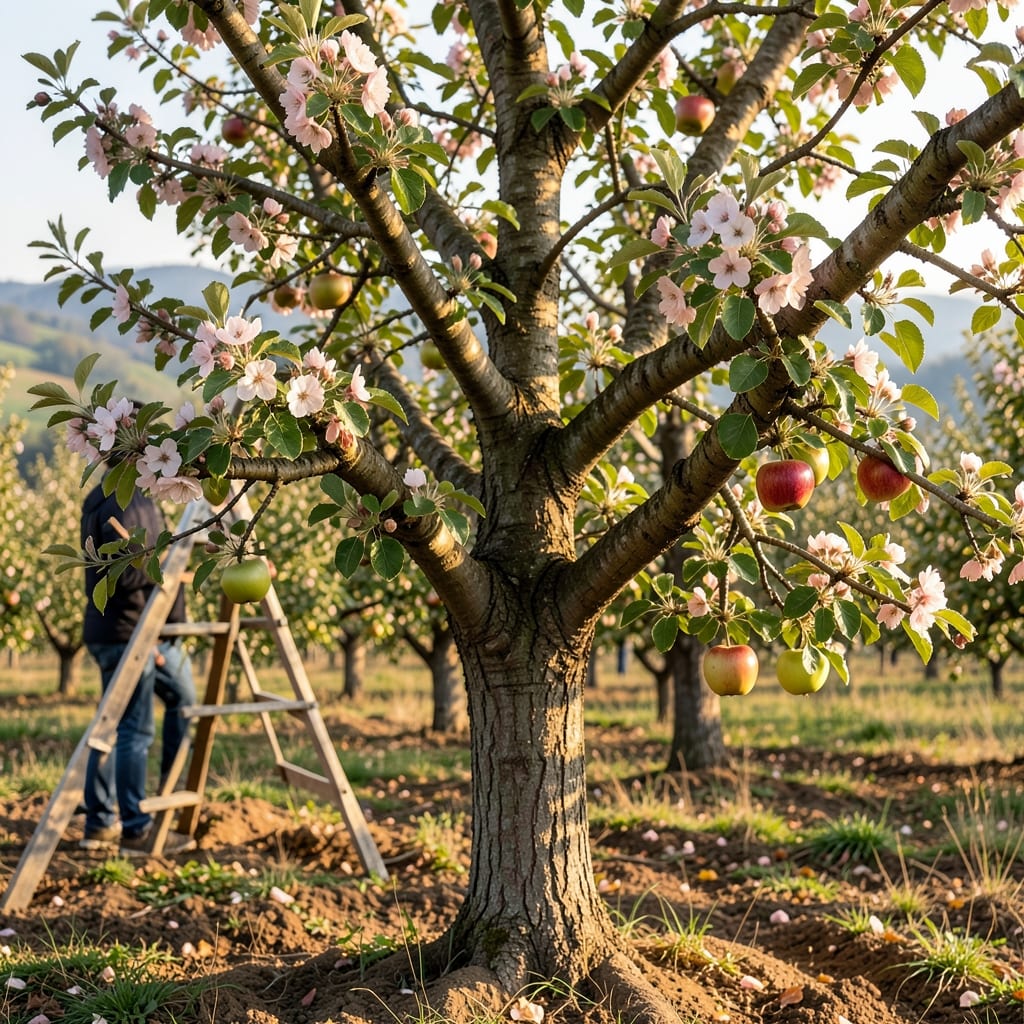
If you’ve ever dreamed of growing your own 🍎 but worried about running out of backyard space, knowing how tall can apple trees grow is your first step to smart planning. Some varieties stretch toward the sky like natural skyscrapers—reaching 25 feet or more—while others stay compact enough for even small gardens.
But here’s the twist: the height of your apple tree isn’t set in stone. Rootstock choices, pruning habits, and climate all play a role in whether your tree becomes a towering giant or a manageable backyard staple. I’ll break down the differences between dwarf, semi-dwarf, and standard varieties so you can pick the perfect fit for your space.
Whether you’re envisioning a cozy orchard or just a single tree for fresh fruit, understanding these growth patterns is the key to avoiding headaches later. Let’s explore how to control height, maximize fruit production, and keep your 🍎 happy—no matter how much (or little) room you’ve got.
From the tiniest backyard plots to sprawling homesteads, the right apple tree can thrive—and with a few simple tricks, you’ll discover how to shape its future before it even takes root. Ready to grow smarter?

Apple tree height variations by common varieties: from dwarf to giant
When planning your orchard, the first question is always: how tall can apple trees grow? The answer depends entirely on the variety you choose—and the rootstock it’s grafted onto. Dwarf varieties like ‘Columnar’ or ‘Patio’ apples stay under 8 feet tall, making them perfect for containers or small backyards. Meanwhile, standard varieties like ‘Granny Smith’ or ‘Fuji’ can reach 20-30 feet if left unchecked, turning your yard into a towering fruit forest.
Most nurseries sell apple trees labeled by their mature height category: dwarf, semi-dwarf, or standard. These labels reflect the rootstock’s influence, not just the scion (fruit-producing) variety. For example, a ‘Honeycrisp’ apple grafted onto a dwarfing rootstock will stay small, while the same scion on a vigorous rootstock will grow tall. Understanding this distinction is critical for space planning.
Here’s a quick breakdown of what to expect from each category, so you can visualize how your tree will fit into your landscape. Whether you’re working with a tiny urban plot or a sprawling rural property, choosing the right height will save you from future pruning headaches—and maybe even neighborly complaints about overhanging branches.
| Variety Type | Mature Height | Best For | Examples |
|---|---|---|---|
| Dwarf | 8–12 ft | Containers, small yards, urban gardens | ‘Liberty,’ ‘Columnar,’ ‘Patio’ |
| Semi-Dwarf | 12–18 ft | Backyards, small orchards, easy harvesting | ‘Gala,’ ‘Red Delicious,’ ‘Jonagold’ |
| Standard | 20–30 ft | Large properties, traditional orchards | ‘Granny Smith,’ ‘Fuji,’ ‘Pink Lady’ |
| Giant (Uncommon) | 30–40+ ft | Specialty growers, historical varieties | ‘Ashmead’s Kernel,’ ‘Reine des Reinettes’ |
Note: Heights can vary by 20% based on growing conditions and pruning.
If you’re torn between a dwarf and semi-dwarf, consider your fruit accessibility. Dwarf trees produce fruit at chest height, making harvesting a breeze—ideal for kids or those with mobility challenges. Semi-dwarf trees strike a balance, offering more fruit per tree while still staying manageable. For example, a ‘Gala’ semi-dwarf might yield 50-100 lbs of apples annually, while a standard ‘Fuji’ could produce 200+ lbs but require a ladder.
Pro tip: If you love the idea of a tall apple tree but lack the space, look for espalier-trained varieties. These trees grow flat against a fence or wall, staying under 10 feet tall while producing just as much fruit. It’s like having a mini orchard in a postage-stamp garden!
One common mistake? Assuming all ‘dwarf’ apples are the same. Some, like ‘Columnar’ apples, grow in narrow, vertical columns, while others spread wider. Always check the growth habit (spreading vs. upright) when selecting your tree. A spreading variety might need 10 feet of clearance, even if it’s labeled as dwarf.
For those with limited space but big dreams, dwarf varieties are a game-changer. They fruit earlier—often within 2-3 years—compared to standard trees, which can take 5-7 years to bear fruit. That means faster rewards for your gardening efforts. Plus, their compact size makes them easier to protect from pests and manage in containers.
If you’re planning a backyard orchard, mix heights for visual interest and efficiency. Place a tall standard tree at the back of your property as a focal point, flank it with semi-dwarf pollinators, and tuck dwarf varieties near walkways or patios. This layered approach creates a lush, productive landscape without overwhelming your space.
Remember: the rootstock determines the base height, but your pruning habits will fine-tune the final result. A semi-dwarf tree left unpruned might reach 20 feet, but with regular heading cuts, you can keep it under 12 feet. We’ll dive deeper into pruning strategies in the next section—stay tuned!
🌳
Apple tree height variations by common varieties: from dwarf to giant
Choosing the right apple tree variety isn’t just about taste—it’s about space planning. A standard apple tree can easily reach 20-30 feet tall, while a dwarf variety stays under 8 feet. The difference? Rootstock—the underground part of the tree that determines its growth habit.
For small gardens, dwarf apple trees (like ‘Columnar’ or ‘Spindle’ types) are game-changers. They produce full-sized fruit but stay compact, making them perfect for containers or tight spaces. Meanwhile, semi-dwarf trees (12-18 feet tall) offer a middle ground, ideal for suburban yards.
Here’s the kicker: even standard apple trees can be pruned to stay smaller, but they’ll naturally grow tall if unchecked. If you’re dreaming of a backyard orchard, consider spacing trees 20-30 feet apart to avoid future shading battles.
| Variety Type | Mature Height | Best For | Popular Cultivars |
|---|---|---|---|
| Dwarf | 6–12 ft | Small gardens, containers | ‘Liberty,’ ‘Red Delicious,’ ‘Fuji’ |
| Semi-Dwarf | 12–18 ft | Suburban yards, easy harvesting | ‘Gala,’ ‘Granny Smith,’ ‘Honeycrisp’ |
| Standard | 20–30+ ft | Large properties, orchards | ‘Golden Delicious,’ ‘Jonathan,’ ‘McIntosh’ |
| Columnar | 8–12 ft (narrow) | Urban spaces, vertical gardening | ‘Urban Apple,’ ‘BelStar’ |
If you’re torn between varieties, think about fruit accessibility and long-term maintenance. Dwarf trees need less pruning but may require staking to support their weight. Standard trees offer lower long-term costs (fewer replacements) but demand more space and pruning effort.
Pro tip: Pollination partners matter! Some dwarf varieties (like ‘Liberty’) are self-pollinating, while others need a second tree within 50 feet for fruit set. Always check the label or ask your nursery for guidance.
For urban gardeners, columnar varieties are a lifesaver—they grow narrow and tall (like a tree-shaped bush) and fit perfectly in small spaces. Just ensure they get full sun and well-draining soil to thrive.