
Plants
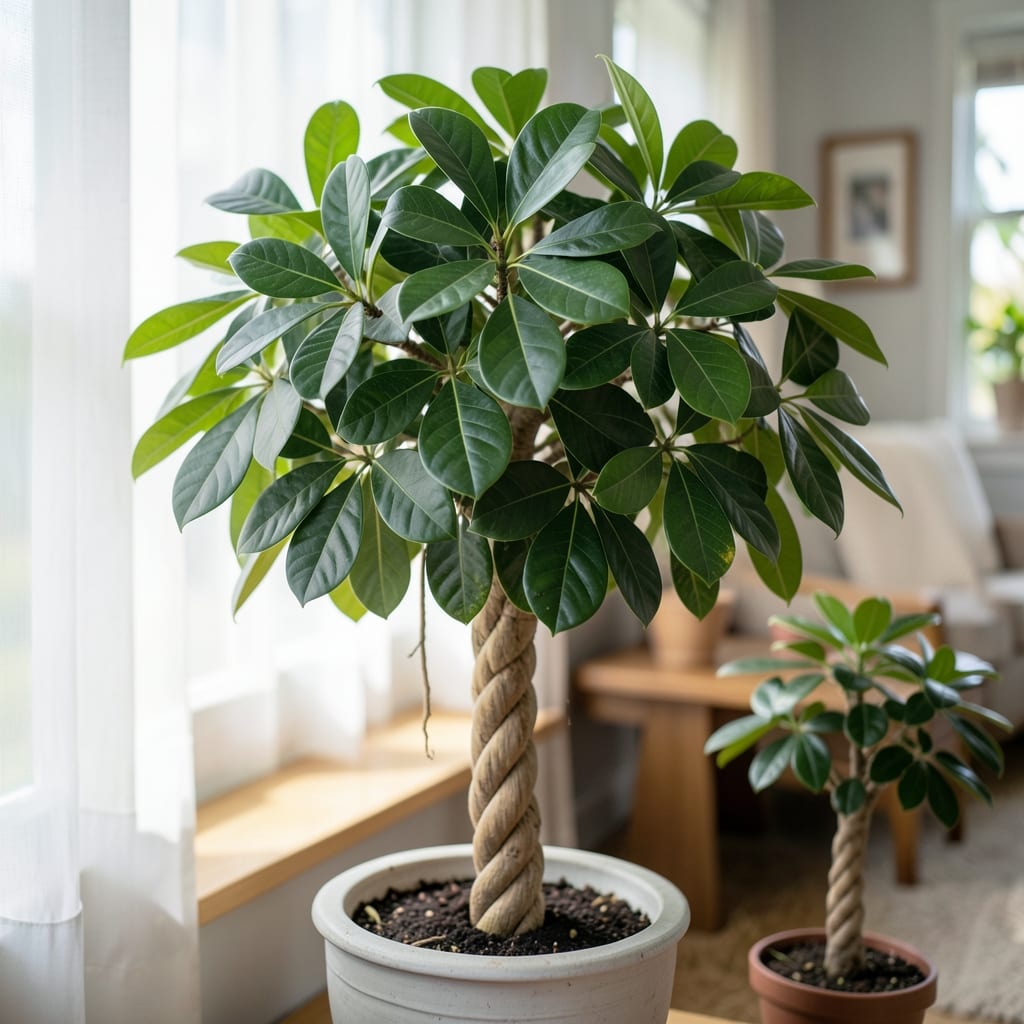
Wondering how tall can money trees grow before they turn your living room into a jungle? These tropical beauties—like the beloved 🌿 Pachira aquatica—can stretch up to 10 feet indoors if you let them, but don’t panic. With smart pruning and a few care tweaks, you can keep your money tree at a manageable height while still enjoying its lush, lucky vibes.
The key lies in understanding your money tree’s natural growth habits. Some varieties stay compact, while others reach for the ceiling—unless you guide them. Whether you’re dealing with a braided trunk** or a bushier form, learning when and how to trim makes all the difference. I’ll show you exactly how to control its height without sacrificing those vibrant leaves.
Many plant parents assume taller means healthier, but that’s not always true. Overgrown money trees can become top-heavy, unstable, or even struggle to thrive. The good news? A little strategic pruning can encourage fuller growth while capping height at 3–6 feet, perfect for most homes. Let’s dive into the secrets of keeping your money tree both happy and well-behaved.
From choosing the right variety to mastering pruning techniques, you’ll discover how to shape your money tree into the ideal size for your space. No more ceiling collisions—just a thriving plant that brings good fortune (and great aesthetics) to your home. Ready to take control?


Money tree growth height by variety: what to expect indoors
Your money tree’s ultimate height depends heavily on its variety and growing conditions. The classic Pachira aquatica (the true money tree) can reach 6–10 feet indoors if given free rein, while its cousin, Pachira glabra, tends to stay slightly shorter at 4–8 feet. The key difference? Pachira glabra often grows bushier from the start, making it a better choice for compact spaces.
But here’s the twist: braided stems (the trendy, multi-trunk look) don’t actually affect height—they’re just a pruning technique. A braided money tree can still grow just as tall as a single-stemmed one unless you actively control it. Think of braiding as a decorative styling choice, not a growth limiter.
Environmental factors play a huge role too. A money tree in a large pot with plenty of sunlight will stretch taller faster than one crammed in a small container. Meanwhile, humidity levels and temperature consistency can slow or speed up growth—dry air or cold drafts might stunt it, while warm, moist conditions encourage rapid vertical expansion.
🌱
| Variety | Mature Height (Indoors) | Growth Rate | Best For |
|---|---|---|---|
| Pachira aquatica (Standard) | 6–10 ft | Moderate-Fast | Spacious homes, statement plants |
| Pachira glabra (Dwarf) | 3–6 ft | Slow-Moderate | Small spaces, apartments |
| Braided Pachira aquatica | 6–10 ft (same as standard) | Moderate-Fast | Decorative displays, pruned regularly |
| Pachira ‘Money Tree’ (Hybrid) | 4–8 ft | Moderate | Balconies, medium-sized rooms |
If you’re eyeing a dwarf variety, look for Pachira glabra or hybrid selections labeled as "compact." These stay under 6 feet even with minimal pruning, making them ideal for apartment living or office decor. The trade-off? They may grow slightly slower and produce fewer leaves than their taller counterparts.
Light exposure is another game-changer. A money tree craving bright indirect light will stretch toward windows, creating leggy growth—a classic sign it’s reaching for more sunlight. To prevent this, rotate your plant every few weeks so all sides get equal light, or supplement with a grow light if natural light is limited.
Pot size matters too. A money tree in a too-small container will grow roots faster than leaves, leading to stunted vertical growth. Upgrade to a pot 2–3 inches larger in diameter every 2–3 years to encourage healthy height development. Just avoid oversizing—too much soil can cause root rot and slow growth entirely.
🌿
Pro tip: Pay attention to your money tree’s leaf color. Dark green, glossy leaves mean it’s thriving and likely growing at its expected rate. Yellowing or drooping leaves? That’s a sign of overwatering or poor drainage, which can indirectly limit its height by stressing the plant.
For the most predictable height control, start with a dwarf variety and pair it with regular pruning. Even standard money trees can be kept under 6 feet with consistent trimming—more on that in the next section! The goal is to balance your plant’s natural growth with your space’s needs, so you get the best of both worlds: luck, beauty, and manageable size.
Pruning money trees for height control: step-by-step guide
Pruning isn’t just about trimming back overgrowth—it’s the secret weapon for keeping your money tree (Pachira aquatica) at your ideal height while encouraging fuller, bushier growth. The right cuts can transform a leggy, top-heavy plant into a compact, balanced beauty that thrives without reaching for the ceiling. I’ve pruned my own money tree for years, and these steps will help you avoid common mistakes that lead to unruly growth.
Start by identifying the right time to prune. The best moments are spring and early summer, when your money tree is actively growing. This timing ensures new growth will fill in any gaps you create, keeping your plant lush and dense. Avoid pruning in fall or winter, as your plant needs all its energy to survive dormancy. If you notice leggy stems reaching upward, that’s your cue to act—don’t wait until they’re touching the light fixture!
Before you grab your shears, gather the right tools. You’ll need sharp pruning shears for clean cuts, rubbing alcohol to sterilize them, and a small pot of well-draining soil for any cuttings you want to propagate. Pro tip: Always sterilize your tools to prevent spreading disease. I like to wipe them down with rubbing alcohol before and after each use—it’s a small step that makes a big difference in plant health.
Step-by-Step Pruning Guide for Height Control
- Step 1: Pinch Back New Growth
Use your fingers or clean shears to pinch off the tips of new shoots when they’re about 3-4 inches tall. This encourages branching, creating a fuller plant instead of one long stem. - Step 2: Trim Leggy Stems
Cut back any stems that are growing taller than your desired height. Aim to trim just above a leaf node (where leaves grow) to promote new growth from that spot. - Step 3: Shape for Balance
Remove any stems that are growing toward the center of the plant or crossing over others. This improves airflow and light penetration, keeping your money tree healthy. - Step 4: Prune for Structure
If your money tree has a braided trunk, avoid cutting into the braids. Instead, focus on trimming the foliage to maintain the braids’ integrity while controlling height. - Step 5: Propagate Cuttings (Optional)
Place trimmings in water to root, giving you free mini money trees! Just keep them in bright, indirect light until roots form.
After pruning, your money tree might look a little sparse, but don’t worry—it’ll bounce back with new growth in 4-6 weeks. To speed up recovery, place your plant in a spot with bright, indirect light and keep the soil lightly moist. Avoid fertilizing immediately after pruning, as the plant needs time to adjust. Once new growth appears, you can resume your regular feeding schedule to support its recovery.
One of the biggest mistakes I see is pruning too aggressively all at once. Instead, take it slow—remove no more than 1/3 of the foliage in a single session. This prevents shock and gives your money tree time to adapt. If you’re unsure how much to trim, start small and observe how your plant responds. Over time, you’ll develop an eye for what works best for your specific variety.
With consistent pruning, you can keep your money tree at a manageable 3–6 feet tall, perfect for most indoor spaces. The key is patience and regular maintenance—think of it like giving your plant a haircut every few months. Soon, you’ll have a thriving, well-shaped money tree that brings both luck and beauty to your home without taking over your ceiling fan. Happy pruning! 🪴