
Size
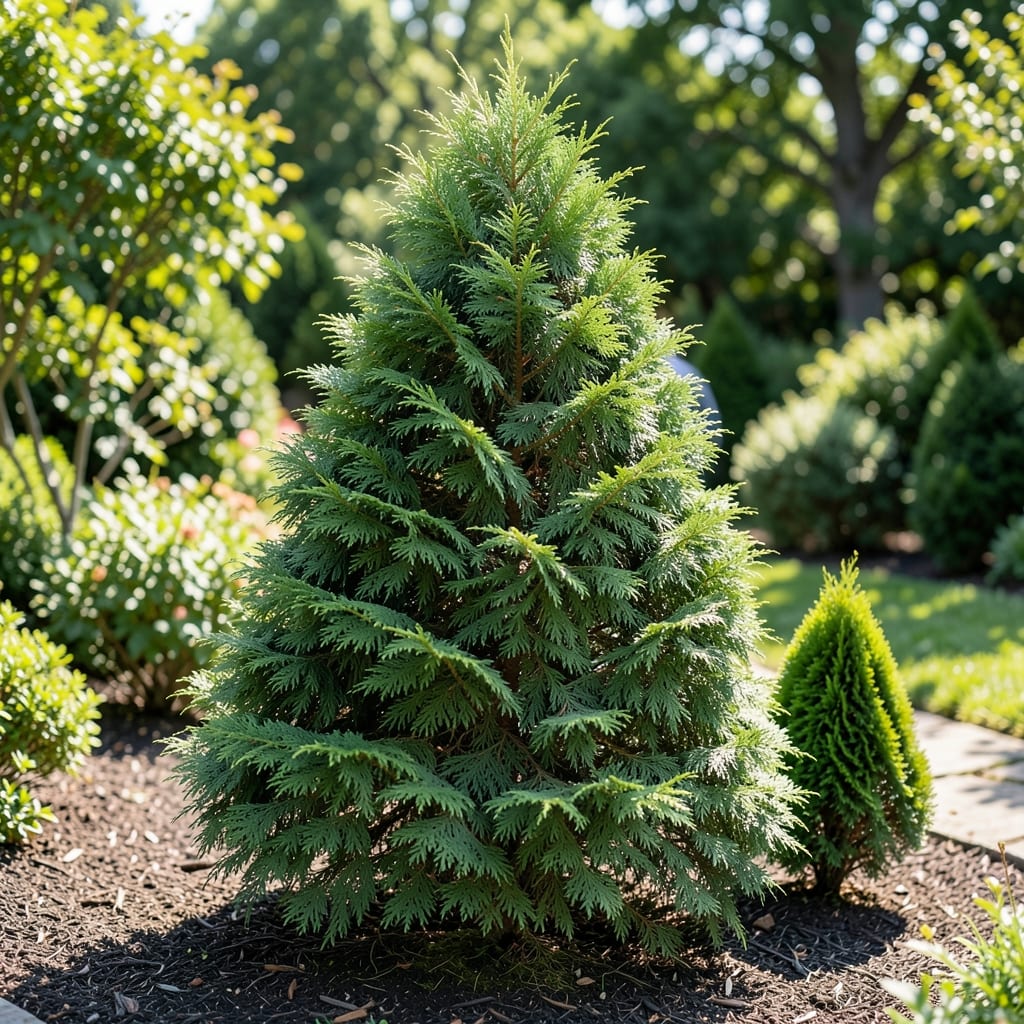
If you're dreaming of a lush, green privacy screen or a striking focal point in your yard, knowing how tall arborvitae grow is the first step to planning your perfect 🌲 landscape. These evergreen trees offer a stunning vertical presence, but their mature height can vary dramatically—from compact shrubs to towering giants that reach for the sky.
Picture this: a Green Giant arborvitae stretching toward 60 feet or a dwarf variety staying neatly trimmed at just 3 feet. The difference isn’t just in their height—it’s in how they shape your outdoor space, whether you need a cozy hedge or a dramatic backyard statement.
In this guide, I’ll break down the fastest-growing types, how quickly they climb (yes, some add 2 feet per year!), and the secrets to controlling their height naturally. Whether you’re working with Zone 6a’s climate or just love the versatility of arborvitae, you’ll find the perfect fit for your vision.
Ready to turn your backyard into a verdant masterpiece? Let’s dive into the heights, growth rates, and care tips that will help you choose—and shape—the arborvitae of your dreams.

Arborvitae height by variety: from dwarf to giant skyward reach
Choosing the right arborvitae variety is like picking the perfect building block for your landscape—each one offers a unique height profile that shapes your outdoor vision. From dwarf varieties that fit cozy corners to towering giants that create dramatic focal points, the possibilities are endless.
Let’s explore the mature height ranges of arborvitae, categorized into three distinct groups: dwarf (3-8 ft), medium (10-20 ft), and towering (30-60 ft). Each variety brings its own charm, whether you're aiming for a privacy screen, a windbreak, or a backyard statement piece.
The key to selecting the right arborvitae lies in understanding how each variety grows—both in height and width. For example, a Green Giant arborvitae can reach 60 feet and 15 feet wide, while a Dwarf Emerald arborvitae stays compact at just 3 feet tall and 3 feet wide. This variety-driven approach ensures your landscape remains balanced and functional.
Here’s a quick snapshot of how these varieties compare in terms of mature height, growth rate, and ideal planting scenarios. This will help you visualize which arborvitae fits best in your space.
| Variety | Mature Height | Growth Rate | Ideal Use |
|---|---|---|---|
| Dwarf Emerald | 3-4 ft | 6-12 in/year | Foundation plant, small hedges |
| Compacta | 5-8 ft | 8-12 in/year | Borders, containers, small yards |
| Emerald Green | 12-15 ft | 12-18 in/year | Privacy screens, hedges |
| American Arborvitae | 30-40 ft | 12-24 in/year | Windbreaks, large landscapes |
| Green Giant | 40-60 ft | 24-36 in/year | Tall privacy screens, focal points |
If you’re working with limited space, dwarf varieties like Dwarf Emerald or Compacta are perfect for adding greenery without overwhelming your yard. These varieties grow slowly, making them ideal for containers or small foundation plantings.
For medium-sized yards, Emerald Green arborvitae strikes the perfect balance. It grows 12-15 feet tall and 4-6 feet wide, making it an excellent choice for privacy screens or hedges. Its moderate growth rate means you won’t have to prune it as frequently, but it still delivers a lush, evergreen look year-round.
If you’re dreaming of a towering evergreen that commands attention, Green Giant arborvitae is the star of the show. This variety can reach 60 feet tall and 15 feet wide, making it a powerhouse for large landscapes or windbreaks. However, its rapid growth means you’ll need to plan for its mature size from the start.
For those who love the natural beauty of wild-type arborvitae, the American Arborvitae is a fantastic option. It grows 30-40 feet tall and thrives in wildlife-friendly landscapes. Its slower growth rate compared to Green Giant makes it easier to manage over time, while still offering a striking vertical presence.
No matter which variety you choose, planting arborvitae with adequate spacing is crucial. A Green Giant needs at least 15 feet of space between it and other plants or structures, while a Dwarf Emerald can be planted just 3 feet apart for a dense hedge. Always check the spacing recommendations for your specific variety to ensure healthy growth.
Ready to transform your outdoor space with the perfect arborvitae? The next step is understanding how quickly these varieties grow—and how to manage their height naturally. Let’s dive into the fastest-growing types and how to keep them in check!
Fastest-growing arborvitae types: how quickly they climb the height charts
If you’re eager to see your arborvitae reach its full potential fast, some varieties grow at an impressive pace—adding 2 to 3 feet per year under ideal conditions. The Green Giant arborvitae leads the pack, shooting up 3 feet annually in its early years, making it a favorite for quick privacy screens. Meanwhile, the Emerald Green grows slightly slower but still hits 1 to 2 feet per year, perfect for structured hedges.
Climate plays a huge role in growth speed. In Zone 6a, where winters are cold but summers are warm, arborvitae thrive with 6+ hours of sunlight daily. A south-facing location can boost growth by up to 20%**, while partial shade may slow it down. Well-draining, slightly acidic soil (pH 6.0-7.0) also fuels faster vertical expansion.
Here’s how some top performers stack up in growth speed, ranked from fastest to slowest:
Proper watering and fertilizing can push these numbers even higher. For example, applying a balanced 10-10-10 fertilizer in early spring gives your arborvitae a growth boost, while deep watering (1-2 gallons per tree) keeps roots hydrated for rapid expansion. Just avoid overwatering—soggy soil stunts growth and invites root rot.
If you’re planting near a fence or wall, the Green Giant will create a dense privacy barrier in just 5-7 years. For smaller spaces, the Emerald Green offers a balanced growth rate while staying manageable with regular pruning. And if you love the look of a compact evergreen, the Dwarf Blue Star grows slowly but stays vibrant year-round.
Ready to watch your arborvitae reach new heights? Start with the right variety, give it the care it craves, and soon you’ll have a lush, towering centerpiece that’s the envy of the neighborhood. Just remember—patience pays off, especially with slower growers like the American Plum, which may take a decade to reach its full 40-foot potential.