
Trees
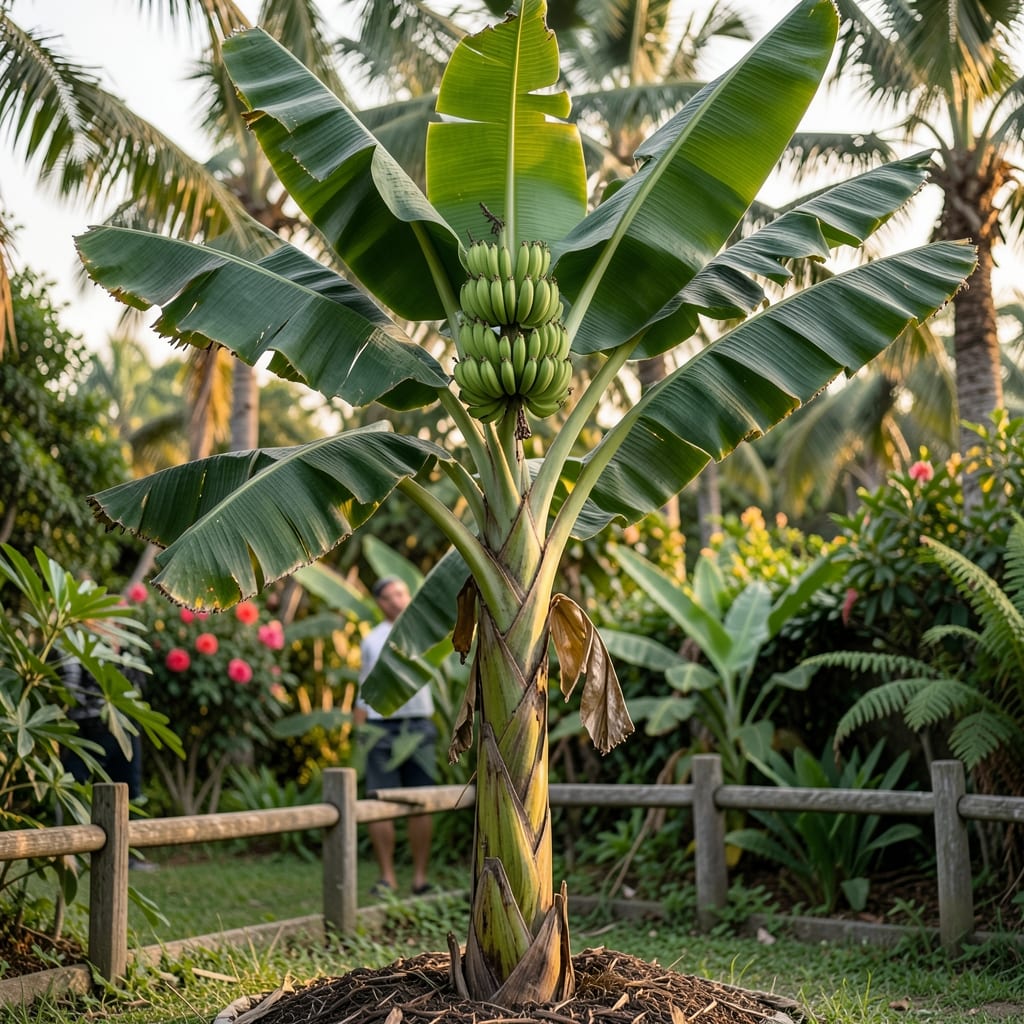
If you’ve ever wondered how tall banana trees grow, you’re not alone—this tropical giant can reach heights that surprise even seasoned gardeners. Whether you’re dreaming of a backyard harvest or experimenting with container gardening, understanding your banana tree’s growth potential is the first step to success.
The 🍌 banana tree isn’t just one size fits all—some varieties stretch toward the sky like skyscrapers, while others stay compact enough for urban patios. In USDA Zone 6a, where frost is a factor, timing your spring planting (April–May) and choosing the right variety can mean the difference between a towering giant and a manageable dwarf. Let’s break down what to expect and how to maximize your plant’s potential.
From dwarf varieties that top out at 6–10 feet to standard types soaring past 20 feet, the height of your banana tree depends on its genetics, care, and climate. In temperate zones, late summer and fall are prime harvest windows, but with the right techniques, you can even grow bananas in containers—no sprawling yard required.
Ready to transform your space into a banana oasis? I’ll show you how to pick the perfect variety, optimize growth, and work with your tree’s natural height—whether you’re aiming for a 30-foot tropical giant or a space-saving 6-foot balcony buddy. Let’s get growing!


Banana tree height by variety: complete growth chart for common types
Banana trees aren’t one-size-fits-all—their mature heights can vary dramatically from 6 feet to over 30 feet, depending on the variety. In USDA Zone 6a, where frost is a concern, choosing the right type is crucial for both space and productivity. I’ve grown Dwarf Cavendish in containers and watched Red Dacca reach my roof—each with unique care needs and growth timelines.
The key to maximizing your harvest starts with variety selection. Taller types like Ice Cream bananas (up to 25 feet) produce larger fruit bunches but require more space, while Lady Finger bananas (typically 10–15 feet) are perfect for smaller gardens. Let’s explore the most popular varieties and what to expect from each.
| Variety | Mature Height | Growth Rate | Climate Needs | Harvest Time |
|---|---|---|---|---|
| Dwarf Cavendish | 6–10 ft | Fast (10–12 months) | Tropical/Subtropical | Late summer–fall |
| Lady Finger (Plantain) | 10–15 ft | Moderate (12–18 months) | Warm climates | Year-round (tropical) |
| Red Dacca | 15–20 ft | Slow (18–24 months) | Frost-free zones | Late summer |
| Ice Cream Banana | 20–25 ft | Very slow (2+ years) | Tropical | Fall–winter |
| Bluggoe | 12–18 ft | Moderate (12–15 months) | Subtropical | Summer–fall |
If you’re growing bananas in Zone 6a, the Dwarf Cavendish is my top recommendation for beginners—it matures quickly and fits well in 5-gallon containers. However, if you’re aiming for a dramatic tropical look, the Red Dacca or Ice Cream banana will reward you with giant fruit bunches but need more space and protection from frost.
All banana trees follow a similar growth pattern: a 1–2 foot sprout emerges in spring, followed by rapid leaf production. By year two, you’ll see the pseudostem (the "trunk") thicken, and by year three, flowering and fruiting begin. Taller varieties like Ice Cream bananas take 2+ years to reach maturity, while dwarf types may fruit in as little as 10–12 months.
One common misconception is that taller banana trees always produce more fruit. While it’s true that 20+ foot varieties often yield larger bunches, dwarf types can produce multiple harvests per year if cared for properly. In my garden, a 10-foot Lady Finger banana gave me three harvests in 18 months—far more than a single harvest from a towering Red Dacca.
For urban gardeners, the height of your banana tree directly impacts where you plant it. A 6-foot Dwarf Cavendish thrives on a balcony, while a 20-foot Ice Cream banana needs a south-facing yard with 6+ hours of sun. If you’re in a frost-prone area, container growing is a game-changer—you can move potted trees indoors or to a garage before the first frost hits.
Pro tip: Monitor your tree’s leaf color. Healthy leaves should be a vibrant green. Yellowing at the base signals nutrient deficiency (time to feed with 10-10-10 fertilizer), while brown tips often mean underwatering. In my experience, deep watering every 3–5 days keeps even the tallest varieties thriving.
Ready to
5 Space-saving techniques to grow bananas in small yards or containers
If you love bananas but think you need a sprawling backyard to grow them, think again! With the right space-saving techniques, you can enjoy homegrown 🍌 bananas even in tight urban spaces. The key lies in choosing dwarf varieties, strategic pruning, and creative container solutions. I’ve grown bananas in 5-gallon pots on my balcony—here’s how you can too.
First, let’s tackle the biggest challenge: height control. Most banana trees reach 15–30 feet in ideal conditions, but dwarf varieties like Dwarf Cavendish stay between 6–10 feet. Even these can be pruned aggressively to keep them under 5 feet if needed. The secret? Prune 1/3 of the pseudostem (the tree trunk) every 6–12 months to encourage bushier growth and shorter stature.
Select Dwarf Cavendish (6–10 ft) or Lady Finger (8–12 ft) for compact growth. These produce fruit faster and handle containers better than giant types.
Trim 1/3 of the pseudostem annually to redirect energy to lateral shoots. This keeps the tree shorter and produces more fruit clusters at harvestable heights.
Aim for 15–25 gallon pots with drainage holes. Banana trees have shallow roots but need deep soil—add 6 inches of compost to the bottom for root expansion.
Install a trellis or bamboo stake to guide the main stem upward. This saves space and makes harvesting easier—just tie the pseudostem gently with soft ties every 2–3 feet.
Pick bunches before they fully ripen (when 50% yellow) to prevent the tree from over-extending. Unripe bananas ripen indoors in 3–5 days with ethylene exposure.
Don’t let limited space stop you from growing bananas! With these 5 techniques, you can enjoy fresh fruit without sacrificing your patio or balcony. Just remember: dwarf varieties, regular pruning, and large containers are your best friends for urban banana gardening. Happy growing!