
Plants
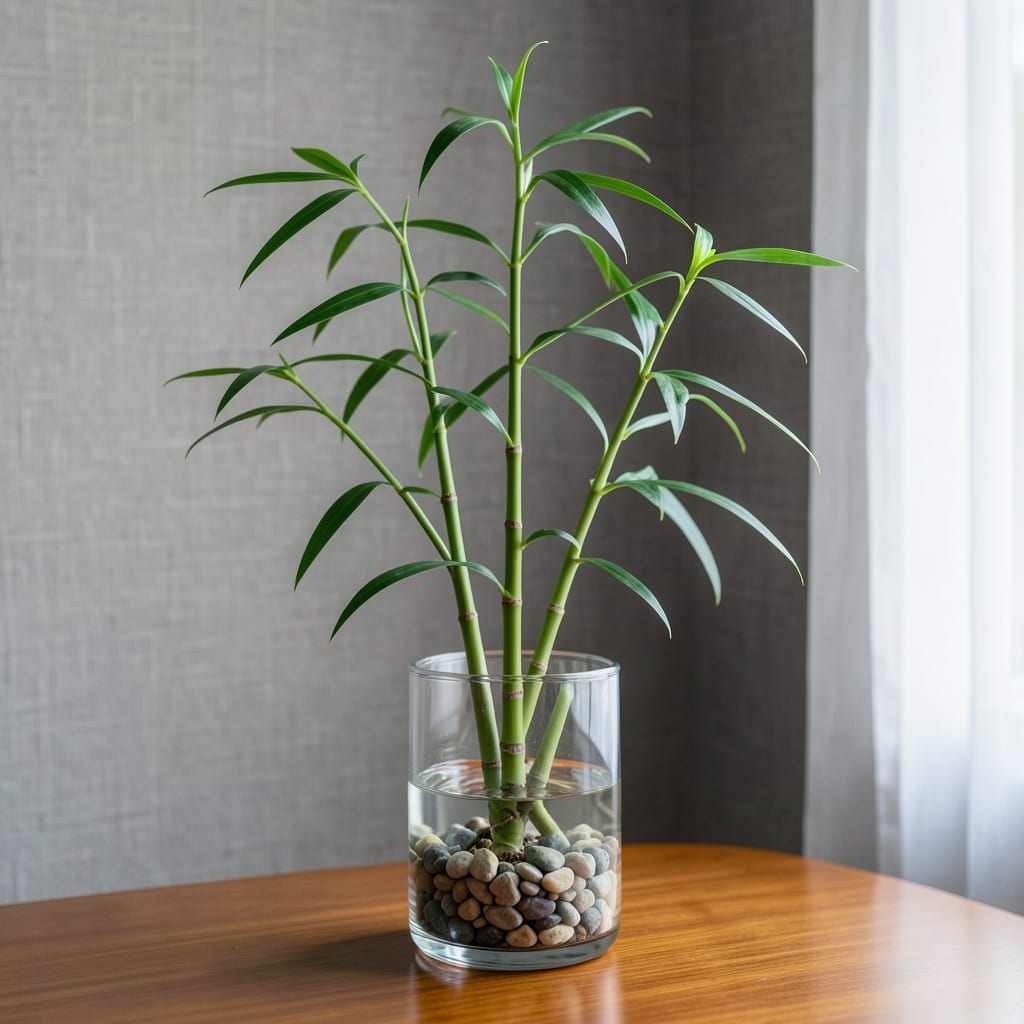
If you've ever wondered how tall can a bamboo plant grow, the answer might surprise you—some varieties shoot up like skyscrapers, reaching 65 feet or more in just a few years! Whether you're dreaming of a lush privacy screen or worried about containment, understanding bamboo's growth habits is the key to making it work for your space.
Bamboo isn't just one plant—it's a family with dramatic differences. Clumping types stay put, while running varieties spread aggressively, and their heights vary just as wildly. From dwarf varieties that top out at 3 feet to giants that dwarf trees, the right choice depends on your garden's size and your patience for maintenance.
Growth speed is another game-changer. Some bamboo can add 3 feet per month during peak seasons, turning a small shoot into a towering presence in no time. But don’t let that scare you off—with the right containment methods, even the fastest growers can be managed beautifully.
In this guide, I’ll break down the tallest bamboo species, how to control their height, and which varieties are perfect for small yards. Let’s turn your bamboo dreams into a reality—without the headaches!


Bamboo growth heights by species: from dwarf to giant varieties
When it comes to how tall can a bamboo plant grow, the answer depends entirely on the species you choose. Bamboo falls into three main categories based on height and growth habits: dwarf varieties, clumping types, and aggressive running bamboos. Some stay as short as 3 feet, while others shoot up like skyscrapers, reaching 65 feet or more. Let’s explore the extremes and everything in between.
The tallest bamboo species, like Phyllostachys bambusoides (commonly called Moso bamboo), can grow up to 100 feet in ideal conditions. This giant is native to Asia and is often used for large-scale landscaping or even commercial construction. In contrast, Bambusa multiplex (also called thunderstick bamboo) stays a manageable 10–15 feet tall, making it perfect for smaller gardens or containers.
Clumping bamboos, like Fargesia robusta or Bambusa ventricosa, are generally easier to manage because they don’t spread aggressively. These varieties typically reach 10–20 feet at maturity, offering a balance between height and containment. Running bamboos, however, are the fast-growing giants—Bambusa vulgaris can hit 50 feet in just a few years, while Phyllostachys aureosulcata (yellow groove bamboo) tops out around 40 feet.
If you're working with limited space, dwarf bamboos like Bambusa multiplex 'Tiny Tower' or Bambusa ventricosa 'Rainbow' are excellent choices. These stay under 8 feet and are often used as accent plants or in bonsai-style gardens. Even these smaller varieties can add dramatic vertical interest without overwhelming your landscape.
Here’s a quick visual guide to help you compare heights. Remember, these are mature heights, so give your bamboo time to grow before judging its full potential!
| Variety | Height Range | Growth Habit | Best For |
|---|---|---|---|
| Phyllostachys bambusoides (Moso) | 65–100 ft | Running | Large estates, privacy screens |
| Bambusa vulgaris | 40–50 ft | Running | Tropical landscapes, windbreaks |
| Fargesia robusta | 10–15 ft | Clumping | Small gardens, containers |
| Bambusa multiplex 'Tiny Tower' | 3–8 ft | Clumping | Bonsai, patios, small spaces |
| Phyllostachys aureosulcata | 30–40 ft | Running | Medium to large gardens |
Choosing the right bamboo for your space isn’t just about height—it’s also about growth speed and maintenance requirements. For example, Phyllostachys nigra (black bamboo) grows 1–2 feet per month and reaches 30–40 feet, making it a stunning but fast-growing option. If you’re new to bamboo gardening, start with a clumping variety like Bambusa multiplex to avoid surprises down the road.
One common misconception is that all bamboo grows extremely tall. In reality, many varieties—especially clumping types—stay well under 15 feet and are perfect for urban gardens or balconies. The key is to match the species to your available space, climate, and maintenance commitment. For instance, dwarf bamboos thrive in containers, while running types need physical barriers to prevent spreading.
Before planting, take time to research the mature height of your chosen bamboo. A 10-foot variety planted near a 3-foot fence will quickly outgrow its surroundings, creating an awkward visual. Conversely, a 65-foot giant planted in a small backyard can become a nightmare to control. Always measure your space and plan accordingly!
If you’re still unsure which bamboo to pick, consider starting with a medium-height clumping type, like Fargesia den
How fast does bamboo grow vertically? Monthly and annual growth rates
If you're planning to grow bamboo, one of the first questions that pops up is how fast does bamboo grow? The answer varies wildly depending on the species, but some varieties can shoot up like a rocket—adding 1 to 3 feet per month during peak growing seasons. For example, Phyllostachys bambusoides, also known as Moso bamboo, can grow over 3 feet in a single month under ideal conditions.
Growth speed isn’t just about height—it’s also about how quickly bamboo establishes itself. In the first year, most bamboo varieties focus on root development, but by year two, you’ll start seeing dramatic vertical growth. Some running bamboo species, like Bambusa vulgaris, can reach 10 to 20 feet in just two years, while clumping bamboo like Bambusa multiplex grows more slowly, typically reaching 6 to 10 feet in the same timeframe.
Climate plays a huge role in growth rates. Bamboo thrives in USDA zones 6-10, where warm temperatures and plenty of moisture fuel rapid growth. In tropical regions, bamboo can grow year-round, while in cooler climates, growth slows or stops during winter months. For instance, in California or Florida, bamboo might grow 12 to 24 inches per month during spring and summer, while in New England, growth might only occur during the warmer months.
Soil quality and sunlight also impact growth speed. Bamboo loves well-draining, nutrient-rich soil with a slightly acidic to neutral pH. If your soil is poor, growth will be slower, and the bamboo may become more susceptible to pests and diseases. Additionally, bamboo prefers partial shade to full sun, but too much direct sunlight can stress the plant, slowing its growth. Finding the right balance ensures your bamboo grows at its fastest potential.
🌱
- Phyllostachys bambusoides (Moso bamboo): 1-3 feet/month in ideal conditions; can reach 65+ feet in 3-5 years.
- Bambusa vulgaris (Giant bamboo): 1-2 feet/month; matures to 50-80 feet in 4-6 years.
- Bambusa multiplex (Thunderhead bamboo): 6-12 inches/month; reaches 10-20 feet in 2-3 years.
- Fargesia robusta (Dwarf clumping bamboo): 3-6 inches/month; stays under 3-6 feet for years.
- Dendrocalamus asper (Asper bamboo): 1-2 feet/month; can grow 40-60 feet in 5-7 years.
Understanding these growth rates helps you plan your garden layout and maintenance schedule. For instance, if you plant running bamboo near a fence or property line, you’ll need to install root barriers early to prevent it from spreading uncontrollably. On the other hand, clumping bamboo is a great choice for small yards because it grows more slowly and stays contained.
To maximize growth, I recommend planting bamboo in early spring when the soil is warm but not yet too hot. Water deeply once or twice a week during the first year to encourage strong root development. Once established, bamboo becomes more drought-tolerant, but it still appreciates regular watering during dry spells. With the right care, your bamboo can grow into a stunning, towering feature in your landscape—without taking over your yard!
✂️