
Size
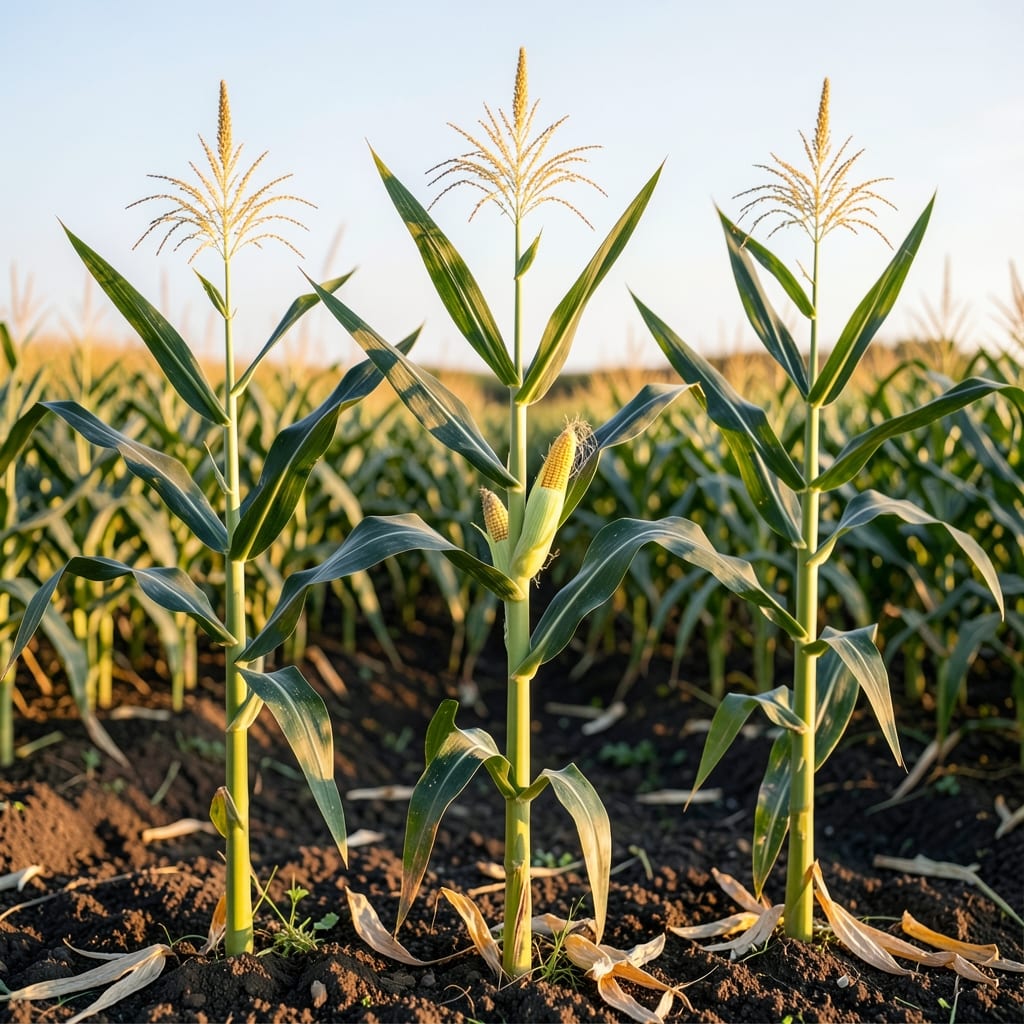
Ever wondered how tall a corn plant can grow in your backyard? The answer depends on the variety you choose, and the right one could turn your garden into a towering green jungle—or keep it manageable for small spaces.
Corn plants like 🌽 come in all sizes, from dwarf varieties that stay under 4 feet to giants that stretch toward the sky. Whether you're working with a tiny container or a sprawling plot, knowing how tall your corn can grow helps you plan spacing, staking, and even trellising for support.
But height isn’t just about space—it’s also about yield and care. Tall corn needs strong stalks, proper nutrients, and plenty of sunlight to reach its full potential. Meanwhile, shorter varieties might be easier to manage but still pack a flavorful punch. Let’s break down what influences corn height and how to pick the perfect variety for your garden.
Ready to grow corn that fits your space and your goals? I’ll show you the best options for every garden size, plus tips to help your plants grow strong—no matter how tall they climb.


Corn plant height by variety: from dwarf to giant types explained
Corn plants can vary dramatically in height, from compact dwarf varieties perfect for containers to towering giants that need wide-open spaces. The height of your corn depends entirely on the variety you choose, with some reaching over 12 feet tall while others stay under 4 feet. Knowing these differences helps you plan your garden layout and choose the right support structures.
Most gardeners grow standard corn varieties that reach 6 to 12 feet tall, making them ideal for large backyard plots or community gardens. These varieties produce large ears and are perfect for fresh eating or preserving. However, if you're working with limited space, dwarf corn varieties can be a game-changer, allowing you to grow corn in containers or small raised beds.
Here’s a breakdown of corn heights by category, including popular varieties and their ideal growing conditions:
| Variety Type | Height Range | Popular Varieties | Best For |
|---|---|---|---|
| Dwarf Corn | 2–4 feet | 'Golden Bantam', 'Tom Thumb' | Containers, small gardens, heirloom collections |
| Semi-Dwarf Corn | 5–7 feet | 'Country Gentleman', 'Silver Queen' | Small backyards, raised beds, urban gardens |
| Standard Corn | 8–12 feet | 'Golden Cross Bantam', 'Peaches and Cream' | Large gardens, fields, high yield |
| Giant Corn | 12–14+ feet | 'Mammoth Melting', 'Country Gentleman' | Sprawling plots, competitive growing |
Dwarf corn varieties like 'Golden Bantam' are perfect for container gardening or small spaces. They mature quickly and produce small but flavorful ears, making them ideal for beginners or urban gardeners. These varieties typically grow 2 to 4 feet tall, so they don’t require staking or trellising, which is a huge plus for limited spaces.
On the other end of the spectrum, giant corn varieties like 'Mammoth Melting' can reach 12 to 14 feet tall, producing ears that are nearly 1 foot in length. These varieties are best suited for large gardens or fields where they have plenty of room to grow. They require strong stalks and may need staking or trellising to prevent them from toppling over.
If you're growing corn in a small backyard, semi-dwarf varieties like 'Country Gentleman' are an excellent middle ground. They typically reach 5 to 7 feet tall and produce large ears without taking up too much space. These varieties are also disease-resistant and well-suited for raised beds, making them a favorite among home gardeners.
Choosing the right variety isn’t just about height—it’s also about flavor, yield, and maturity time. For example, 'Peaches and Cream' is a standard variety that grows 8 to 10 feet tall and produces sweet, juicy kernels, while 'Silver Queen', a semi-dwarf, is known for its buttery texture and early maturity. Consider your garden’s size, your goals, and your local climate when selecting a variety.
Pro tip: If you're growing multiple corn varieties, plant them in blocks rather than rows to ensure proper pollination. This is especially important for tall varieties, as their pollen needs to travel farther to reach neighboring plants. A block of 10x10 feet is a good starting point for most varieties.
Whether you're dreaming of skyscraper corn or prefer compact plants for containers, there’s a variety out there that’s perfect for your garden. Next, we’ll explore the key factors that influence how tall your corn plants grow—and how you can optimize their height for the best results.
Factors that influence how tall a corn plant grows
Corn height isn't just about the variety you plant—it’s also shaped by environmental factors and your care routine. While genetics set the baseline, sunlight exposure, soil quality, watering habits, and even temperature can push your corn toward the sky or keep it shorter than expected. Understanding these influences helps you optimize growth for your specific conditions.
First, sunlight is non-negotiable for tall corn. Plants need 6-8 hours of direct sun daily to reach their full height potential. Without enough light, stalks may grow lanky and weak, increasing the risk of lodging (falling over). In shady spots, corn might stay 30-50% shorter than its expected height. If your garden has partial shade, consider dwarf varieties or use reflective surfaces to bounce light onto plants.
Soil quality plays a huge role in corn height too. Poor, compacted, or nutrient-deficient soil stunts growth, while rich, well-draining soil with plenty of organic matter helps corn reach its maximum height. Before planting, amend your soil with compost or aged manure to provide the nitrogen, phosphorus, and potassium corn craves for strong stalk development. A quick soil test can reveal deficiencies—especially low phosphorus, which directly impacts root and stalk strength.
- ✅ Sunlight: 6-8 hours daily = full height potential; less than 5 hours = stunted growth (30-50% shorter)
- 💧 Watering: 1-2 inches per week during growing season; drought stress = weak stalks, reduced height
- 🌡️ Temperature: Ideal 70-85°F for growth; below 60°F slows development, above 95°F causes stress
- 🪴 Soil Quality: Well-draining, nutrient-rich soil = taller stalks; compacted or poor soil = stunted growth
- 🌱 Spacing: Too close = competition for nutrients = shorter plants; ideal spacing = 12-18 inches apart
- 🌿 Fertilizer: Balanced NPK (10-10-10) every 4-6 weeks; over-fertilizing = weak stalks prone to lodging
Watering habits can make or break your corn’s height. Corn needs consistent moisture, especially during tasseling and ear development. Uneven watering leads to weak stalks that struggle to support the plant’s weight, often resulting in lodging (where plants topple over). Water deeply 1-2 inches per week, focusing on the root zone rather than wetting the leaves. Drip irrigation or soaker hoses work best to deliver water efficiently without causing fungal issues.
Temperature also plays a surprising role in corn height. Corn thrives in warm weather (70-85°F), but extreme heat or cold can stunt growth. If nights dip below 60°F, corn grows more slowly, while temperatures above 95°F can cause heat stress, leading to smaller ears and weaker stalks. In cooler climates, opt for early-maturing varieties to avoid stunted growth due to short seasons. Mulching with straw helps regulate soil temperature and retain moisture, creating ideal conditions for tall, healthy corn.
Finally, spacing and support affect how tall your corn can grow. Crowding plants forces them to compete for nutrients, resulting in shorter, weaker stalks. For standard varieties, space plants 12-18 inches apart in rows 30-36 inches apart. If you’re growing tall varieties (8+ feet), consider staking or trellising to prevent lodging. Even dwarf varieties benefit from light support if grown in windy areas or heavy soil. A simple bamboo stake or mesh trellis can make a big difference in maintaining height and yield.
By mastering these factors, you can coax your corn plants to reach their full height potential—whether you're aiming for skyscraper stalks or compact container-friendly varieties. Next, we’ll explore the best corn varieties for small gardens vs large fields, so you can pick the perfect fit for your space and goals.