
Size
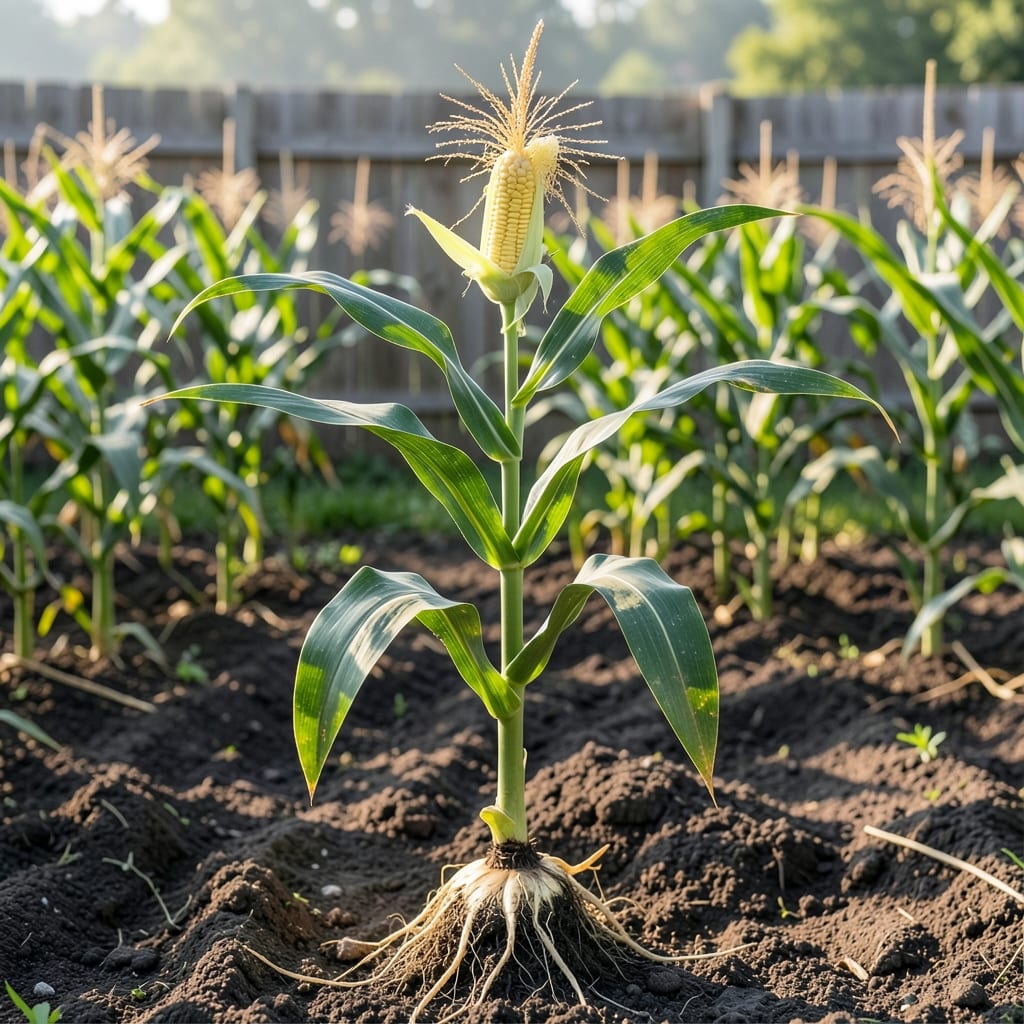
If you’ve ever stared at your corn patch and wondered how tall can corn plants grow, you’re not alone—some varieties stretch taller than a basketball hoop while others barely reach your waist. The difference isn’t just luck; it’s science, soil, and a few gardening secrets most beginners miss.
Picture this: a 🌽 Golden Bantam dwarf variety standing proudly at just 3 feet, while a field corn giant like ‘Mammoth’ soars to 12 feet or more. That’s a 400% difference in height right in your backyard! Whether you’re cramped in a small garden or dreaming of a towering cornfield, understanding what controls this growth is the key to planning your plot like a pro.
Genetics set the baseline, but sunlight, nutrients, and even watering habits can push your corn toward the sky—or keep it grounded. I’ll break down the 5 biggest factors that determine height, so you can tweak your garden strategy for the perfect stalk size, whether you want ears at eye level or a dramatic backyard skyline.
Ready to stop guessing and start growing? Let’s dive into the surprising truths behind corn’s sky-high potential—and how you can harness it for your next harvest.

Natural corn plant height ranges: from dwarf varieties to giant stalk breeders
Corn plants can range from 3-foot dwarf varieties to 12-foot field corn giants, making height one of the most dramatic differences in the plant kingdom. If you’ve ever compared your backyard corn patch to a neighbor’s towering stalks, you’ve witnessed firsthand how much variety exists within this single species.
The height of your corn isn’t just about space—it directly impacts harvestability, garden layout, and even pollination success. A 5-foot 'Golden Bantam' might be perfect for small gardens, while a 10-foot 'Mammoth' variety could dominate your landscape like a natural trellis. Understanding these ranges helps you choose the right variety for your goals, whether that’s maximizing yield or fitting plants into tight spaces.
Most home gardeners grow sweet corn varieties that typically reach 6 to 8 feet at maturity. These medium-height plants strike a balance between manageability and productivity, making them ideal for backyard plots. However, if you’re curious about the extremes, field corn and specialty varieties can push the limits even further.
Here’s a quick look at how corn heights break down by category, so you can visualize what to expect in your own garden:
| Variety Type | Height Range | Examples | Best For |
|---|---|---|---|
| Dwarf Varieties | 3–5 ft | Golden Bantam, Miniature Sweet | Small gardens, containers, early harvests |
| Semi-Dwarf Sweet Corn | 5–7 ft | Silver Queen, Country Gentleman | Backyard plots, balanced height |
| Standard Sweet Corn | 7–9 ft | Ambrosia, Peaches and Cream | Large gardens, traditional harvests |
| Field Corn / Giant Varieties | 10–12+ ft | Mammoth, Country Gentleman (field types) | Large spaces, ornamental use, livestock feed |
If you’re working with limited space, dwarf varieties are a game-changer. They mature quickly and produce full-sized ears despite their compact stature, making them perfect for container gardening or urban plots. On the flip side, giant varieties like Mammoth corn can become a focal point in your garden, but they require ample spacing and support to avoid lodging (when stalks fall over).
One surprising fact about corn height is that taller plants don’t always mean bigger ears. While height can indicate maturity and vigor, the size of the ear is more closely tied to the number of kernels per row and the plant’s overall health. For example, a 6-foot 'Silver Queen' might produce larger ears than a 10-foot field corn if the latter isn’t given proper care.
For gardeners with small spaces or high winds, semi-dwarf varieties offer a happy medium. They grow tall enough for good ear production but stay manageable for harvesting and pollination. Plus, their height makes them less prone to lodging, a common issue with taller corn varieties in windy conditions.
If you’re growing corn for ornamental purposes or as a natural windbreak, consider mixing heights in your plot. A 3-foot dwarf variety in the front with a 10-foot giant in the back creates visual interest while maximizing your garden’s potential. Just be sure to space them appropriately—taller corn needs 18–24 inches between stalks, while dwarfs can get by with as little as 12 inches.
Pro tip: If you’re experimenting with height, start with one or two varieties to test what works best in your space. Corn is wind-pollinated, so planting different heights close together can actually improve pollination rates by creating a more dynamic airflow around the plants.
5 Key factors that control corn plant height (and how to optimize them)
While corn varieties set the genetic baseline for height, real-world growing conditions can push your plants 30% taller or shorter than expected. I’ve seen 6-foot 'Silver Queen' corn reach 9 feet with ideal care, while neglected 10-foot Mammoth varieties struggle to clear 6 feet. The difference comes down to these 5 critical factors you can control in your garden.
First, sunlight exposure is non-negotiable—corn needs 6–8 hours of direct sun daily to reach its full height potential. Plants growing in partial shade may only reach 50–70% of their expected height. I once had a 7-foot variety in a shady corner that maxed out at 4 feet, despite my best efforts with fertilizer. The moral? Prioritize full sun locations, especially for taller varieties.
Soil nutrients play an equally vital role, particularly nitrogen and phosphorus. A soil test revealing low phosphorus levels can stunt root development, limiting height growth. I recommend amending your soil with compost or a balanced 10-10-10 fertilizer at planting, then side-dressing with high-nitrogen fertilizer when plants reach knee height. Over-fertilizing with nitrogen, however, can lead to leafy growth at the expense of ear development—so balance is key.
Sunlight Exposure
Corn needs 6–8 hours of direct sun daily. Shade reduces height by 30–50%. Use reflective mulch or nearby structures to maximize light.
Soil Nutrients
Test soil for phosphorus (P) and potassium (K). Low levels stunt root growth. Use compost or balanced fertilizer at planting.
Watering Practices
Consistent moisture is critical. Drought stress during tasseling can reduce height by 20–40%. Water deeply 2–3 times per week.
Temperature
Ideal temps: 70–85°F. Heatwaves above 90°F can stunt growth. Use shade cloth in extreme heat.
Spacing & Support
Overcrowding reduces height by 15–30%. Space tall varieties 18–24 inches apart. Use stakes or cages for varieties over 8 feet.
Watering practices often get overlooked, but drought stress during critical growth stages can permanently limit height. I’ve noticed that corn plants experiencing water shortages during tasseling (when pollen forms) often grow 20–40% shorter than well-watered counterparts. Aim for 1–2 inches of water per week, delivered deeply 2–3 times per week rather than shallow daily watering. Drip irrigation is ideal for maintaining consistent moisture without wetting the foliage, which can promote fungal diseases.
Temperature fluctuations also play a surprising role in corn height. While corn thrives in 70–85°F temperatures, prolonged heatwaves above 90°F can stunt growth by slowing photosynthesis. In my Zone 7b garden, I’ve had to use shade cloth during July to protect 10-foot Mammoth corn from heat stress. Conversely, cool nights below 50°F can delay maturity, indirectly reducing height potential. Monitoring your local weather and adjusting care accordingly can make a noticeable difference in your corn’s stature.
Finally, spacing and physical support are often the unsung heroes of corn height optimization. Overcrowded plants compete for nutrients and sunlight, leading to 15–30% shorter stalks. For varieties over 8 feet tall, I recommend spacing plants 18–24 inches apart in rows 30–36 inches apart. For even taller varieties like Mammoth corn, consider adding stakes or cages to prevent lodging (when stalks fall over). I’ve seen 12-foot corn nearly collapse without support, reducing its height by 30% or more.
Pro tip: If you’re growing multiple corn varieties, plant the tallest in the back and shortest in the front to maximize sunlight exposure for all plants. This simple layout trick can boost height across your entire corn patch by 10–20% through better air circulation and reduced competition.