
Trees
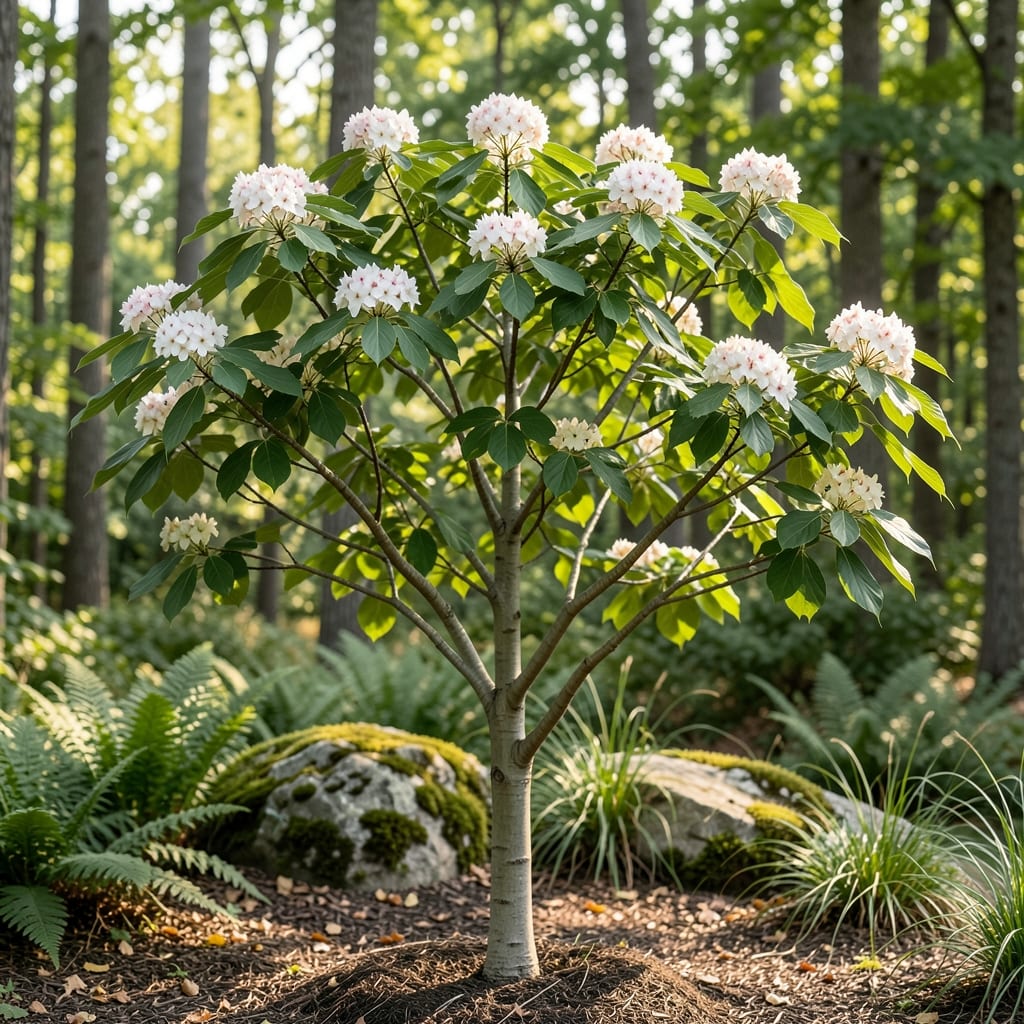
If you're wondering how tall can a dogwood tree grow, the answer might surprise you—these stunning 🌳 beauties can range from compact shrubs to towering shade trees, depending on the species and growing conditions. Whether you're planning a small garden or a sprawling landscape, knowing these height variations helps you choose the perfect fit for your space.
The most common native dogwood, like the Cornus florida, typically reaches 15-25 feet at maturity, while others, such as the Pacific dogwood, can stretch up to 30 feet or more. Cultivars like 'Taylor' stay under 15 feet, making them ideal for smaller yards, while larger varieties dominate bigger landscapes.
But size isn't the only factor—growth rate and environmental conditions play a huge role. Dogwoods thrive in USDA Zone 6a and beyond, but their height can be influenced by soil quality, sunlight, and even pruning habits. With the right care, you can encourage compact growth or let them reach their full potential.
Ready to make the best choice for your garden? Let’s break down the height ranges, growth tips, and how to manage size—so you can enjoy a dogwood that’s perfect for your space and style.


Native dogwood tree height ranges by species: from dwarf to giant
When planning your landscape, knowing how tall can a dogwood tree grow depends entirely on the species you choose. Native dogwoods offer a stunning range of heights, from small shrub-like varieties to towering shade trees. For example, the Cornus florida, or Florida dogwood, typically reaches 15-25 feet at maturity, making it a perfect mid-sized tree for many gardens.
On the other end of the spectrum, the Pacific dogwood (Cornus nuttallii) can grow up to 30 feet or more, providing dramatic shade and seasonal interest. Meanwhile, the Cornelian cherry dogwood (Cornus mas) stays more compact, usually 15-20 feet, with a bushier growth habit ideal for smaller spaces.
Here’s a quick comparison to help you visualize the differences:
| Species | Mature Height | Growth Rate | Best For |
|---|---|---|---|
| Florida Dogwood (Cornus florida) | 15-25 ft | Moderate (1-2 ft/year) | Small to medium gardens, shade |
| Pacific Dogwood (Cornus nuttallii) | 25-35 ft | Fast (2-3 ft/year) | Large landscapes, shade trees |
| Cornelian Cherry (Cornus mas) | 15-20 ft | Slow to moderate (1 ft/year) | Small yards, ornamental fruit |
| Kousa Dogwood (Cornus kousa) | 20-25 ft | Moderate (1-2 ft/year) | Urban gardens, disease resistance |
| Dwarf Varieties (e.g., Cornus florida 'Rubra') | 8-12 ft | Slow (0.5-1 ft/year) | Containers, small spaces |
The Florida dogwood is one of the most popular choices for home gardens due to its moderate growth rate and adaptability. It thrives in USDA Zones 5-9 and prefers partial shade to full sun, making it versatile for various climates. Its spring blooms and vibrant fall foliage add year-round interest without overwhelming smaller spaces.
If you’re working with limited space, consider the Kousa dogwood, which is not only disease-resistant but also grows at a controlled rate. This makes it ideal for urban gardens where space is at a premium. Its rounded canopy and durable wood also make it a favorite for landscapers designing low-maintenance gardens.
For those with larger properties, the Pacific dogwood is a showstopper. Its massive blooms and rapid growth make it a standout feature, but it requires more space to thrive. Plant it near patios or driveways where its shade benefits can be fully enjoyed.
When selecting a dogwood, also consider its spread, as some varieties can grow 15-25 feet wide. This means even a 20-foot-tall tree might need 20 feet of clearance on all sides. Always check the specific cultivar’s spread to avoid overcrowding in your landscape.
Finally, remember that soil quality and watering habits can influence height. Dogwoods planted in well-draining, slightly acidic soil (pH 5.0-6.0) tend to grow more vigorously. Overwatering or poor drainage can stunt growth, so always plant in areas with good airflow and avoid waterlogged spots.
Ready to pick the perfect dogwood for your space? Let’s explore how cultivars can further tailor height and appearance to your garden’s needs.
Popular dogwood cultivars and their height variations: small trees for big impact
If you love the look of dogwoods but need a tree that fits your space perfectly, you’re in luck—there are cultivars designed for every yard size. From compact varieties under 10 feet to statement-making giants over 30 feet, these cultivars let you customize your landscape without sacrificing beauty. Let’s explore the best options for small, medium, and large spaces.
For small gardens or containers, cultivars like 'Taylor' and 'Cavalcade' stay under 15 feet tall, making them ideal for urban yards or as focal points in flower beds. These varieties still deliver vibrant blooms and seasonal color, proving that size doesn’t limit impact. Meanwhile, mid-sized options like 'Cherokee Brave' or 'Stella de Oro' reach 15-25 feet, offering a balance of shade and elegance for medium-sized yards.
| Cultivar | Mature Height | Best For | Sunlight Needs |
|---|---|---|---|
| 'Taylor' | 8-12 ft | Small yards, containers | Partial shade |
| 'Cavalcade' | 10-15 ft | Urban gardens, mixed borders | Partial shade |
| 'Cherokee Brave' | 15-25 ft | Medium yards, shade trees | Full sun to partial shade |
| 'White Cliffs' | 25-35 ft | Large landscapes, shade providers | Full sun |
| 'Golden Sunlight' | 12-18 ft | Sunny borders, accent plants | Full sun |
Larger cultivars like 'White Cliffs' or 'Rutledge' can reach 30 feet or taller, making them perfect for backyard shade or as focal points in expansive landscapes. These varieties often have showier blooms and bolder foliage, adding drama to bigger spaces. If you’re unsure which to choose, consider your yard’s sunlight exposure—most dogwoods thrive in partial shade, but some cultivars, like 'Golden Sunlight,' tolerate full sun.
Pro tip: Pair compact dogwoods with low-growing perennials like hostas or ferns to create layered interest. For larger varieties, add understory plants like azaleas or hydrangeas to enhance their natural beauty. This way, your dogwood becomes the star without overwhelming smaller plants in the area.
No matter which cultivar you choose, remember that pruning and care can influence height over time. With the right approach, even a taller dogwood can be maintained at a manageable size—more on that in the next section! 🌿