
How To
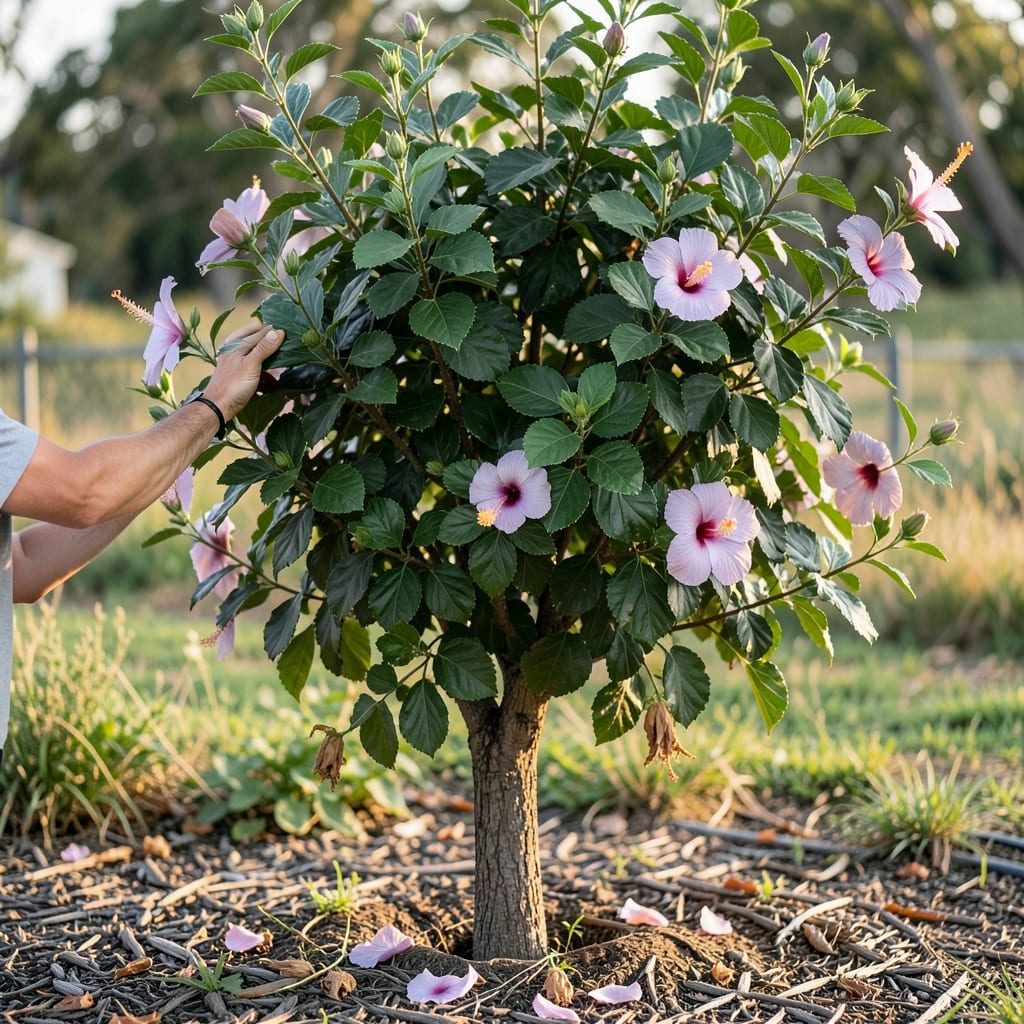
If you’ve ever wondered just how tall can a hibiscus tree grow, the answer might surprise you—some varieties reach towering heights while others stay neatly contained. Picture this: a 🌺 Hibiscus Tree in your backyard, its vibrant blooms swaying in the breeze, but its height depends entirely on the variety and care you provide.
For gardeners in USDA Zone 6a and beyond, understanding these differences is key. Tropical hibiscus can soar up to 30 feet in ideal conditions, while hardy hibiscus (like Hibiscus syriacus) typically maxes out around 10-15 feet. The right pruning techniques can even shape their growth to fit your space perfectly.
Whether you’re dreaming of a lush privacy screen or a compact patio centerpiece, knowing how to manage your hibiscus’s height is the secret to getting the most out of this stunning plant. Let’s explore the factors that influence their growth and how you can guide them to reach their full potential—without overpowering your yard.
From dwarf varieties that stay under 6 feet to giants that need regular trimming, we’ll cover everything you need to keep your hibiscus thriving at just the right height. Ready to discover the perfect size for your garden?


Hibiscus tree height by variety: from dwarf to towering giants
When it comes to hibiscus tree height, the difference between varieties can be staggering. Some stay small enough for containers, while others become towering backyard features. The Hibiscus rosa-sinensis, or tropical hibiscus, often tops out at 10-20 feet but can reach 30 feet in ideal conditions with proper care. Meanwhile, the hardy hibiscus (Hibiscus syriacus) typically stays between 10-15 feet, making it a great choice for smaller yards.
For those with limited space, dwarf varieties like 'Dwarf Red' or 'Lime Green' hibiscus rarely exceed 6 feet, perfect for patio planters or small gardens. These compact options provide all the vibrant blooms without the space commitment. The key to managing height lies in understanding these varieties and their natural growth habits.
Here’s a quick comparison to help you visualize the differences:
If you’re planting a hibiscus for its ornamental value, tropical varieties like 'Lady Baltimore' or 'Hawaiian Sunset' can become stunning focal points, especially in warm climates. These varieties thrive in USDA Zones 9–11 and can grow aggressively if left unchecked. In contrast, hardy hibiscus varieties like 'Blue Chiffon' or 'Pink Giant' are better suited for cooler regions (USDA Zones 5–9) and grow more slowly.
One common misconception is that all hibiscus trees grow tall naturally. In reality, many varieties—especially tropical ones—can be kept smaller with regular pruning or container gardening. For example, a tropical hibiscus in a 15-gallon pot will rarely exceed 6–8 feet, even if its in-ground counterpart reaches 20 feet. This makes container growing a great option for urban gardeners or those with limited space.
For those in USDA Zone 6a, like many gardeners in the Midwest, hardy hibiscus is often the best choice. These varieties are cold-hardy and won’t require winter protection in most years. Their slower growth also means less maintenance, making them ideal for beginners. If you’re after a tropical look but live in a cooler climate, consider growing tropical hibiscus in large containers that you can move indoors during winter.
Another factor to consider is the growth habit of the variety. Some hibiscus trees, like the weeping hibiscus, grow outward as much as upward, creating a dramatic, cascading effect. Others, like the standard hibiscus, grow upright with a more traditional tree shape. Choosing the right variety for your space can save you hours of pruning later.
Whether you’re aiming for a privacy screen, a patio centerpiece, or a backyard statement piece, selecting the right hibiscus variety is the first step to controlling its height. Pair this with proper pruning techniques and care, and you’ll have a hibiscus tree that fits perfectly into your garden vision.
Next, we’ll dive into how pruning and care can further shape your hibiscus tree’s height—whether you want to encourage growth or keep it compact. Stay tuned for tips on seasonal maintenance and avoiding common pruning mistakes!
How pruning and care control hibiscus tree height
Pruning is the secret weapon for controlling your hibiscus tree’s height—whether you want a tall privacy screen or a compact patio tree. The key is timing and technique. For height reduction, prune in late winter or early spring before new growth begins. This encourages bushier growth and prevents leggy stems. Use sharp, clean pruners to cut just above a leaf node or bud, always making cuts at a 45-degree angle to prevent water pooling.
If your hibiscus is growing too fast, focus on removing overly long branches from the top. For tropical hibiscus, which can grow 3–5 feet per year, regular pruning every 3–4 months keeps them manageable. Hardy hibiscus, growing 2–4 feet per year, only needs annual pruning unless you’re shaping it for a specific look.
Pruning Tips for Height Control
- ✂️ Late winter/early spring: Best time for major height reduction
- 🌿 Remove 1/3 of growth: Never cut more than this to avoid stress
- 🌞 Prune after blooming: For tropical hibiscus to preserve flowers
- 🪴 Container plants: Prune more frequently to control size
Another critical factor is fertilization. Over-fertilizing with high-nitrogen feeds encourages rapid, tall but weak growth. Instead, use a balanced 10-10-10 fertilizer every 4–6 weeks during the growing season (spring to early fall). In USDA Zone 6a, reduce feeding in late summer to prepare for winter dormancy. For container-grown hibiscus, use half the recommended dose to prevent salt buildup in the soil.
Mulching plays a surprising role in height control too. Apply 2–3 inches of organic mulch (like shredded bark) around the base to regulate soil temperature and retain moisture. This encourages strong root development, which in turn supports healthier, more controlled growth. Avoid piling mulch against the trunk, as this can cause rot and weaken the tree’s structure.
Common mistakes that lead to unruly growth include pruning at the wrong time (like mid-summer) or using dull tools that tear branches. Always sterilize your pruners with rubbing alcohol between cuts to prevent disease spread. If your hibiscus develops long, bare stems, it’s a sign of insufficient light—move it to a sunnier spot (at least 6+ hours of direct sunlight daily) and prune to encourage bushier growth.
For those growing hibiscus in containers, height control is even easier. Simply repot every 2–3 years into a slightly larger container to restrict root growth, which naturally limits the plant’s height. Pair this with regular pruning, and you can keep even tropical varieties under 6–8 feet—perfect for balconies or small patios.
Remember, the goal isn’t just to control height but to maintain a healthy, blooming hibiscus. With the right pruning schedule and care, you can shape your tree to fit your space while keeping it vibrant and full of flowers. Next, we’ll explore how climate and soil further influence hibiscus growth—especially if you’re gardening outside your plant’s ideal zone.