
How To
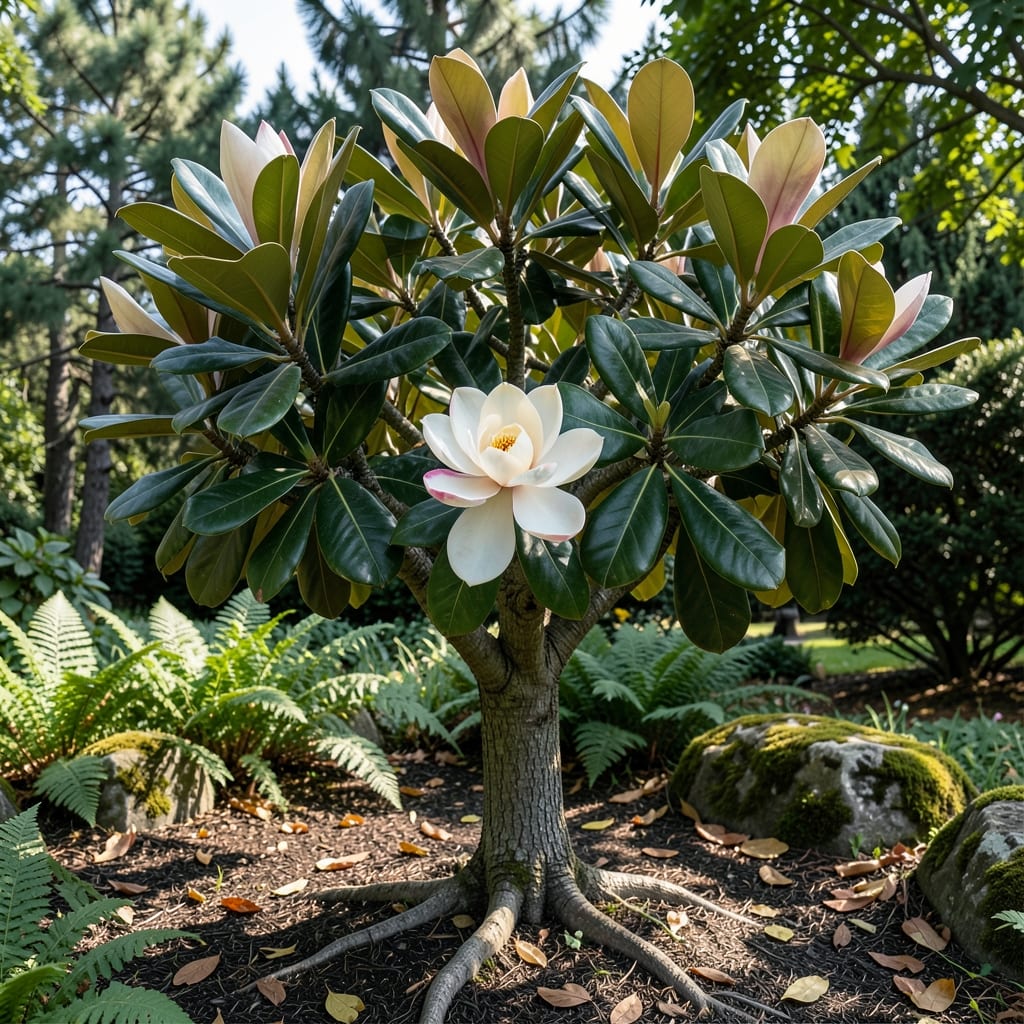
Wondering how tall can a magnolia tree grow before it outgrows your backyard? The answer might surprise you—some varieties stretch over 80 feet tall, while others stay compact enough for even the smallest urban gardens.
If you’ve ever dreamed of those fragrant, 🌸 blooms but worried about towering branches, you’re not alone. The secret to controlling height lies in choosing the right species and mastering a few pruning techniques. Whether you’re in USDA Zone 6a or another climate, the right approach can make all the difference.
From dwarf varieties that top out at 10 feet to giants that dwarf your house, magnolias offer something for every space. I’ll break down the differences and share the best ways to keep your tree at the perfect height—without sacrificing its beauty.
Ready to plant with confidence? Let’s explore the factors that shape magnolia growth and how to shape them to fit your yard.


Magnolia tree height by species: from dwarf varieties to towering giants
Magnolia trees are famous for their stunning 🌸 blooms and glossy leaves, but their height can vary dramatically depending on the species. Some varieties reach 80 feet or more, while others stay under 10 feet—making them perfect for small yards. The key to choosing the right magnolia lies in understanding their native growth habits and how climate influences their size.
Native to regions like the southeastern U.S., Southern Magnolias (Magnolia grandiflora) are among the tallest, often surpassing 60 feet in ideal conditions. Meanwhile, Japanese Magnolias (Magnolia stellata) and their dwarf cousins remain under 15 feet, offering a compact alternative without sacrificing beauty.
Climate plays a huge role in height—warmer, humid zones like USDA Zone 8+ encourage faster growth, while cooler zones may slow development. Soil quality also matters: well-draining, slightly acidic soil helps magnolias thrive, while poor soil can stunt growth.
Here’s how different magnolia species compare in height, along with their ideal growing conditions:
| Variety | Mature Height | Growth Rate | Best For |
|---|---|---|---|
| Southern Magnolia (Magnolia grandiflora) | 60–80 ft | Slow to moderate | Large estates, privacy screens |
| Sweetbay Magnolia (Magnolia virginiana) | 20–40 ft | Moderate | Wet soils, coastal gardens |
| Star Magnolia (Magnolia stellata) | 15–25 ft | Slow | Small yards, containers |
| Little Gem (Magnolia grandiflora 'Little Gem') | 10–15 ft | Slow | Urban gardens, patios |
| Saucer Magnolia (Magnolia × soulangeana) | 20–30 ft | Moderate | Specimen trees, lawns |
If you’re in USDA Zone 6a or cooler, opt for slower-growing varieties like Star Magnolia or 'Black Tulip', which stay under 15 feet. These thrive in containers or small gardens, making them ideal for urban spaces where towering trees aren’t practical.
For those with space, Southern Magnolias and Kadampa Magnolias (up to 80 feet) make dramatic focal points. Just be prepared for their massive canopies—these trees need room to spread their roots and branches.
Soil pH also affects growth: magnolias prefer acidic soil (pH 4.5–6.0). Amending clay or alkaline soil with peat moss or sulfur can prevent stunted growth and improve bloom production.
Now that you know which magnolias fit your space, the next step is learning how to control their height—especially if you’re working with a faster-growing variety. Pruning at the right time can make all the difference in keeping your magnolia at the perfect size.
🌿
Magnolia tree height by species: from dwarf varieties to towering giants
Magnolia trees are famous for their show-stopping blooms and glossy leaves, but their height range is just as impressive. Some varieties grow into 80-foot giants, while others stay small enough for containers. The difference often comes down to the species—whether it’s a native Southern Magnolia or a compact Japanese Magnolia.
If you’re planning your garden layout, knowing the mature height of your chosen magnolia is crucial. A Southern Magnolia (Magnolia grandiflora) can easily top 60–80 feet, while a Star Magnolia (Magnolia stellata) stays under 20 feet. Climate, soil quality, and sunlight also play a role in how tall your tree grows.
Here’s a quick look at how different magnolia species compare in height, along with tips for choosing the right one for your space.
| Variety | Mature Height | Growth Rate | Best For |
|---|---|---|---|
| Southern Magnolia (Magnolia grandiflora) | 60–80 ft | Slow to moderate | Large yards, shade trees |
| Star Magnolia (Magnolia stellata) | 15–25 ft | Moderate | Small gardens, containers |
| Little Gem (Magnolia grandiflora 'Little Gem') | 10–15 ft | Slow | Urban yards, patios |
| Saucer Magnolia (Magnolia × soulangeana) | 20–30 ft | Moderate | Medium-sized yards |
| Kadampa (Magnolia campbellii 'Kadampa') | 40–60 ft | Moderate | Large landscapes, shade |
For small spaces, dwarf varieties like 'Little Gem' or 'Black Tulip' are game-changers. They offer the same stunning blooms without the towering height. Meanwhile, standard varieties like 'Southern Magnolia' or 'Kadampa' thrive in rural settings or as shade trees for large properties.
Climate also affects growth. In warmer zones (7-10), magnolias grow faster and taller, while in cooler zones (6a-6b), their growth may slow down. Always check your USDA Zone before planting to avoid disappointment.
If you’re torn between a towering giant and a compact beauty, consider your yard’s layout and future growth. A well-placed magnolia can be a focal point for decades—just pick the right variety for your space! 🌿