
Trees
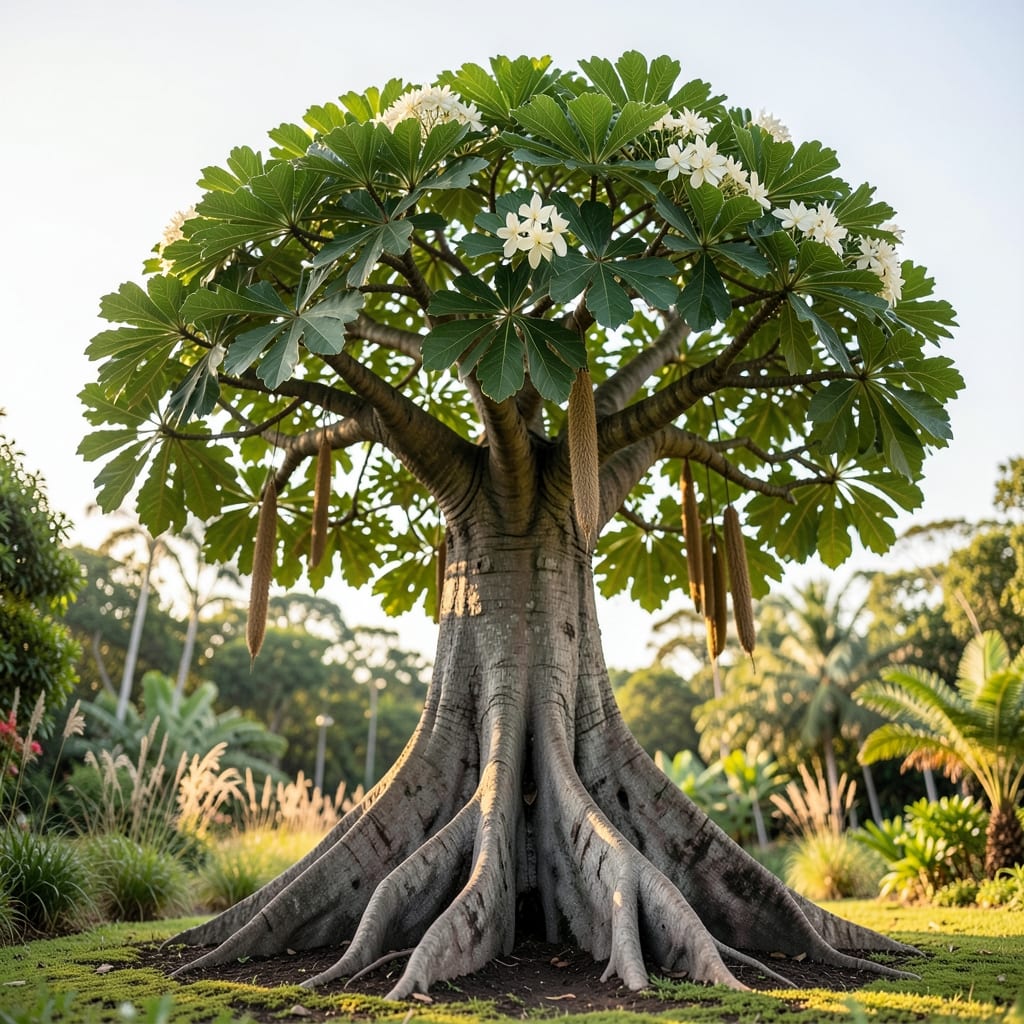
Kapok tree height: record-breaking dimensions and growth patterns
The kapok tree (Ceiba pentandra) isn’t just tall—it’s a skyscraper of the forest, capable of reaching 150–200 feet in its native tropical habitats. That’s taller than a 15-story building! These trees dominate the emergent canopy layer, allowing them to capture sunlight far above other forest giants like mahogany or teak.
In South American rainforests, kapok trees often exceed 180 feet, while specimens in Southeast Asia can hit 200+ feet under ideal conditions. The Guinness World Records highlight a kapok tree in Borneo that stands at a staggering 225 feet, though this is an outlier.
🌳
| Region | Avg. Height (ft) | Max Recorded Height (ft) | Growth Rate (ft/year) |
|---|---|---|---|
| South America | 150–180 | 190 (Brazil) | 3–5 |
| Southeast Asia | 160–200 | 225 (Borneo) | 4–6 |
| West Africa | 120–150 | 165 (Ivory Coast) | 2–4 |
Data sourced from tropical forestry studies (2010–2023)
What makes kapok trees grow so tall? Their fast juvenile growth—up to 6 feet per year—combined with lightweight, fibrous bark that resists breaking under wind stress. Unlike slower-growing species, kapok trees invest early in vertical expansion to outcompete neighbors for sunlight.
In urban or degraded forests, however, kapok trees rarely exceed 80–100 feet. Limited space, poor soil quality, or competition from invasive species stunt their growth dramatically. This highlights why native rainforest conditions are critical for their full potential.
For comparison, the coast redwood (Sequoia sempervirens*), the tallest tree on Earth, maxes out at 380 feet. While kapok trees don’t match that height, their rapid growth rate and ecological dominance in tropical ecosystems make them just as impressive.
If you’re considering planting a kapok tree, remember: space is non-negotiable. Even in tropical climates like Florida or Hawaii, a mature kapok tree will need at least 100 feet of clearance to thrive. Without it, you’ll likely end up with a stunted, stressed tree rather than a forest giant.
🪴
Fun fact: Kapok trees aren’t just tall—they’re also hollow when mature, with buttress roots that spread up to 20 feet wide. These adaptations help stabilize the tree against storms, a necessity in their windy native habitats.
Factors influencing kapok tree growth height: climate, soil, and genetics
A kapok tree’s staggering height isn’t just luck—it’s the result of perfect storm conditions in its native tropical habitats. The humid, warm climate of rainforests provides the ideal environment for their explosive growth. Temperatures consistently between 75–90°F and high humidity (70–90%) allow kapok trees to grow 3–6 feet per year during their juvenile phase.
In dry seasons, growth slows dramatically. For example, kapok trees in West Africa’s savannas often max out at 120–150 feet due to seasonal drought stress, while those in Southeast Asia’s year-round wet climates can hit 200+ feet. The key? Consistent moisture without waterlogging—kapok trees hate soggy roots.
🌿
| Factor | Ideal Condition | Height Impact | Growth Rate Effect |
|---|---|---|---|
| Climate | 75–90°F, 70–90% humidity | 150–200 ft | 3–6 ft/year (juvenile) |
| Soil | Deep, nutrient-rich, well-drained | 120–180 ft | 2–4 ft/year (mature) |
| Genetics | Fast-growing varieties | Up to 225 ft | 4–8 ft/year (optimal) |
| Space | 100+ ft canopy clearance | 80–120 ft (urban) | 1–2 ft/year (stunted) |
Source: Tropical Silviculture Studies (2015–2023)
Soil quality is another game-changer. Kapok trees thrive in deep, fertile soils with high organic matter, like those found in floodplains or alluvial deposits. In nutrient-poor soils, their growth stalls at 60–80 feet. The trees’ buttress roots spread wide to anchor themselves and access deep water tables, but they struggle in compacted or rocky soil.
Genetics also play a role. Some kapok trees in Borneo and Sumatra grow 20% faster than their African counterparts due to local adaptations. For example, trees in high-rainfall zones develop thicker bark to resist fungal rot, while those in drier areas grow deeper root systems to survive seasonal shortages.
Even with perfect conditions, competition can limit height. In dense forests, kapok trees may only reach 100–120 feet because neighboring trees block sunlight. This is why edge-of-forest plantings often yield taller specimens—more sunlight = more vertical growth.
If you’re dreaming of a 200-foot kapok tree in your backyard, think again. Without tropical climate controls, hectares of space, and decades of patience, you’ll likely end up with a much smaller—but still impressive—tree. Even in Florida’s warmest microclimates, kapok trees rarely exceed 100 feet.
🌳