
Size
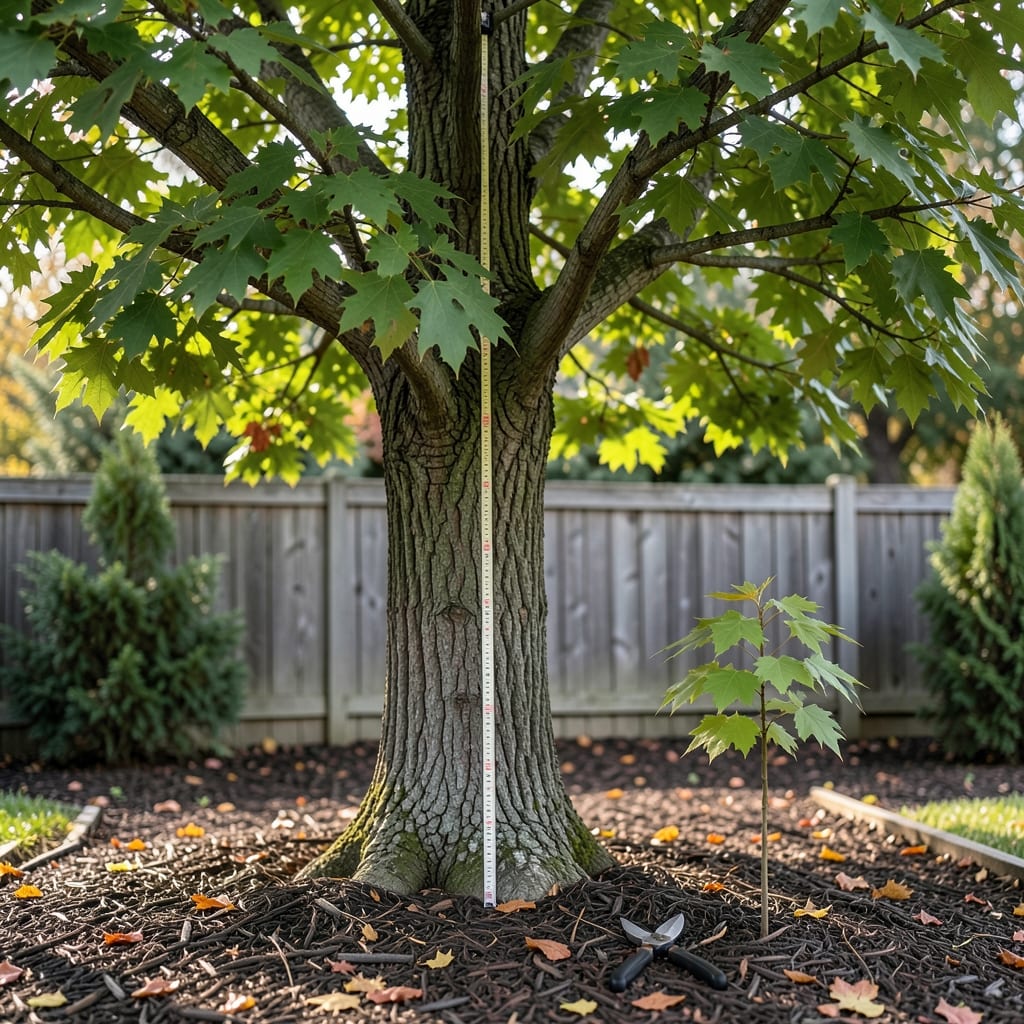
If you’ve ever dreamed of a backyard giant or a tiny patio maple 🌳, the answer to "how tall can a maple tree grow" will surprise you—some varieties stretch taller than a 10-story building, while others stay cozy at just 3 feet! The secret lies in the species and care you provide, turning your green space into either a soaring canopy or a compact centerpiece.
Picture this: a sugar maple reaching 120 feet in its natural habitat, casting shade over acres, while a Japanese maple stays perfectly proportioned at 15 feet—ideal for urban gardens. What you plant isn’t the only factor; soil, sunlight, and pruning play starring roles in shaping your tree’s future height. Let’s break down the stunning range and how to steer growth in the right direction.
Whether you’re eyeing a dramatic statement tree or a space-saving cultivar, knowing these details helps you make the perfect choice. From dwarf varieties that fit snugly in containers to towering specimens that define a landscape, every maple tree has a story—starting with the ground you plant it in. Ready to discover which size suits your vision?
In this guide, we’ll explore the height spectrum, uncover the factors that influence growth, and share tips to manage your maple’s size—so you can enjoy its beauty without sacrificing your backyard’s layout. Let’s get growing!


Maple tree height variations: from dwarf cultivars to towering giants
Maple trees offer one of the widest height ranges in the plant kingdom, spanning from 3-foot patio dwarfs to 120-foot forest monarchs. This diversity means you can find the perfect variety whether you’re designing a tiny urban garden or a sprawling woodland estate. The key difference lies in species genetics—some maples are naturally compact, while others grow aggressively upward when given the right conditions.
For example, a Japanese maple like 'Bloodgood' typically stays between 15–25 feet tall, making it ideal for accent planting, while a sugar maple in the wild can soar to 100–120 feet with a trunk diameter of 4 feet or more. Even within a single species, cultivars vary dramatically—like the 'Autumn Blaze Dwarf' that maxes out at 15 feet versus its standard sibling reaching 50 feet.
Understanding these variations helps you avoid common mistakes, like planting a fast-growing red maple too close to your house or struggling with a dwarf cultivar that outgrows its container. Let’s explore the height spectrum and what it means for your garden.
🌳
Maple Tree Height Comparison
| Variety | Mature Height | Growth Rate | Best For |
|---|---|---|---|
| Japanese Maple 'Bloodgood' | 15–25 ft | Slow (6–12 in/year) | Urban gardens, containers |
| Sugar Maple | 70–100 ft | Moderate (12–24 in/year) | Large landscapes, forests |
| Red Maple | 40–60 ft | Fast (24–36 in/year) | Medium yards, wildlife habitats |
| Norway Maple | 50–70 ft | Moderate (12–24 in/year) | Shade trees, parks |
| Autumn Blaze Dwarf | 15–25 ft | Slow (6–12 in/year) | Small yards, patios |
Note: Heights vary by climate and care.
Dwarf maples like 'Bloodgood' or 'Autumn Blaze Dwarf' are bred to stay small, but even these can exceed expectations if given rich soil and full sun. Their slow growth makes them perfect for container gardening or urban courtyards, where space is limited. Meanwhile, standard varieties like sugar maples grow 3–4 feet per year in ideal conditions, making them a long-term commitment for large properties.
If you’re planting near power lines or buildings, always check local regulations—some areas restrict trees over 30 feet tall without permits. A red maple, for instance, can grow 6 feet per year in fertile soil, so its height must be planned for from day one. Pruning can help manage height, but it’s no substitute for choosing the right cultivar for your space.
For those dreaming of a shade-providing giant, native species like sugar maples or black maples are excellent choices, but they require ample root space—at least 30 feet in diameter for mature trees. Their dense canopies can block sunlight for decades, so place them where they won’t overshadow vegetable gardens or smaller plants.
🌿
One surprising fact about maple height is how climate affects growth. In cooler regions like the Northeast U.S., sugar maples grow more slowly but reach their full height potential. In warmer climates, like the Southeast, red maples may grow faster but can develop weaker wood, making them more prone to storm damage. Always consider your USDA hardiness zone when selecting a variety—some maples, like the Japanese maple, thrive in zones 5–8 but struggle in extreme heat or cold.
Whether you’re drawn to the delicate branches of a dwarf maple or the majestic stature of a sugar maple, understanding these height variations helps you make an informed choice. Next, let’s dive into the factors that influence how tall—or short—your maple tree will grow, so you can set it up for success from the start.
Factors that determine how tall a maple tree grows
When planning your maple tree’s future height, remember: genetics and environment team up to shape its growth trajectory. A sugar maple’s DNA might promise a 120-foot skyline, but poor soil or shade could cap it at 60 feet. Meanwhile, a dwarf Japanese maple stays petite regardless of care—its height is hardwired. Let’s explore the key players in this growth game.
First, species selection sets the baseline. Sugar maples (Acer saccharum) and red maples (Acer rubrum) are natural giants, while Japanese maples (Acer palmatum) and their cultivars often stay under 25 feet. Even within a species, cultivar choices matter: ‘Autumn Blaze’ reaches 50 feet, while ‘Bloodgood’ maxes out at 25 feet. Always check the tag!
🌱 Growth Influencers
- 🌿 Sunlight: Full sun (6+ hours) fuels rapid growth; shade stunts height by 30-50%.
- 💧 Water: Deep watering weekly encourages strong roots; drought stress reduces height by 20-40%.
- 🪴 Soil: Well-draining, slightly acidic soil (pH 6.0-7.0) supports optimal growth; compacted soil limits height.
- ✂️ Pruning: Strategic pruning in late winter promotes upward growth; over-pruning can reduce height by 10-20%.
- 🌡️ Climate: Warmer zones (USDA 6+) accelerate growth; colder climates slow height gain by 1-2 feet/year.
Pruning practices deserve special attention. If you want a taller tree, avoid heavy pruning of the upper canopy—this encourages lateral branches and shorter stature. Instead, focus on structural pruning in late winter to guide vertical growth. For dwarf varieties, regular pruning keeps them compact, but even these benefit from light shaping to maintain their intended form.
Don’t overlook root competition—maple trees planted too close to sidewalks, driveways, or other trees will struggle to reach their full height. Give them space: 20-30 feet from structures and 30-50 feet from other trees for optimal growth. In urban settings, container growing can limit height, but even potted maples need 5-gallon pots to avoid root-bound stress.
Finally, patience is key. Maple trees grow 1-3 feet per year in ideal conditions, but this slows as they mature. A 10-year-old sugar maple might only reach 20-30 feet, while a 30-year-old could soar to 60 feet. Track your tree’s progress with a growth chart—mark its height annually to celebrate milestones!
With the right conditions, even a small backyard can host a mini-forest—just choose your species and care strategy wisely. Whether you’re aiming for a skyscraper or a patio-sized beauty, understanding these factors ensures your maple tree grows to its full potential. 🌳