
Size
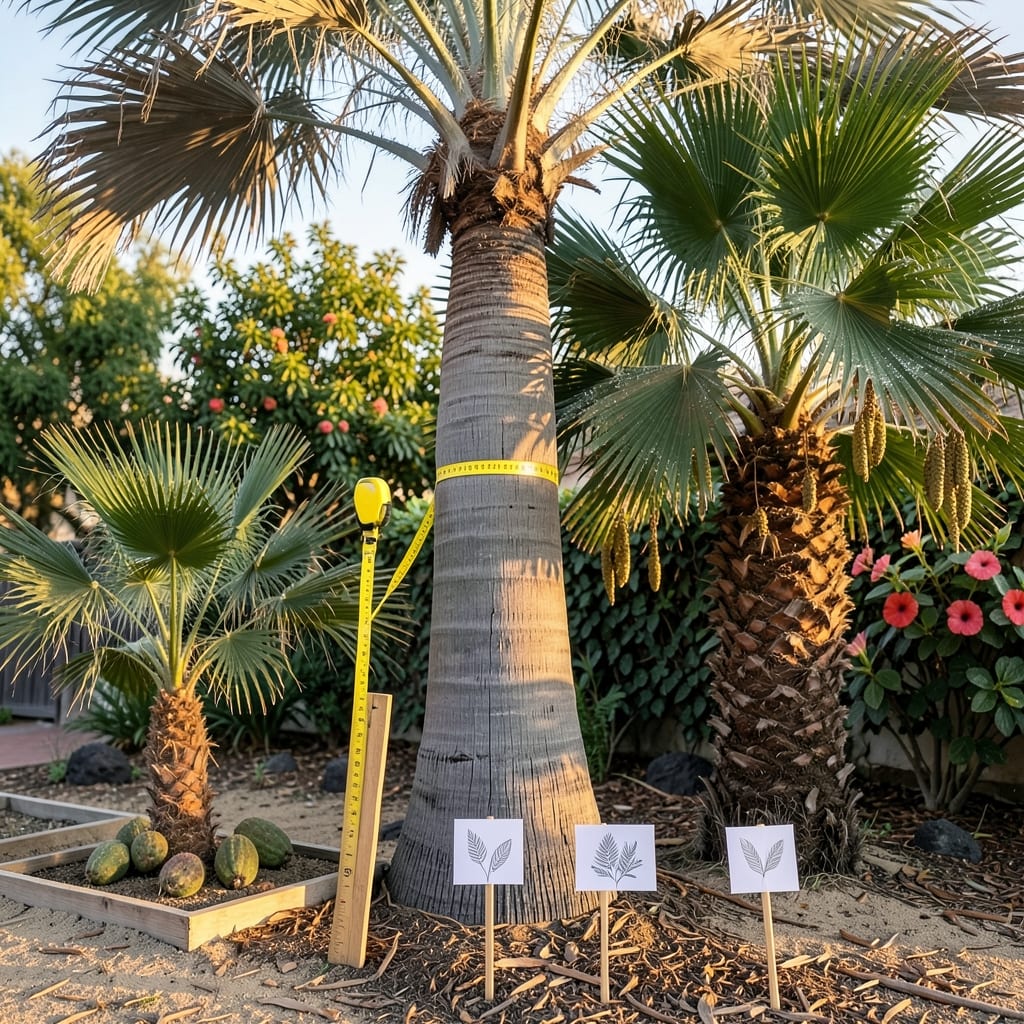
Ever wondered just how tall a palm tree 🌴 can grow? The answer might surprise you—some species reach heights that rival 10-story buildings, while others stay compact enough for even small gardens. Whether you're dreaming of a tropical oasis or just curious about nature's skyscrapers, understanding these differences is key.
Palm trees aren't one-size-fits-all—certain varieties like the towering coconut palm can surge past 100 feet, while dwarf species max out at a modest 15 feet. The distinction isn't just about aesthetics; it impacts everything from your yard's layout to how much maintenance you'll face. Let's break down what makes one palm tree a gentle giant and another a backyard-friendly staple.
But here's the catch: height isn't just about genetics. Climate, soil quality, and care routines play starring roles in whether your palm will stretch toward the sky or stay grounded. In cooler zones like USDA Zone 6, even the hardiest palms need special attention to reach their full potential. I'll show you how to give your palm the best shot at growing tall—or short, depending on your space.
Ready to discover which palms suit your vision? From sky-piercing varieties to space-saving dwarfs, we'll explore the full spectrum of palm tree heights and how to nurture them—no matter where you live. Let's dive in!


Tallest palm tree species: height records and sky-high champions
When it comes to palm trees, the tallest varieties can reach heights that feel almost otherworldly. The coconut palm (Cocos nucifera), for example, often tops out at 80-100 feet in ideal conditions, while the Brazilian wine palm (Attalea speciosa) can soar past 200 feet—making it one of the tallest palm species on Earth. These giants aren't just impressive; they play crucial roles in tropical ecosystems and coastal landscapes.
The Royal Palm (Roystonea regia), a staple in Florida’s skyline, typically grows 50-75 feet tall, with some specimens reaching 100 feet in perfect conditions. Meanwhile, the Canary Island date palm (Phoenix canariensis) can grow 40-60 feet tall, making it a popular choice for Mediterranean climates. Each of these species offers a unique blend of height, hardiness, and aesthetic appeal.
🌴
| Palm Species | Max Height | Growth Rate | Best Climate |
|---|---|---|---|
| Brazilian Wine Palm (Attalea speciosa) | 200+ ft | Slow (1-2 ft/year) | Tropical rainforests |
| Coconut Palm (Cocos nucifera) | 80-100 ft | Moderate (3-5 ft/year) | Coastal, tropical |
| Royal Palm (Roystonea regia) | 50-100 ft | Fast (2-4 ft/year) | Subtropical, humid |
| Canary Island Date Palm (Phoenix canariensis) | 40-60 ft | Moderate (1-3 ft/year) | Mediterranean, arid |
| Pygmy Date Palm (Phoenix roebelenii) | 6-10 ft | Slow (6-12 in/year) | Indoor/container |
If you're aiming for a tall palm tree in your garden, the Royal Palm or Coconut Palm are excellent choices for warmer climates, while the Canary Island Date Palm thrives in drier regions. However, their height comes with trade-offs—larger palms require more space, water, and maintenance. For smaller yards, consider the Mediterranean Fan Palm (Chamaerops humilis), which maxes out at 15-20 feet but still delivers that tropical vibe.
One surprising fact is that palm height isn’t just about genetics. In the wild, the Brazilian Wine Palm can grow 3-5 feet per year under ideal conditions, but in captivity or cooler climates, growth slows dramatically. This is why many gardeners in USDA Zone 6 opt for dwarf varieties or container-grown palms that can be moved indoors during winter.
For those chasing the tallest palm tree experience, the Cocos nucifera is a standout. Not only does it reach impressive heights, but it also produces the iconic coconuts that define tropical landscapes. If you're in a coastal area, this palm thrives with its roots in salt spray and sandy soil—a true testament to nature’s adaptability.
But here’s a pro tip: if you’re planting near power lines or in an urban setting, always check local regulations. Some cities limit palm tree height to 30 feet or less to prevent hazards. A Mediterranean Fan Palm or Dwarf Palmetto (Sabal minor) can be perfect alternatives for space-conscious gardeners.
🌳
Factors that determine palm tree height: climate, soil, and care
Palm tree height isn't just about the species—it's a mix of genetics, environmental conditions, and human care. While a Cocos nucifera might reach 100 feet in the wild, the same palm in a USDA Zone 6 garden could max out at 30 feet without proper conditions. Let’s break down the key factors that shape your palm’s skyward potential.
The most critical factor is climate. Tropical palms like the Royal Palm thrive in humid, frost-free zones (Zones 9-11), where they grow 2-4 feet per year. But in cooler climates, growth slows dramatically. For example, a Canary Island Date Palm in Zone 8 might only reach 20 feet instead of its 60-foot tropical potential. Even slight temperature drops below 20°F can stunt growth or kill young palms.
🌡️
✅ What Boosts Palm Tree Height
- Full sun exposure: 6+ hours daily maximizes photosynthesis and growth.
- Well-draining soil: Sandy or loamy soil prevents root rot, allowing palms to grow taller.
- Consistent watering: Deep watering 2-3 times per week in summer supports rapid growth.
- Fertilizer rich in potassium: A 8-2-12 NPK blend encourages strong trunk development.
- Proper spacing: Planting 10+ feet apart reduces competition for nutrients.
❌ What Stunts Palm Tree Growth
- Poor drainage: Waterlogged soil causes root suffocation, limiting height.
- Insufficient sunlight: Partial shade reduces growth by 30-50% compared to full sun.
- Over-fertilizing: Excess nitrogen promotes leafy growth but weakens the trunk.
- Frost or cold snaps: Damages fronds and halts growth in Zones 6-8.
- Crowded planting: Competing roots slow growth and increase disease risk.
Soil quality plays a huge role too. Palms prefer sandy, slightly acidic soil (pH 5.5-6.5), which drains excess water while retaining enough moisture. Heavy clay soil, common in Zone 6 gardens, can stunt growth by up to 40%. Amending soil with compost or perlite improves drainage and encourages taller growth. In containers, use a palm-specific potting mix to prevent root binding, which restricts height.
Your care routine also matters. Pruning dead fronds redirects energy to trunk growth, while regular fertilization (every 4-6 weeks in spring/summer) fuels rapid development. However, over-pruning can weaken the palm, and under-fertilizing limits its potential. For example, a Royal Palm in Zone 9 with proper care can grow 3-5 feet per year, but neglect slows it to 1 foot or less.
Another often-overlooked factor is wind exposure. Coastal palms like the Coconut Palm grow taller in salty, windy conditions because the wind prunes weaker fronds, encouraging a stronger trunk. In sheltered yards, these palms may grow 20-30% shorter without the same natural pruning effect. If you're in a low-wind area, manually remove weak fronds to mimic this benefit.
For gardeners in cooler climates (Zones 6-8), the key to maximizing height is container growing. Moving potted palms indoors during winter prevents frost damage and allows them to resume growth in spring. A Coconut Palm in a 15-gallon container can reach 20-30 feet over 10 years with proper winter care, compared to 10 feet or less if left outside year-round.
🌱