
How To
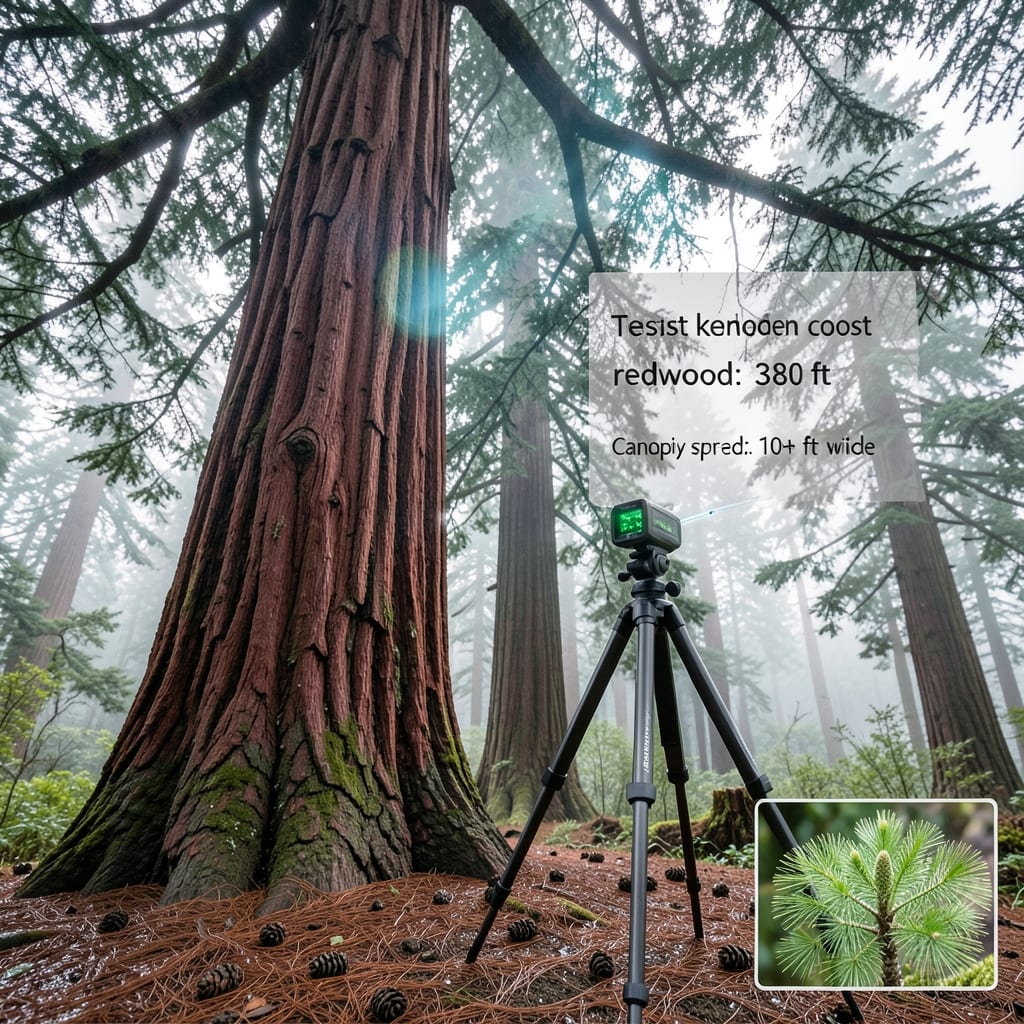
Sequoia tree height records: the tallest trees on earth
If you’ve ever stood beneath a coast redwood or giant sequoia, you know these trees aren’t just tall—they’re unbelievably massive. The world’s tallest tree, Hyperion, stretches a staggering 380 feet into the sky, making it taller than a 30-story building. But how do these giants reach such heights? And what makes them different from other tree species?
Sequoias belong to two species: coast redwoods (Sequoia sempervirens) and giant sequoias (Sequoiadendron giganteum). While both are towering, coast redwoods hold the record for height, while giant sequoias win for sheer volume. Their growth rates and environmental needs also differ dramatically, shaping their potential sizes.
Scientists measure these giants using specialized tools like laser rangefinders and climbing spikes. Hyperion’s height was confirmed in 2006, but its exact location remains a closely guarded secret to protect it from damage. These trees grow so slowly—sometimes just 1-2 feet per year—that their height records change rarely.
Here’s how the two species compare in terms of height, growth rate, and other key traits:
| Trait | Coast Redwood (Sequoia sempervirens) | Giant Sequoia (Sequoiadendron giganteum) |
|---|---|---|
| Max Height | 380 ft | 275 ft |
| Growth Rate | 1-2 ft/year (young) | 0.5-1 ft/year (slowest of all trees) |
| Lifespan | 1,200-2,200 years | 3,000+ years |
| Native Range | California coast | Sierra Nevada mountains |
| Trunk Diameter | 20+ ft | 25+ ft (widest trees on Earth) |
The coast redwood’s record-breaking height comes from its ideal coastal climate, with fog drip providing extra moisture. Meanwhile, giant sequoias thrive in drier, mountainous regions but grow wider rather than taller. Both species share a remarkable trait: their fire-resistant bark, which protects them from wildfires that clear competing vegetation.
While you won’t grow a 380-foot sequoia in your backyard, understanding their growth secrets can help you cultivate smaller specimens. These trees start life as delicate seedlings but develop into ancient giants over centuries. Their slow growth is part of what makes them so resilient—and so fascinating.
If you’re dreaming of growing a sequoia, start with a young sapling and provide the ideal conditions: full sun, well-draining soil, and protection from harsh winds. Even a 20-foot sequoia in 20 years is a remarkable achievement!
Next, we’ll dive into the science behind sequoia growth, including how their deep roots, fire adaptations, and climate preferences contribute to their legendary heights. You’ll also learn how to maximize growth in non-native climates—because even small sequoias deserve the best care.
How sequoias grow so tall: growth secrets and environmental factors
Sequoias don’t just grow tall—they reach for the sky with a speed and resilience that seems almost supernatural. These giants rely on a perfect storm of genetic adaptations, climate conditions, and deep root systems to achieve their legendary heights. Understanding these factors can help even home gardeners nurture smaller sequoias—or at least appreciate why these trees are nature’s skyscrapers.
The key to a sequoia’s towering growth starts with its ancient lineage. Sequoias have thrived for millions of years, evolving thick, fire-resistant bark and massive root networks that tap into deep water sources. Their ability to survive wildfires actually benefits them—fire clears competitors and releases nutrients from fallen debris, fueling their rapid regrowth. This resilience is hardwired into their DNA, allowing them to dominate forests for centuries.
| Factor | Why It Matters | Grower’s Takeaway |
|---|---|---|
| Deep Roots | Access water 100+ feet deep | Plant in well-draining soil with no rock layers. |
| Fire Resistance | Survives high-intensity fires | Avoid thick mulch near trunk to prevent rot. |
| High Elevation | Cooler temps slow decay | Choose cooler microclimates for slower growth. |
| Humidity | High moisture boosts growth | Mist young trees daily in dry climates. |
Elevation plays a surprising role in their growth. While most sequoias thrive in coastal fog belts (like California’s Redwood National Park), some giant sequoias grow best at 4,000–8,000 feet in the Sierra Nevada. The cooler, thinner air at higher elevations slows the decay of their massive trunks, allowing them to store more wood over time. This is why the tallest sequoias often grow in these mountainous regions—where competition is fierce but conditions are ideal.
Water access is another critical factor. Sequoias need consistent moisture, especially when young, but their deep roots allow them to survive droughts once established. In their native habitats, they rely on fog drip and underground aquifers. For gardeners, this means planting in areas with high water tables or supplementing with deep, infrequent watering during dry spells. A young sequoia might need 10–15 gallons of water every 7–14 days, but mature trees can go months without rain.
Soil composition also shapes their growth. Sequoias prefer acidic, well-draining soils rich in organic matter. Poor soil? No problem—they’ll outcompete neighbors with their sheer size and root power. However, compacted or rocky soil can stunt their growth, so amending with compost or peat moss at planting can give them a head start. Even in less-than-ideal conditions, their adaptability ensures they’ll grow—just maybe not as tall as Hyperion.
For home gardeners dreaming of a sequoia in their yard, the takeaway is clear: replicate their ideal conditions as closely as possible. That means full sun, deep soil, and protection from frost. While your sequoia won’t reach 380 feet, with patience and the right care, it can become a local landmark—and a living testament to nature’s engineering marvels. 🌲