
Plants
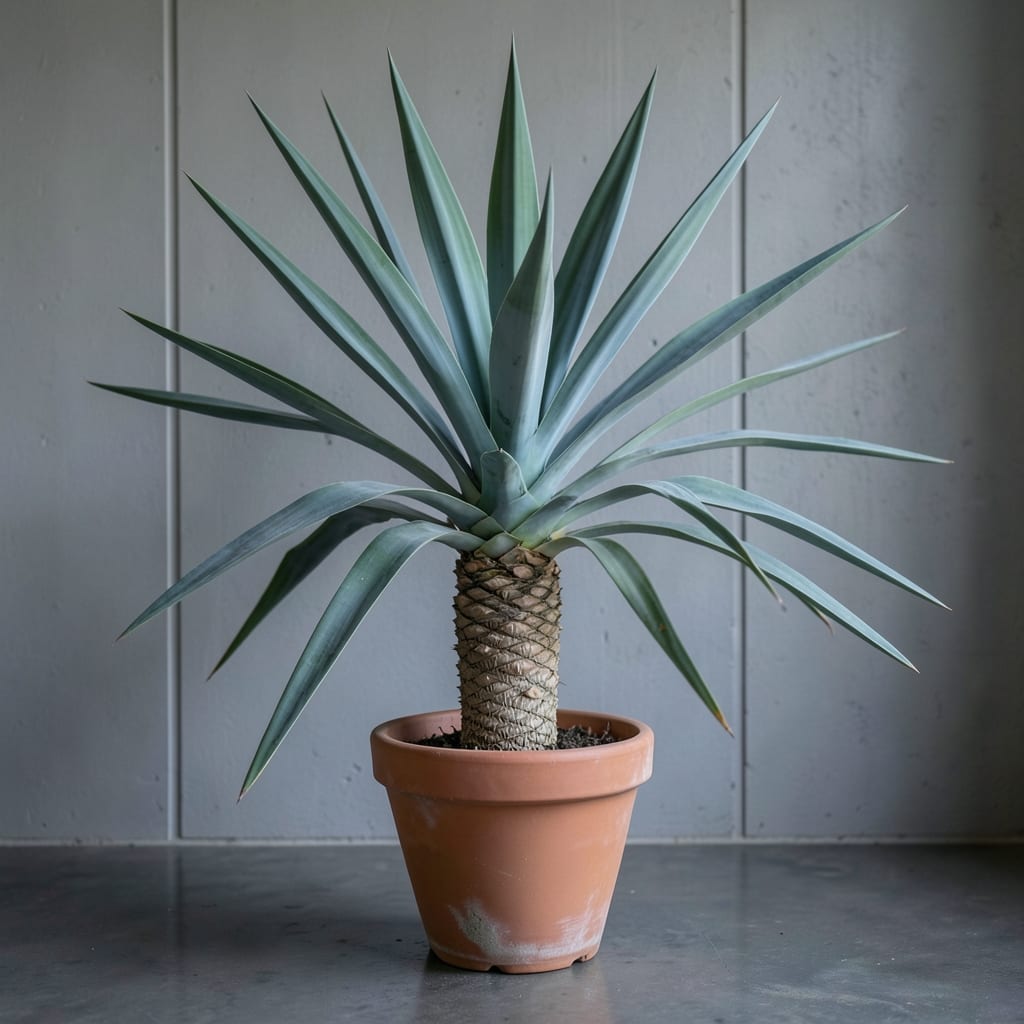
If you're dreaming of a dramatic desert-inspired landscape, how tall can a yucca plant grow might just surprise you—some varieties stretch taller than your two-story house! 🌵 Whether you're planning a bold backyard statement or a container garden, understanding these heights helps you pick the perfect plant for your space.
Yuccas come in all sizes, from the 3-foot-tall Yucca filamentosa (perfect for small gardens) to the towering Yucca rostrata, which can reach 25 feet—that's like a palm tree without the fuss! The key to their height lies in their species, but climate, sunlight, and care play a huge role too.
Curious about how fast they grow or whether you can control their size? I’ll break down the fastest-growing species, how to encourage (or limit) their height, and even compare them to other desert plants like agave. Ready to find your perfect yucca match?
Let’s dive into the details so you can choose a yucca that fits your vision—and your yard! Whether you want a low-maintenance shrub or a sky-scraping centerpiece, there’s a yucca for every space.


Yucca plant height by species: tallest varieties & their growth rates
Yuccas are architectural powerhouses, and their mature heights can range from compact shrubs to towering giants that rival small trees. The tallest yucca species, like Yucca gigantea, can reach 25 feet or more, while smaller varieties like Yucca filamentosa stay between 3–6 feet. Understanding these differences helps you choose the perfect variety for your space—whether you want a dramatic focal point or a low-maintenance border plant.
Growth rates also vary wildly: some yuccas grow 1–2 feet per year in ideal conditions, while others take decades to reach their full height. For example, Yucca baccata (Spanish dagger) grows slowly but can eventually hit 15 feet. Meanwhile, Yucca rostrata (soaptree yucca) shoots up quickly in its youth but slows as it matures.
Here’s the key: soil drainage, sunlight exposure, and climate directly impact how tall a yucca will grow. In arid regions like the Southwest U.S., yuccas thrive and reach their maximum heights. But in cooler climates or containers, their growth may be stunted. Let’s break down the tallest species and their growth habits so you can plan your garden with confidence.
🌵
| Species | Mature Height | Growth Rate | Best For |
|---|---|---|---|
| Yucca gigantea (Spanish bayonet) | 20–25 ft | 1–2 ft/year (fast in youth) | Large landscapes, desert gardens |
| Yucca rostrata (Soaptree yucca) | 15–20 ft | 2 ft/year (slowing with age) | Drought-tolerant gardens, wildlife habitats |
| Yucca baccata (Datil yucca) | 10–15 ft | 1 ft/year (steady growth) | Rock gardens, erosion control |
| Yucca filamentosa (Adam’s needle) | 3–6 ft | 6–12 inches/year | Borders, containers, small gardens |
| Yucca brevifolia (Joshua tree) | 15–40 ft (wild), 10–15 ft (cultivated) | Slow (1 ft/decade in wild) | Iconic desert landscapes |
🌵 Pro Tip: Container-grown yuccas stay 30–50% shorter than their landscape counterparts.
If you’re comparing yuccas to other desert plants, Yucca gigantea and Yucca rostrata outshine even the tallest agave (which max out at 10–12 feet). Their height makes them standout specimens, but don’t let their size intimidate you—many yuccas grow slowly in their early years, giving you time to plan your garden layout.
For example, a 3-year-old Yucca filamentosa might only be 2–3 feet tall, but by year 5, it could double in height. This gradual growth is ideal for gardeners who want to avoid instant overgrowth. Meanwhile, Yucca brevifolia (the famous Joshua tree) takes decades to reach its full height in the wild, making it a long-term investment for desert landscapes.
One common misconception is that all yuccas grow into towering giants. In reality, dwarf varieties like Yuccarecurvifolia (canyon yucca) top out at just 2–3 feet, perfect for rock gardens or containers. So whether you’re working with a small balcony or a half-acre desert garden, there’s a yucca that fits your vision—and your space.
🌿
Factors that influence yucca plant height: sun, soil & care tips
If you’ve ever wondered why your yucca plant seems to be growing at a snail’s pace—or why your neighbor’s looks like a desert skyscraper—the answer lies in its growing conditions. Sunlight exposure, soil drainage, and even your watering habits can transform a yucca from a compact shrub into a towering giant (or vice versa). Let’s uncover the secrets to maximizing—or controlling—a yucca’s height so you can shape your garden like a pro.
First, sunlight is non-negotiable for tall yuccas. Most species need 6+ hours of direct sun daily to reach their full height potential. For example, Yucca gigantea in a full-sun desert garden can hit 25 feet, but the same plant in a shady corner might max out at 10 feet. Partial shade stunts growth, while south-facing exposures (especially in Northern Hemisphere gardens) give yuccas the boost they need to stretch skyward.
🌞
⚠️ Common Mistake: Overwatering yuccas can drown their roots, leading to stunted growth or even death. These plants thrive on neglect—water only when the soil is completely dry, and always use well-draining soil to prevent root rot.
✂️ Pro Tip: Amend heavy clay soil with gravel or sand to mimic desert conditions and encourage faster, healthier growth.
Next, soil quality makes or breaks a yucca’s height ambitions. Yuccas despise soggy soil—poor drainage leads to root suffocation, which slows or stops vertical growth entirely. In native desert environments, yuccas grow in sandy, rocky, or gravelly soil that drains like a sieve. If your garden soil is heavy or compacted, mix in perlite, pumice, or coarse sand to replicate their ideal conditions. This simple tweak can mean the difference between a 6-foot shrub and a 15-foot tree-like yucca.
Don’t overlook the power of pruning to control height. While yuccas don’t need regular pruning, removing dead or damaged leaves redirects energy to new growth, often encouraging taller, straighter stems. For container-grown yuccas, pinching back the tips of young plants can promote bushier (and slightly shorter) growth. Just avoid heavy pruning in winter, as yuccas are dormant and heal slowly.
Finally, climate plays a huge role. Yuccas in USDA Zones 7–11 (their native range) grow fastest and tallest, while those in cooler zones (like Zone 6) may stay shorter or grow more slowly. If you’re in a marginal zone, plant yuccas in containers so you can move them indoors during winter—this protects their roots and ensures they don’t waste energy struggling to survive cold snaps.
🌱
Ready to give your yucca the perfect growing conditions? Start with full sun, fast-draining soil, and minimal watering, then adjust based on your local climate. With the right care, even a 3-foot dwarf yucca can surprise you by reaching its full potential—while a 25-foot giant will stay rooted in your landscape dreams (and your garden’s skyline!).