
Trees
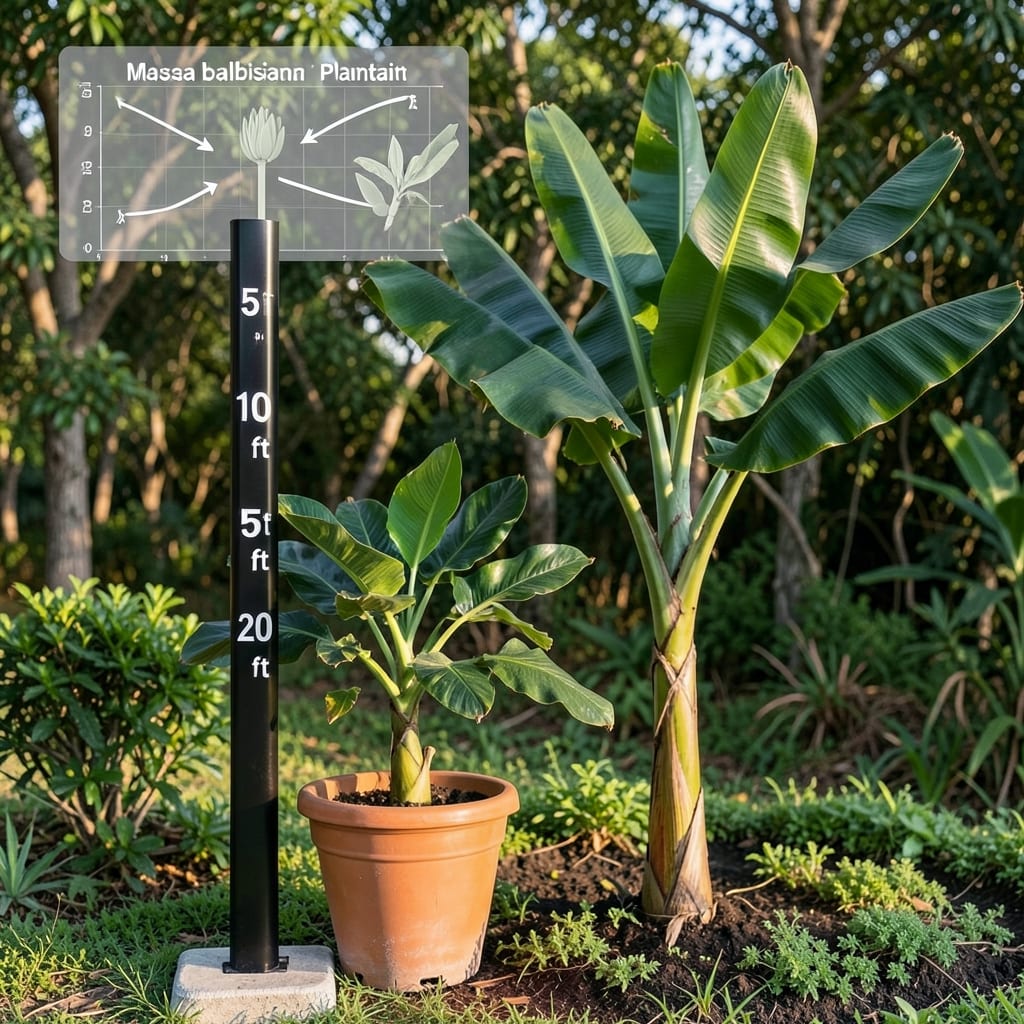
If you’ve ever wondered just how tall a banana tree can grow, you’ll be surprised to learn that some varieties can reach heights that dwarf your two-story home—literally. The 🍌 banana tree isn’t just a tropical accent; it’s a towering giant in the right conditions, with mature plants stretching up to 30 feet or more in ideal climates.
But here’s the twist: not all banana trees are created equal. Dwarf varieties stay compact at 8-12 feet, making them perfect for small gardens, while commercial types can shoot up like skyscrapers. Whether you’re dreaming of a shady backyard retreat or just curious about your plant’s potential, understanding the differences is the key to growing one that thrives—and doesn’t topple your patio.
Climate plays a huge role in how tall your banana tree will grow. In General (Tropical/Subtropical) zones like 10-12 (or 9b-11), these plants flourish year-round, reaching their full height potential. But even in cooler areas, with the right care, you can coax impressive growth. Let’s break down the varieties, the factors that influence their height, and how to manage them—so you can decide if you’re up for a 🍌 giant or a manageable mini.
Ready to discover which banana tree fits your space—and how to keep it from becoming a backyard jungle? I’ll walk you through everything you need to know, from choosing the right variety to giving it the care it craves. Let’s get growing!


Banana tree height by variety: from dwarf to giant species
When you picture a banana tree, chances are you imagine a towering tropical giant—but not all banana trees are created equal. The height of a banana tree depends entirely on its variety, with some staying compact enough for patios while others reach skyscraper-like proportions. For home gardeners, choosing the right type can mean the difference between a manageable accent plant and a backyard jungle that requires serious support.
Dwarf varieties like the Dwarf Cavendish max out around 8-12 feet, making them ideal for containers or small gardens. Meanwhile, commercial giants such as the Grand Nain or Red Dacca can shoot up to 25-30 feet, dwarfing even two-story homes. But before you panic about your ceiling height, let’s break down the most popular varieties and their growth expectations so you can pick the perfect fit for your space.
🍌 Banana Tree Height Comparison
| Variety | Mature Height | Growth Rate | Best For |
|---|---|---|---|
| Dwarf Cavendish | 8-12 ft | Slow to moderate | Containers, small gardens |
| Smooth Cavendish | 12-18 ft | Moderate | Medium yards, urban gardens |
| Lady Finger (Dwarf) | 6-10 ft | Slow | Patios, balconies |
| Grand Nain | 20-25 ft | Fast | Large gardens, tropical climates |
| Red Dacca | 25-30 ft | Very fast | Commercial farms, spacious yards |
The Dwarf Cavendish is a favorite among home gardeners because it stays under 12 feet, making it perfect for containers or small spaces. If you’re growing it in a 15-gallon pot, expect it to reach about 6-8 feet with proper care. On the other hand, the Red Dacca, known for its dramatic red fruit, can grow 30 feet tall in ideal conditions—so unless you’re in a tropical paradise with plenty of space, this one’s better left to commercial growers.
Even within dwarf varieties, growth habits vary. For example, the Lady Finger banana stays under 10 feet and produces small, sweet fruit perfect for snacking. Meanwhile, the Smooth Cavendish, a staple in grocery stores, grows 12-18 feet tall and is more adaptable to cooler climates. If you’re in USDA Zone 9b or higher, you can even grow these outdoors year-round without worrying about frost damage.
One common misconception is that all banana trees grow 30 feet tall. In reality, only commercial varieties like the Grand Nain or Musa acuminata reach those heights. Most home gardeners opt for dwarf or semi-dwarf types because they’re easier to manage and still produce plenty of fruit. That said, if you’re determined to grow a giant, be prepared for staking, pruning, and wind protection—these trees don’t just grow tall; they grow heavy!
If you’re growing banana trees in containers, height will naturally be limited by the pot size. A 5-gallon container might keep a dwarf variety under 5 feet, while a 20-gallon pot could support 8-10 feet of growth. For in-ground planting, soil quality and nutrient availability play a huge role. Amend your soil with compost and organic matter to encourage faster, healthier growth—just don’t overdo the nitrogen, or you’ll get lots of leaves and fewer bananas.
Another factor to consider is the growth rate. Dwarf varieties grow slowly, taking 2-3 years to reach maturity, while giants like the Red Dacca can shoot up 10 feet in a single season under ideal conditions. If you’re impatient, semi-dwarf types like the Smooth Cavendish strike a balance, growing 1-2 feet per month in warm climates.
Before you plant, measure your space and think about wind exposure. Tall banana trees act like sails, and a 25-foot tree in a breezy location can snap or uproot without proper support. If you’re in a
How climate affects banana tree growth and maximum height
Climate is the deciding factor in how tall your banana tree will grow. These tropical giants thrive in USDA Zones 10-12, where temperatures stay consistently warm and humidity levels are high year-round. In these ideal conditions, standard varieties can reach 25-30 feet, while dwarf types max out at 8-12 feet. But even in cooler subtropical zones like Zone 9b, with proper care, you can still grow impressive specimens—just expect slightly slower growth rates.
The temperature is critical. Banana trees need warmth year-round, with daytime highs between 75-85°F and nighttime lows above 60°F. If temperatures dip below 50°F, growth slows dramatically, and frost will kill the plant outright. In colder climates, container-growing is your best bet, allowing you to move the plant indoors or to a garage during winter months.
Humidity plays a surprising role too. Banana trees love 70-90% humidity, mimicking their native tropical rainforest habitats. In dry climates, you’ll need to mimic this moisture by watering frequently, using mulch, or even misting the leaves. Low humidity can stunt growth and leave your plant vulnerable to leaf scorch or pest infestations. A simple hygrometer can help you monitor levels and adjust care accordingly.
Rainfall directly impacts height potential. In regions with high annual rainfall (50+ inches), banana trees grow faster and taller because they have a steady water supply. However, too much rain can lead to root rot if drainage is poor. In drier areas, you’ll need to supplement with irrigation, ensuring the soil stays moist but never soggy. A drip irrigation system works wonders for maintaining consistent moisture without overwatering.
| Climate Factor | Ideal Range | Effect on Growth |
|---|---|---|
| Temperature | 75-85°F (day) / 60°F+ (night) | Faster growth; stunted below 60°F |
| Humidity | 70-90% | Optimal for leaf health; low humidity causes stress |
| Rainfall | 50+ inches/year | Supports rapid growth; too much causes rot |
| Wind Exposure | Moderate (protected from storms) | Strong winds stunt growth; requires staking |
If you’re growing banana trees in subtropical zones, like Zone 9b, you’ll need to extend the growing season as much as possible. Plant in spring after the last frost (around April 15 in Phoenix) and protect from early fall frosts (around November 15) by covering with burlap or frost cloth. In containers, you can even bring potted trees indoors during winter, placing them near a south-facing window for 6+ hours of sunlight daily.
One common misconception is that banana trees grow faster in hotter climates. While warmth is essential, extreme heat (above 95°F) can actually stress the plant, causing leaf burn. The key is balanced conditions: plenty of sun, consistent moisture, and protection from temperature extremes. With the right climate adjustments, even dwarf varieties can reach 10+ feet, and standard types will surpass 20 feet in just a few years.
Ready to optimize your banana tree’s growth? Start by matching your climate to the plant’s needs—whether that means choosing a dwarf variety for cooler areas or providing extra humidity in dry regions. The right conditions will turn your backyard into a tropical paradise—one with a banana tree that’s truly sky-high! 🌿