
Size
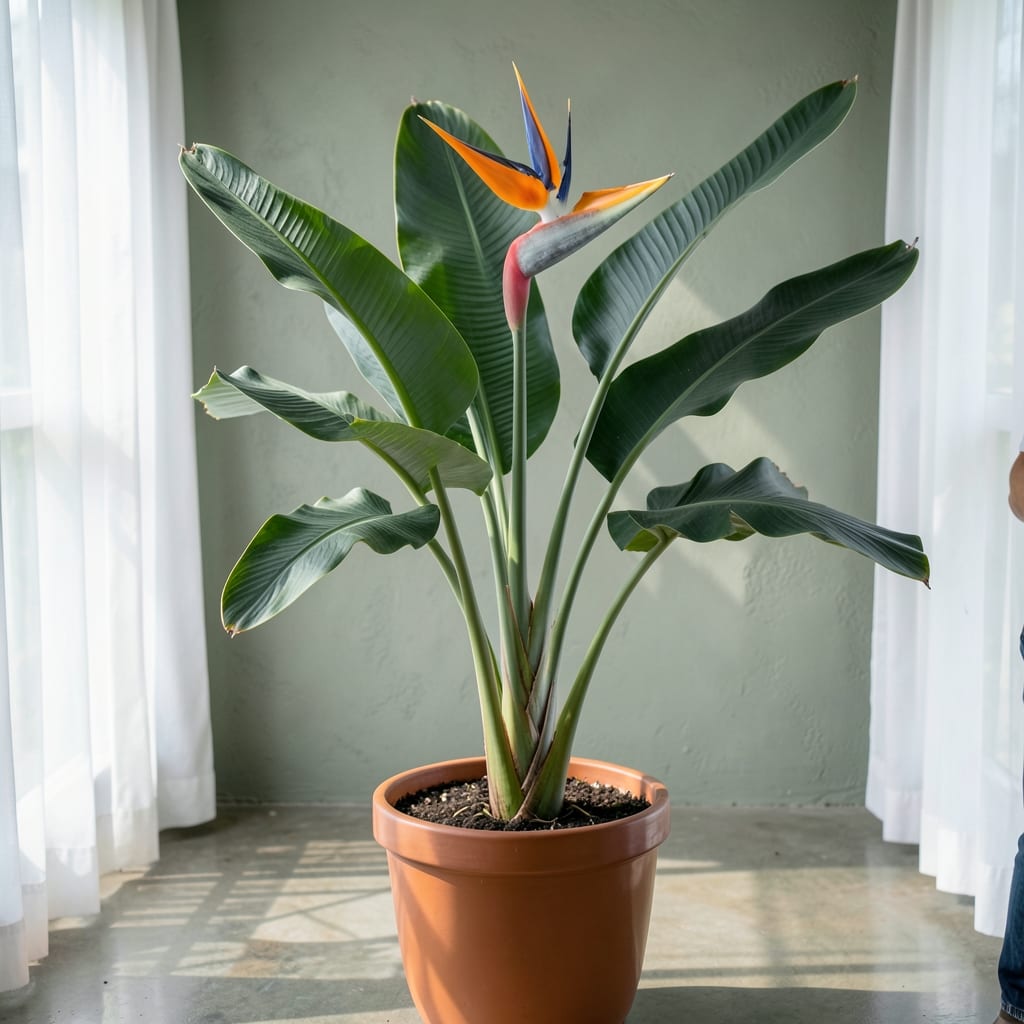
Wondering how tall that stunning 🌺 Bird of Paradise can grow in your garden? The answer might surprise you—this tropical showstopper can reach heights that dwarf most backyard plants, but its growth depends on more than just time.
If you're in USDA Zone 6a or warmer, you could be looking at a mature plant towering between 8 to 12 feet, with some varieties stretching even higher. That's taller than most people! The key difference lies between Strelitzia reginae (the classic orange-and-blue variety) and Strelitzia nicolai (the giant white bird of paradise), which can grow 30% taller under ideal conditions.
But here's the catch: proper sunlight, soil quality, and consistent care make all the difference in reaching that full height potential. Whether you're planning a dramatic garden statement or need to manage its growth in containers, understanding these factors will help you grow a bird of paradise that thrives exactly how you envision it.
Let's break down exactly what influences this plant's impressive height and how you can work with its natural growth patterns to create your perfect tropical oasis.


Bird of paradise maximum height by variety: what to expect in your garden
If you're planning your garden layout around a bird of paradise, knowing its mature height is essential. The classic Strelitzia reginae (Queen Bird of Paradise) typically reaches 6 to 8 feet in ideal conditions, while its cousin, Strelitzia nicolai (Giant White Bird of Paradise), can soar up to 12 feet or taller—making it one of the tallest ornamental plants for tropical landscapes.
Hybrid varieties often fall somewhere in between, offering a balance of dramatic height and manageable growth. For example, the Strelitzia augusta hybrid can reach 8 to 10 feet, perfect for creating a focal point in larger gardens or as a statement plant near patios.
Here’s how these varieties compare in terms of mature height, growth rate, and space requirements:
| Variety | Mature Height | Growth Rate | Space Needs |
|---|---|---|---|
| Strelitzia reginae | 6–8 ft | Moderate (1–2 ft/year) | 6–8 ft radius |
| Strelitzia nicolai | 10–12+ ft | Fast (2–3 ft/year) | 8–10 ft radius |
| Hybrid Varieties | 8–10 ft | Moderate-Fast | 6–8 ft radius |
Understanding these differences helps you choose the right variety for your space. For example, Strelitzia reginae works well in smaller gardens or as a container plant, while Strelitzia nicolai thrives in larger landscapes or as a backdrop for tropical-themed gardens.
One key factor to note is that bird of paradise plants grow slower in their first 2–3 years, reaching only 1–2 feet in height. This gradual growth allows you to plan ahead, especially if you're aiming for a specific height in your garden design.
For instance, if you plant a Strelitzia nicolai in your backyard, it may take 5–7 years to reach its full 10–12-foot height. This slow-and-steady growth makes it a long-term investment for your garden’s tropical aesthetic.
Another critical consideration is how these plants grow in USDA Zones 9–11. In colder zones like Zone 8, they may need protection or container growing to survive winter, which can slightly stunt their height growth compared to their tropical counterparts.
If you’re unsure which variety to choose, consider your garden’s layout and the visual impact you want. A Strelitzia reginae will add height without overwhelming smaller spaces, while a Strelitzia nicolai will create a stunning, towering focal point that draws the eye upward.
Pro tip: Measure your garden’s available space before planting. A bird of paradise needs room to spread its leaves and roots, so avoid planting it too close to walls or other structures—aim for at least 6 feet of clearance on all sides for optimal growth.
Factors that influence bird of paradise height: sun, soil & care secrets
Your bird of paradise’s height isn’t just about genetics—it’s heavily influenced by your growing conditions. The most critical factor is sunlight exposure. These tropical plants thrive in full sun (6+ hours daily), which fuels their rapid vertical growth. Without enough light, they’ll grow 20–30% shorter and produce fewer blooms, compromising their dramatic height potential.
Next up is soil quality. Well-draining, slightly acidic soil (pH 6.0–6.5) ensures strong root development, which directly supports taller growth. Heavy or waterlogged soil can stunt height by strangling roots and causing stress. Amend your soil with compost or sand to mimic their native tropical conditions.
Here’s how sunlight, soil, and care directly impact height:
- Full Sun: 6+ hours daily
- Well-draining soil: Sandy loam with compost
- Regular watering: Deep soaks weekly
- Balanced fertilizer: 6-10-10 NPK
- Partial shade: Slows growth by 30%
- Poor drainage: Roots suffocate, height drops
- Overwatering: Causes root rot
- No fertilizer: Nutrient deficiency
Watering habits also play a surprising role. While bird of paradise plants are drought-tolerant once established, inconsistent moisture can cause stunted growth spikes. Deep watering once a week (more in summer) ensures steady upward expansion. Avoid letting the soil dry out completely, as this triggers stress responses that limit height.
Pruning is another tool to control height. Strategic pruning in late winter removes old leaves and encourages new, taller growth. However, avoid heavy pruning—this can reduce height by up to 1 foot if overdone. For container-grown plants, pruning also helps manage their vertical spread in limited spaces.
Finally, temperature and hardiness zones matter. In USDA Zones 9–11, these plants grow to their full potential. In cooler zones like Zone 8, they may only reach 60–70% of their maximum height without winter protection. If you’re in a colder climate, consider growing them in large containers that you can move indoors during winter.
Pro tip: Monitor your plant’s growth rate annually. If it’s growing slower than expected (e.g., less than 1 foot per year for Strelitzia reginae), check sunlight, soil, and watering habits—these are the most likely culprits. Adjusting just one of these factors can often revitalize growth and help your bird of paradise reach its full height potential.