
Plants
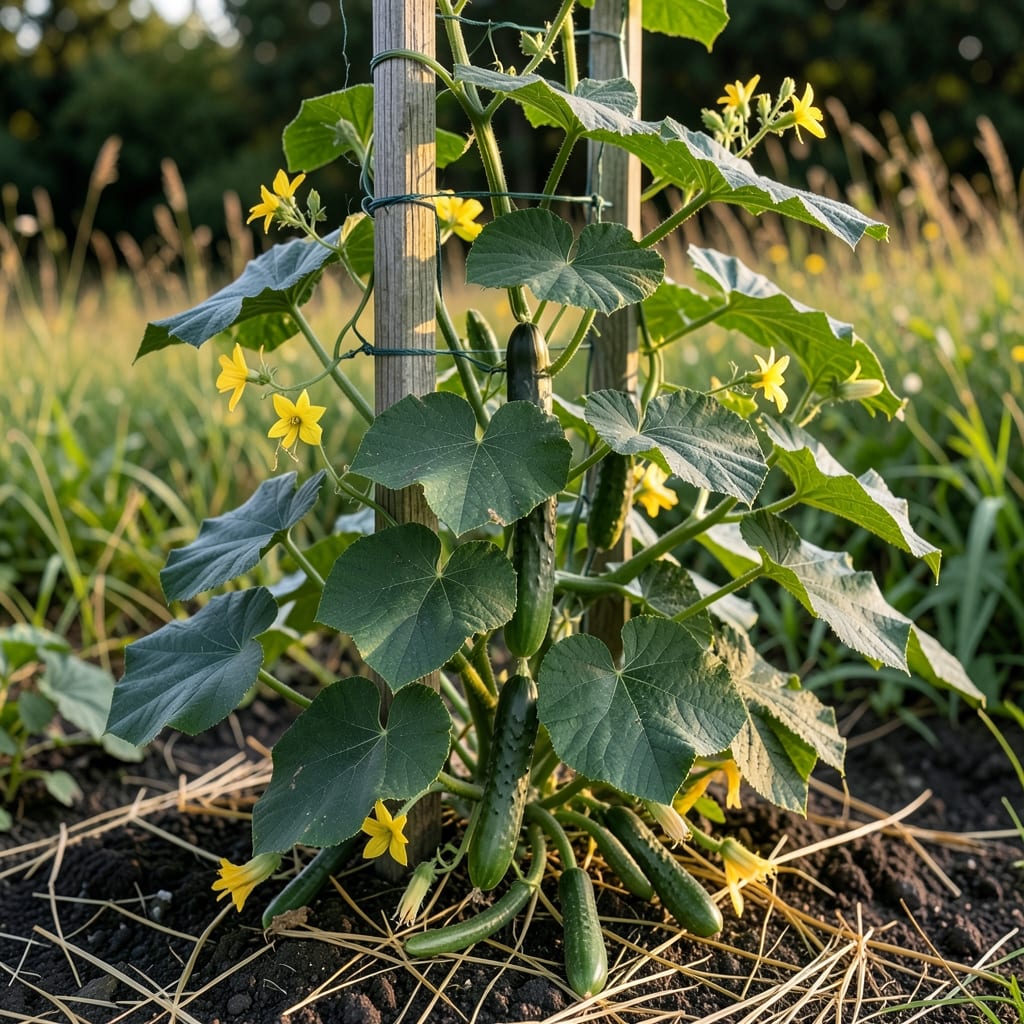
If you’ve ever watched a 🥒 cucumber plant spiral wildly across your garden, you might be wondering: just how tall can these vines really grow? The answer might surprise you—some varieties stretch over 20 feet if left unchecked, while others stay neatly compact at just 2-3 feet. The difference boils down to one key factor: whether you’re growing a sprawling vine or a bush variety.
For most gardeners, the height of cucumber plants isn’t just about curiosity—it’s about strategy. Vining types, like the classic ‘Straight Eight’, can climb like jungle vines if given the right support, while bush varieties like ‘Bush Champion’ stay manageable without trellises. But here’s the catch: without proper training, even the most compact cucumbers can become unruly, taking over your garden and reducing yields.
In this guide, I’ll break down the exact height ranges for different cucumber types, share proven trellising techniques to control their growth, and reveal 5 common mistakes that make plants either skyrocket or stunt. Whether you’re working with limited space or dreaming of a vertical garden, you’ll learn how to harness your cucumbers’ natural growth habits for a bountiful harvest.
Ready to transform your garden from chaotic sprawl to organized productivity? Let’s dive into the science—and practical tips—behind cucumber plant heights, so you can grow smarter, not harder.


Natural cucumber plant heights: vining vs bush varieties explained
Cucumber plants are famous for their dramatic growth habits—some varieties can stretch 20 feet or more if given the freedom, while others stay neatly contained at just 2 feet tall. The difference comes down to genetics: vining types are natural climbers, while bush varieties are bred to stay compact. Understanding these distinctions is crucial because it directly impacts how you’ll train, support, and harvest your plants.
Most vining cucumbers (like the classic Marketmore or Straight Eight varieties) can reach heights of 6 to 10 feet when trellised, but in wild conditions, they’ll sprawl even higher. Meanwhile, bush cucumbers (such as Bush Champion or Spacemaster) top out at 2 to 3 feet, making them ideal for small gardens or containers. The key takeaway? Your choice of variety determines whether you’ll need a trellis or can let them grow freely.
🥒 Extreme Growth Alert: In ideal conditions (warm soil, consistent moisture, and no pruning), some vining cucumbers have been documented reaching 30 feet or more. This isn’t just anecdotal—gardeners in tropical climates often report vines climbing fences, pergolas, and even nearby trees if left unchecked. Without support, these giants can smother nearby plants and create a tangled mess.
But here’s the science: cucumber vines grow indeterminately, meaning they keep extending as long as conditions are right. This is why trellising isn’t optional for vining types—it’s a necessity for both space management and plant health. Bush varieties, however, are determinate, growing to a set size before focusing their energy on fruit production. This makes them low-maintenance but less productive in small spaces compared to trained vining types.
Why Support Matters: When cucumber vines sprawl, they compete for sunlight, which reduces fruit quality and yield. Supported vines get better airflow, which cuts down on fungal diseases like powdery mildew. Plus, vertical growth keeps fruits cleaner and easier to harvest. For bush varieties, the lack of vining means you avoid these issues entirely—but you’ll miss out on the higher yields of trained climbers.
Let’s talk real-world examples. The Armenian cucumber (a vining type) can grow 15 to 20 feet in a single season, while the Diva bush cucumber stays under 3 feet. The difference in space efficiency is staggering: a single 10-foot trellis can support multiple vining plants, whereas bush varieties need 3 feet of space per plant to thrive. This is why urban gardeners and small-space growers often opt for trellised vining types.
Another factor is root depth. Vining cucumbers develop deeper roots to support their height, while bush types have shallower root systems. This means vining varieties are more drought-tolerant once established, but they also need richer, well-draining soil to fuel their growth. If your soil is poor, even the hardiest vining cucumber will struggle to reach its full potential height.
🌱 Pro Tip: If you’re growing vining cucumbers in containers, choose a variety like Little Leaf (which maxes out at 4 to 5 feet) and use a 5-gallon pot with a sturdy trellis. This balances their growth habits with limited space. For bush types, a 3-gallon pot is usually sufficient, but they’ll still benefit from a small cage or stake for stability.
Now, let’s break down the height ranges and what they mean for your garden:
| Variety Type | Mature Height | Growth Habit | Best For |
|---|---|---|---|
| Vining (Indeterminate) | 6–10+ ft (or higher) | Climbs, spreads widely | Trellises, large gardens, high yields |
| Bush (Determinate) | 2–3 ft | Compact, bushy | Containers, small spaces, low maintenance |
| Semi-Bush (Mini-Vining) | 3–6 ft | Moderate climbing | Balconies, small trellises, moderate yields |
🌱 Note: Heights vary by variety and growing conditions.
Choosing the right variety for your space is half the battle. For example, if you’re growing in a 4’x8’ raised bed, a vining cucumber like Sweet Success can produce 30% more fruit than a bush type—but only if you dedicate one corner to a trellis. Meanwhile, a bush cucumber like Bush Crystal will thrive in the same space without support, though you’ll sacrifice some yield.
One final consideration: temperature and daylight play a huge role in how tall your cucumbers grow. In hot climates (USDA Zones 8–10), vining cucumbers can grow 20% faster and reach greater heights than in cooler regions. This is why gardeners in the South often report 12-foot vines by mid-summer, while Northern growers might see 8-foot max unless they extend the season with row covers.
Understanding these natural growth patterns helps you plan your garden layout, choose the right supports, and avoid common pitfalls like overcrowding
Natural cucumber plant heights: vining vs bush varieties explained
Cucumber plants can vary dramatically in height depending on their variety, with some stretching like jungle vines and others staying compact like bushy shrubs. The most common vining varieties—like 'Straight Eight' or 'Marketmore 76'—can reach 10 to 20 feet if left unchecked, while bush varieties such as 'Bush Champion' or 'Spacemaster' typically max out at just 2 to 3 feet. This difference isn’t just about space; it also affects fruit production, disease risk, and ease of harvest.
Genetics play the biggest role in determining height. Vining cucumbers produce long, indeterminate growth stems that keep extending as long as conditions are ideal, while bush varieties have determinate growth—they stop growing once they reach maturity. Even within vining types, some hybrids (like 'Sweet Success') stay shorter at 6 to 8 feet without support, making them better for smaller gardens.
The environment also influences height. Cucumbers grown in full sun (6+ hours daily) and warm temperatures (70–90°F) will vine aggressively, while cooler conditions or shade can stunt growth. Poor soil nutrition or overcrowding can also lead to leggy, weak vines that sprawl instead of climbing efficiently. Understanding these factors helps you predict—and control—how tall your plants will grow.
🌱 Cucumber Variety Heights at a Glance
| Variety Type | Max Height | Growth Habit | Best For |
|---|---|---|---|
| Vining (e.g., 'Straight Eight') | 10–20 ft | Indeterminate | Trellises, large gardens |
| Semi-Bush (e.g., 'Sweet Success') | 6–8 ft | Semi-determinate | Small spaces, containers |
| Bush (e.g., 'Bush Champion') | 2–3 ft | Determinate | Small gardens, urban plots |
*Height varies with support, pruning, and growing conditions.
If you’ve ever seen cucumber vines climb a fence or trellis like a jungle gym, you’re witnessing their natural behavior. Without support, these vines can sprawl up to 20 feet, but with proper training, you can redirect their energy upward, saving space and improving air circulation. This is why trellising isn’t optional for vining types—it’s essential for healthy growth and higher yields.
For bush varieties, height control is less critical, but they still benefit from light staking to keep fruits off the ground and reduce disease risk. The key takeaway? Choose your variety based on your space and goals: vining types reward patience with bigger harvests (if managed well), while bush types offer low-maintenance convenience. Both can thrive in your garden—you just need to know how to guide their growth.
Next, we’ll explore trellising techniques that can cut sprawl by up to 80%, so you can grow cucumbers vertically without sacrificing yield. Whether you’re working with a balcony or a backyard, these methods will help you maximize every inch of space.