
How To
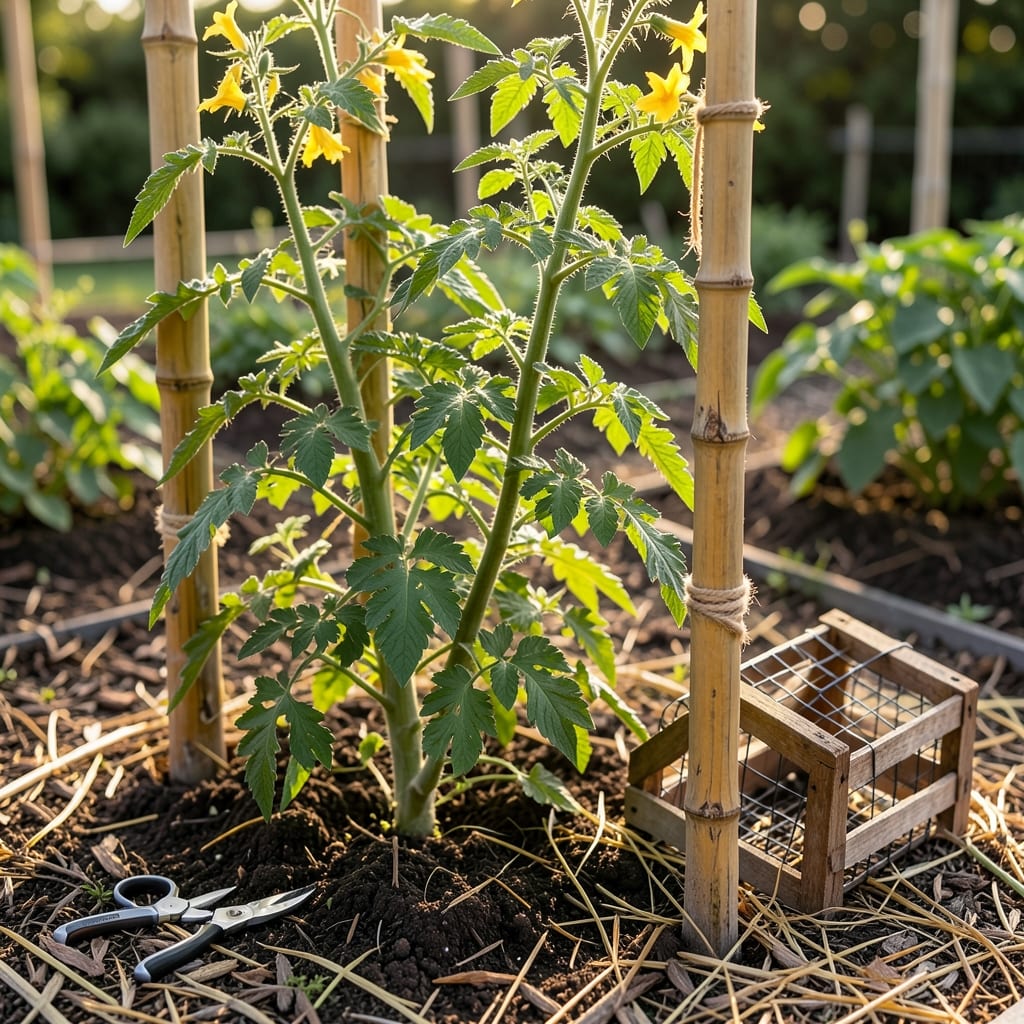
If you’ve ever wondered just how tall indeterminate tomatoes can grow—without any pruning at all—the answer might shock you. These vines aren’t just tall; they’re vertical giants, capable of reaching heights that dwarf most garden structures, sometimes even 20+ feet in ideal conditions.
Picture this: a 🍅 plant stretching taller than a basketball hoop, its sprawling vines heavy with ripe fruit. While most gardeners assume indeterminate tomatoes max out around 6-12 feet, the truth is far more dramatic. With the right climate, support, and care, these plants can grow far beyond what you’d expect, turning your garden into a lush, fruiting skyscraper.
But here’s the catch: unchecked growth comes with challenges. Without proper support or pruning, these towering plants risk disease, fruit quality issues, or even snapping under their own weight. That’s why understanding their growth potential—and how to manage it—is the key to a bountiful harvest.
In this guide, I’ll break down everything you need to know: from the biological limits of indeterminate tomatoes to real-world examples of record-breaking vines, plus practical tips for keeping them healthy and productive. Let’s get growing!


Unpruned height limits: how tall indeterminate tomatoes can grow naturally
Indeterminate tomatoes are the vertical champions of the garden world, capable of growing far beyond the 6-8 feet most gardeners expect. In ideal conditions—warm climates, abundant sunlight, and minimal stress—these vines can reach 12 to 20 feet or even taller. The key lies in their genetic structure: unlike determinate varieties, which grow to a fixed size, indeterminate tomatoes keep producing new growth from their tips, creating an endless vine.
Think of them as natural climbers, though they lack tendrils like grapes or beans. Instead, they rely on stems that grow thicker and woody over time, capable of supporting their own weight—though only up to a point. Without support, vines can flop or snap, especially when laden with heavy fruit. This is why understanding their natural height limits is crucial for planning your garden layout and support systems.
Here’s the biological breakdown: indeterminate tomatoes grow by producing new leaves and stems continuously from the terminal bud. Each new segment can add 6 to 12 inches of growth per week during peak season, especially in hot, humid climates like Florida or Texas. Some gardeners in these regions report vines exceeding 25 feet, though this requires exceptional care and support.
🌱
| Factor | Typical Range | Extreme Cases |
|---|---|---|
| Natural Height (Unpruned) | 6–12 feet | 15–25+ feet (with ideal conditions) |
| Growth Rate (Peak Season) | 6–12 inches/week | Up to 18 inches/week (hot climates) |
| Vine Diameter (Mature) | 1–2 inches | Up to 3 inches (woody stems) |
| Leaf Density | Moderate (6–10 leaves per foot) | High (12+ leaves per foot, dense canopies) |
| Root System Depth | 18–24 inches | 30+ inches (deep, fibrous roots) |
One of the most misunderstood aspects of indeterminate tomato growth is their vine strength. While they can grow tall, their stems aren’t as robust as, say, a grapevine or pole bean. Without support, a 15-foot vine can easily snap under the weight of 10+ pounds of fruit. This is why trellising or caging isn’t just about organization—it’s about preventing structural failure.
Another critical factor is fruit load. Indeterminate tomatoes produce continuous blooms and fruit throughout the season, which can overwhelm the plant if not managed. Heavy fruit clusters low on the vine can drag branches down, causing them to break or rot. Pruning to limit fruit per vine (especially in high-yielding varieties like 'Sungold') can actually extend the plant’s lifespan and improve fruit quality.
Climate plays a huge role in how tall indeterminate tomatoes grow. In cool, short-season climates (e.g., USDA Zone 5), vines may only reach 6–8 feet before the first frost. But in long, hot growing seasons (e.g., Zone 10+), they can keep growing well into fall, sometimes until December. The longer the growing season, the taller the potential height.
🌿
If you’re dreaming of 20-foot tomato vines, you’ll need to plan accordingly. Start with a strong support system, like a 9-foot tomato cage or a sturdy trellis, and be prepared to train the vine upward regularly. Use soft ties (e.g., garden twine or old T-shirts) to avoid damaging the stems, and prune suckers aggressively to direct energy into vertical growth rather than bushy sprawl.
Finally, remember that height isn’t everything. While tall vines are impressive, the goal is healthy, productive plants. If your indeterminate tomatoes are growing too fast with few leaves and lots of weak stems, they’re likely overgrown and stressed. In this case, pruning back by 25–30% can rebalance the plant and improve fruit production.
✂️
Unpruned height limits: how tall indeterminate tomatoes can grow naturally
Indeterminate tomatoes are famous for their unlimited growth potential, but just how tall can they get? Without pruning or support, these vines can reach 12–18 feet in ideal conditions, though some varieties—like 'Black Krim' or 'Cherokee Purple'—have been documented climbing to 20+ feet in perfect climates. Their growth is driven by genetics, where each vine grows continuously from the terminal bud, creating a vertical jungle of leaves and fruit.
The biological limit depends on three key factors: genetics, environmental conditions, and support structure. In tropical or subtropical climates (like Florida or Texas), indeterminate tomatoes thrive year-round, pushing heights beyond what’s possible in cooler regions. Even in temperate zones, a single vine can exceed 10 feet if left unchecked, though disease risk and structural stress often cap natural growth at 15 feet.
🌱
| Factor | Impact on Height | Notes |
|---|---|---|
| Genetics | 12–25+ ft | Varieties like 'Sungold' (10–15 ft) vs. 'Brandywine' (15–20 ft). |
| Climate | 10–18 ft | Warmer zones (Zones 8–11) enable taller growth. |
| Support | 5–12 ft | Untrained vines sprawl; staked vines grow vertically. |
| Pruning | 3–8 ft | Heavy pruning reduces height but boosts fruit quality. |
One common misconception is that indeterminate tomatoes will always grow to 20+ feet. In reality, uncontrolled growth leads to compromised fruit quality and increased disease susceptibility. Without proper airflow, lower leaves become a breeding ground for blight and fungal infections, while the weight of the vines can snap stems or cause roots to struggle. Even the hardiest varieties, like 'Beefsteak', rarely exceed 15 feet without human intervention.
For gardeners in small spaces or cooler climates, the natural height of indeterminate tomatoes can be a double-edged sword. While their vertical growth is impressive, it often requires heavy-duty trellising or cage systems to prevent collapse. In my own garden, I’ve seen 'Sungold' vines reach 12 feet by mid-summer, but only when trained on a 10-foot tomato tower. Without support, the same plant would sprawl uncontrollably, risking lost fruit.
If you’re dreaming of a 20-foot tomato vine, you’ll need more than just space—you’ll need ideal conditions: full sun, rich soil, and a climate without early frosts. Even then, managing such a massive plant requires regular pruning to direct energy toward fruit production rather than endless vine growth. The trade-off? A higher yield of larger, healthier tomatoes—but with the effort of maintaining a green skyscraper in your backyard.
🌿