
Size
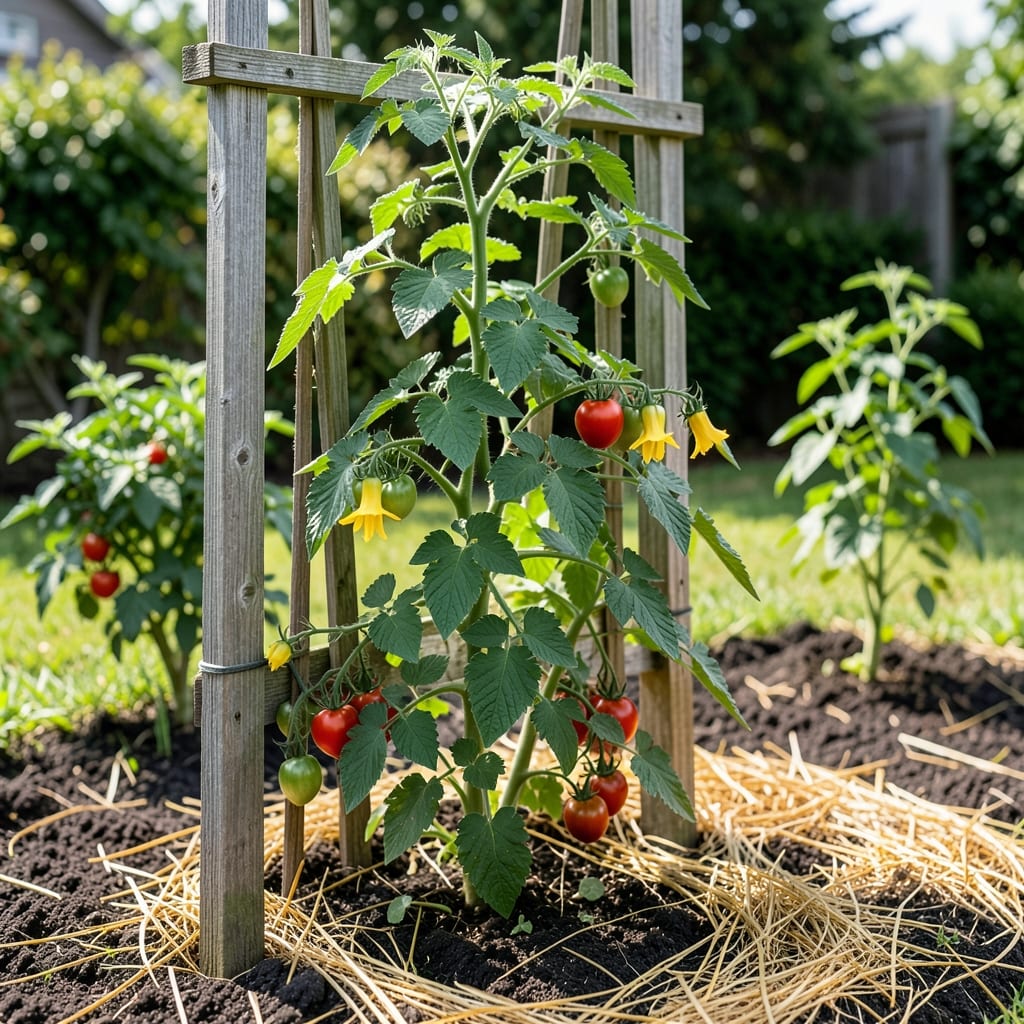
Have you ever stared at your 🍅 tomato plants and wondered how tall tomatoes can grow? The answer lies in the incredible range of tomato heights—from 1-foot dwarf varieties to 12-foot giants that need serious support. This isn't just about space; it's about choosing the right variety for your garden and knowing how to guide their growth.
If you're dreaming of a backyard tomato jungle or just want a few compact plants for your patio, understanding these height differences is the key. Some tomatoes naturally stay small, while others grow like vines on steroids—unless you intervene. The good news? With the right techniques, you can control their height and maximize your harvest, no matter your garden size.
Let's break down the science behind tomato heights—why some varieties reach for the sky while others stay humble—and how you can learn how to manage them. Whether you're dealing with a 6-foot bush or a 10-foot tower, these tips will help you grow healthier, happier tomatoes that fit your space perfectly.
From pruning to trellising, we'll cover everything you need to know to keep your tomatoes at the ideal height for your garden. Ready to discover how to turn your tomato patch into a thriving, well-managed paradise?


Tomato height variations: from dwarf to sky-high giants (with exact measurements)
Tomatoes aren't one-size-fits-all when it comes to height. The genetic differences between varieties create a spectrum from bushy midgets to vine-like giants. Understanding these categories helps you choose the perfect plant for your space and growing style. Determinate tomatoes grow to a fixed height, while indeterminate types keep climbing until frost—sometimes reaching 12 feet or more!
Climate plays a surprising role too. Warmer regions often produce taller, more vigorous indeterminate varieties, while cooler climates may see stunted growth in heat-loving giants. Even within the same variety, your local conditions can push plants 2-3 feet taller or shorter than average. This is why seeing real-world measurements matters more than just reading descriptions.
Here's where things get interesting: some dwarf varieties stay under 2 feet while their cousins grow like jungle vines. The key difference lies in their growth habits—whether they set all their fruit at once or produce continuously. Let's explore the exact height ranges you can expect from common tomato types.
| Variety Type | Height Range | Growth Habit | Best For | Notes |
|---|---|---|---|---|
| Dwarf Tomatoes | 1-3 ft | Determinate | Containers, windowsills | 'Tiny Tim', 'Patio Princess' - Compact with high yields |
| Semi-Determinate | 3-5 ft | Semi-Indeterminate | Small gardens, cages | 'Celebrity', 'Roma' - Moderate height with continuous fruiting |
| Standard Indeterminate | 5-8 ft | Indeterminate | Trellises, large gardens | 'Sungold', 'Brandywine' - Need strong support |
| Giant Varieties | 8-12+ ft | Indeterminate | Vertical gardens, greenhouses | 'Cherokee Purple', 'Beefsteak' - Require pruning |
| Cherry Tomatoes | 4-10 ft | Both types | Hanging baskets, trellises | 'Sweet Million' (indeterminate), 'Tumbling Tom' (determinate) |
The dwarf varieties like 'Tiny Tim' are perfect for containers on patios or balconies. These little powerhouses produce hundreds of tomatoes in just 2-3 feet of space, making them ideal for small gardens or urban growers. Their compact size means you can grow them in 5-gallon buckets or window boxes without needing support structures.
On the opposite end, indeterminate giants like 'Cherokee Purple' can reach 12 feet if left unchecked. These varieties grow continuously throughout the season, producing fruit until the first frost. Without proper support, they'll sprawl across your garden like unruly vines. The good news is that with trellising or stakes, you can train them vertically and save space.
Semi-determinate varieties offer a middle ground with heights between 3-5 feet. These work well in cage systems or with minimal staking. They'll produce fruit all season but won't get as tall as their indeterminate cousins. 'Celebrity' tomatoes are a great example—producing high yields in a manageable height that fits most backyard gardens.
One common misconception is that taller tomatoes always produce more fruit. While some giant varieties do yield heavily, many dwarf varieties actually produce more tomatoes per square foot due to their dense growth habit. The key is matching your variety to your space and growing goals rather than assuming bigger always means better.
Your local climate also affects height significantly. In hotter regions, indeterminate varieties may grow 30% taller than in cooler zones. This is because heat accelerates vine growth. Conversely, in shorter growing seasons, you might see stunted growth if plants don't get enough time to mature. Always check your local last frost date when selecting varieties.
For container growers
12-Foot tomatoes vs. balcony-friendly varieties: which one should you grow?
Choosing the right tomato variety depends entirely on your space—whether you have a sprawling backyard or just a sunny windowsill. The difference between a 12-foot vine and a 1-foot patio tomato isn't just about height; it's about yield, maintenance, and even flavor. If you're dreaming of cherry tomatoes that spill over your fence, you'll need indeterminate varieties. But if you're working with limited space, compact bush tomatoes might be your best bet.
Let’s compare the extremes: Sungold (a 6-10 foot climber) versus Tiny Tim (a 1-2 foot dwarf). The first will need a sturdy trellis and regular pruning, while the second thrives in 5-gallon pots. Both produce delicious fruit, but their care requirements couldn’t be more different. Your garden’s size—and your willingness to prune—will determine which variety wins your harvest.
The key to picking the right tomato lies in understanding your garden layout and growth goals. Do you want quick, easy harvests with minimal upkeep, or are you ready to invest time in training vines for maximum yield? The choice affects everything from staking needs to harvest frequency. Let’s break down the pros and cons so you can decide what fits your lifestyle—and your space.
🌱 12-Foot Giants (Indeterminate Varieties)
- Higher yield per plant
- Longer harvest season
- Great for trellising/saving space
- Requires strong support
- Needs frequent pruning
- Sensitive to wind
- Large gardens
- Vertical gardening
- Long harvests
- Sungold (6-10 ft)
- Brandywine (8-12 ft)
- Cherokee Purple (6-10 ft)
🌿 Balcony-Friendly Dwarfs (Determinate Varieties)
- Perfect for containers
- Low maintenance
- Quick harvest (60-70 days)
- Lower yield per plant
- Shorter harvest window
- Limited to small spaces
- Patios/balconies
- Beginner gardeners
- Small containers
- Tiny Tim (1-2 ft)
- Patio Princess (2-3 ft)
- Balcony Red (1-2 ft)
If you're short on space but still want a bountiful harvest, consider semi-determinate varieties like Roma or Celebrity, which grow 3-5 feet tall and produce consistently without needing endless pruning. These are the goldilocks of tomatoes—just right for medium-sized gardens or raised beds. They offer a balance between height and manageability, making them ideal for gardeners who want flavor without the fuss of giant vines.
Remember, even indeterminate varieties can be tamed with the right techniques. A sturdy cage or trellis can turn a 12-foot monster into a well-behaved vertical garden. And if you're growing in containers, choose dwarf or bush varieties to avoid root-bound stress. The right variety isn’t just about height—it’s about matching your garden’s personality to your tomato’s potential.
Now that you know the options, grab your pruners and pick the perfect tomato for your space. Whether you're scaling walls with Sungold or snipping cherries from Tiny Tim, your garden will thank you for the thoughtful choice. Happy growing! 🌱