
Size
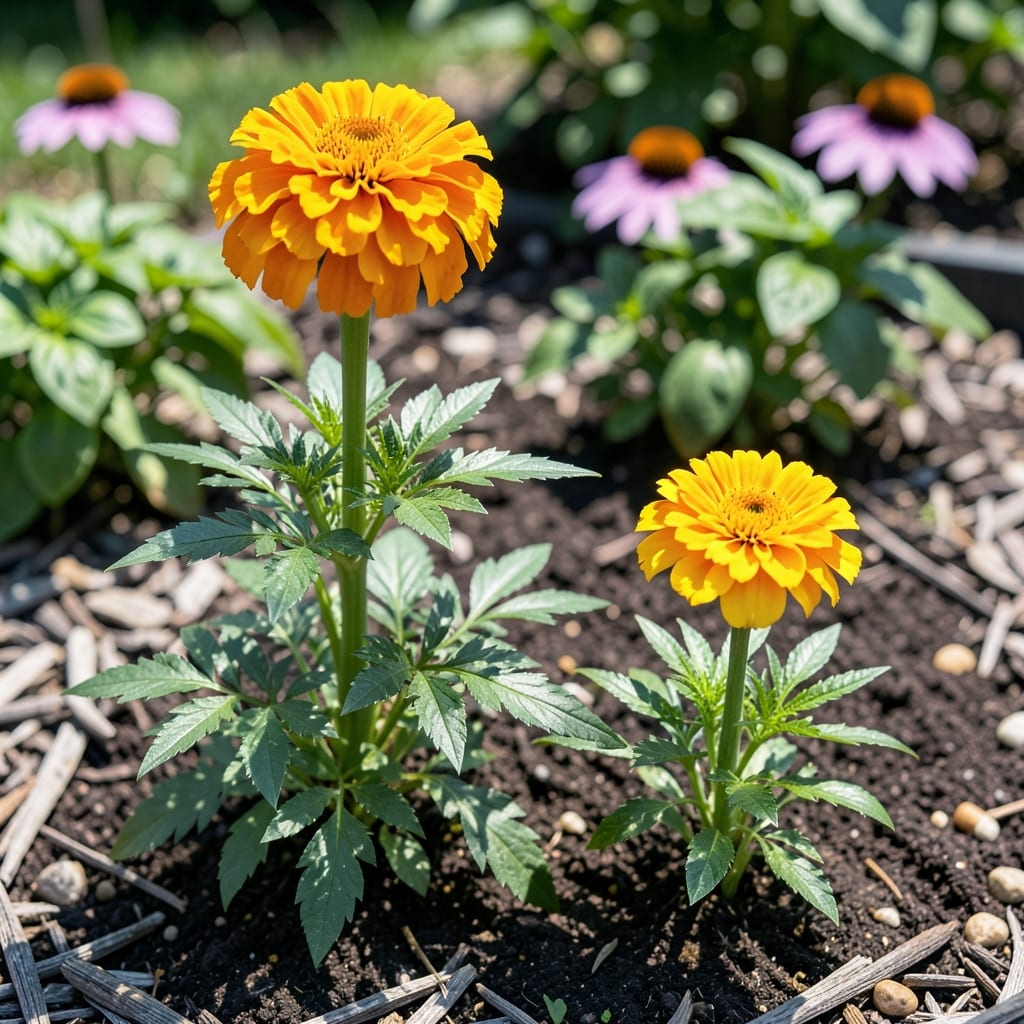
If you’ve ever wondered how tall can marigolds grow, you’re not alone—these cheerful 🌼 flowers can surprise you with their range, from tiny patio darlings to towering backyard stars. The truth is, their height depends entirely on the variety you choose, with some barely reaching your knees and others stretching nearly as high as your waist.
Picture this: a dwarf marigold spilling over a window box at just 6 inches tall, while a tall African marigold stands proudly at 4 feet or more. Whether you’re designing a cozy container garden or a bold border, knowing these differences lets you pick the perfect fit for your space.
But height isn’t just about genetics—soil, sunlight, and even pruning habits play a starring role. Too much shade? Your marigolds might stay short and leggy. Skip the pruning? They could flop instead of flourish. I’ll break down the key factors that turn your marigolds into the showstoppers you envision.
Ready to discover the perfect marigold for your garden’s height needs? Let’s dive into the varieties that will make your outdoor space pop—no matter how big (or small) you dream.

Marigold height ranges: dwarf to giant varieties explained
Marigolds aren’t one-size-fits-all—some stay small enough for window boxes, while others reach heights that make them perfect for tall borders. The key to understanding their growth lies in their three main height categories: dwarf, medium, and tall. Each category includes popular varieties with distinct characteristics that can transform your garden’s layout.
For example, French marigolds like 'Bonanza' or 'Vanilla Twist' typically stay between 12 to 24 inches tall, making them ideal for container gardens or front-of-bed planting. Meanwhile, African marigolds, such as 'Crackerjack' or 'Tangerine Dream', can soar to 3 to 4 feet, creating dramatic vertical interest in your landscape.
Even within these categories, individual varieties can vary. A dwarf marigold like 'Tiny Gold' might only reach 6 inches, while a tall variety like 'Jingle Bells' can stretch to 36 inches. These differences mean you can mix and match to create layers in your garden, from low-growing ground covers to towering focal points.
But why does height matter? The answer is simple: space planning. A 4-foot marigold planted too close to a 1-foot dwarf will overshadow it, while a tall variety in a small pot might flop over. Understanding these ranges helps you avoid crowding and ensures every plant gets the sunlight and airflow it needs to thrive.
Now, let’s break down the specifics with a quick reference table to help you visualize the differences:
| Category | Height Range | Popular Varieties | Best For |
|---|---|---|---|
| Dwarf | 6" - 18" | 'Tiny Gold', 'Baby', 'French Vanilla' | Containers, window boxes, front borders |
| Medium | 18" - 24" | 'Bonanza', 'Vanilla Twist', 'Jingle Bells' | Mid-border planting, mixed beds |
| Tall | 24" - 48" | 'Crackerjack', 'Tangerine Dream', 'African Sun' | Back borders, tall planters, focal points |
Even within these categories, individual varieties can vary. For instance, signet marigolds, like 'Petite Gold', often stay under 12 inches tall, making them perfect for edging or rock gardens. Meanwhile, African marigolds like 'Heatwave' can reach up to 4 feet, providing a striking backdrop for shorter flowers.
One common misconception is that all marigolds grow tall. In reality, dwarf varieties are specifically bred to stay compact, while tall varieties are designed for height. Choosing the right variety for your space ensures your marigolds won’t outgrow their welcome or get lost in the garden.
For example, if you’re working with a small balcony garden, a dwarf French marigold will thrive in a 10-inch pot, while a tall African marigold would need a 12-inch pot or larger to support its height. Always check the mature height on seed packets to avoid surprises.
Another factor to consider is how marigolds fill out as they grow. Some varieties, like 'Bonanza Mix', grow bushy and wide, while others, like 'Tangerine Dream', have longer stems and may need staking to stay upright. This distinction is crucial for creating a balanced and aesthetically pleasing garden layout.
Understanding these height ranges also helps with companion planting. Pairing a tall marigold like 'Crackerjack' with a low-growing basil creates a beautiful contrast, while a dwarf marigold like 'Baby' can tuck neatly among petunias in a hanging basket. The possibilities are endless once you know the height potential of each variety.
Factors that influence marigold height: sunlight, soil, and pruning
Marigolds may have genetic height limits, but your growing conditions can push them toward—or away from—their full potential. Sunlight is the most critical factor: African marigolds need 6-8+ hours of full sun daily to reach their towering heights, while French marigolds can thrive with just 4-6 hours but may stay shorter. Without enough light, any variety risks becoming leggy and weak, struggling to support its own weight.
Next up is soil quality. Marigolds crave well-draining, nutrient-rich soil with a pH between 6.0 and 7.5. Heavy clay or sandy soil can stunt growth, while adding compost or aged manure gives them the boost they need to reach their mature height. I’ve seen African marigolds in poor soil top out at just 2 feet instead of their usual 4 feet—a dramatic difference!
Don’t overlook watering habits, either. While marigolds are drought-tolerant, inconsistent moisture can cause stunted growth or blossom end rot. Water deeply once or twice a week, focusing on the soil around the roots rather than the leaves. Overhead watering can lead to fungal diseases that weaken stems, making taller varieties more prone to flopping.
French marigolds: 4-6 hours (partial sun) for compact growth
Nutrients: Add compost for taller growth
Avoid: Overhead watering (prevents disease)
Deadhead: Regularly to promote taller stems
Timing: Every 4-6 weeks during growing season
Pruning is another game-changer for height control. If you want taller marigolds, avoid heavy pruning—just deadhead spent blooms to redirect energy upward. For compact, bushier varieties, pinch back the tips of young plants to encourage branching. I’ve seen French marigolds that would’ve grown to 2 feet stay under 1 foot with aggressive pinching—perfect for window boxes!
Finally, fertilizer choices can make or break your marigolds’ height goals. A balanced 5-10-10 NPK fertilizer applied every 4-6 weeks during the growing season promotes steady, strong growth. Too much nitrogen? You’ll get lush foliage but fewer blooms—and shorter stems. Always follow the "less is more" rule: marigolds prefer moderate feeding over heavy doses.
With the right mix of sunlight, soil, water, and pruning, you can coax your marigolds to hit their genetic height potential—or even push them just a little further. Experiment with these factors in your own garden, and you’ll soon have marigolds that are the perfect height for your vision. 🌼