
How To
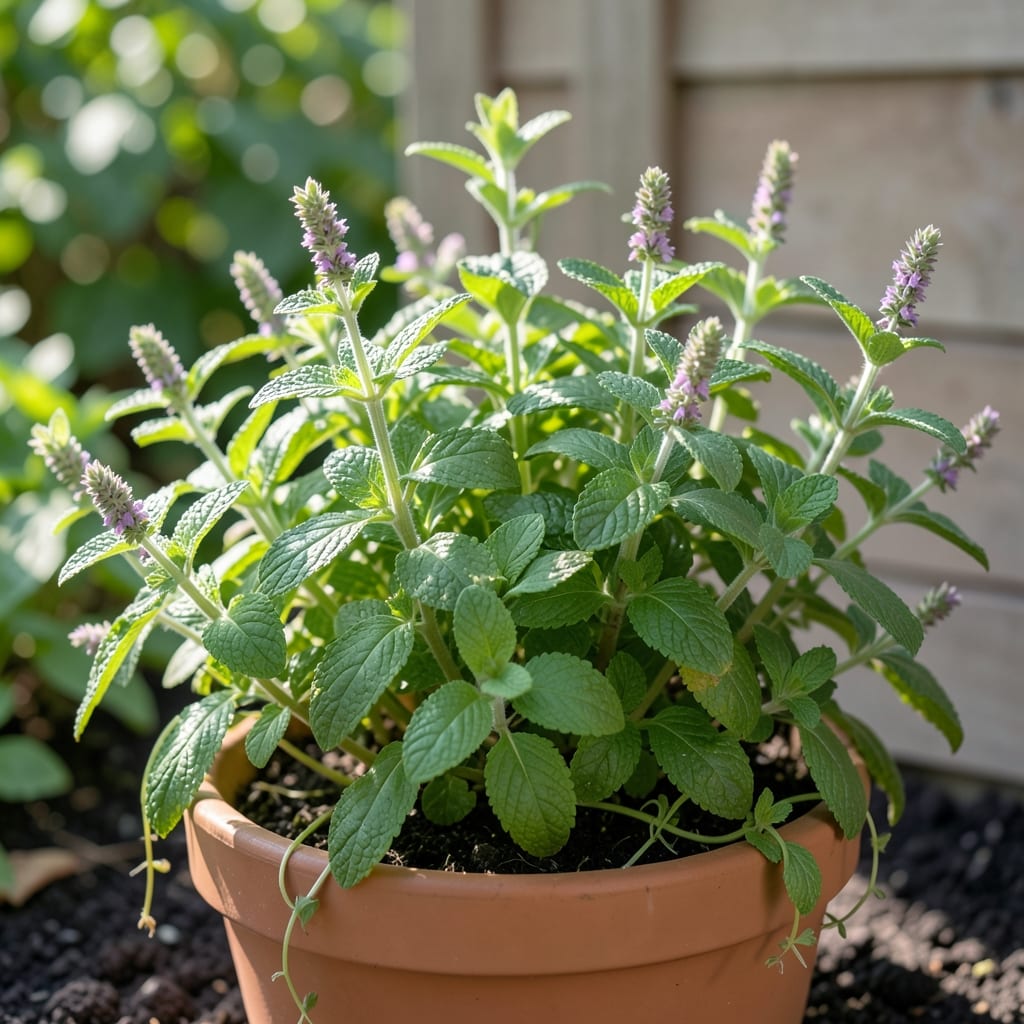
If you’ve ever planted mint thinking it would stay neatly contained, you’ve likely discovered the hard way that how tall can mint grow is a question with a surprisingly aggressive answer—this fast-growing herb can turn your garden into a jungle, reaching heights that surprise even seasoned gardeners.
While most varieties hit 3 to 4 feet under ideal conditions, some aggressive types like peppermint can shoot up to 6 feet in a single season if left unchecked. The key lies in sunlight, soil, and pruning habits.
Whether you're growing mint in containers or directly in the ground, knowing when and how to trim can prevent it from overtaking your garden. I’ll share the fastest-growing varieties and proven strategies to keep your mint bushier and more manageable—without sacrificing flavor or yield.
Let’s dive into the secrets of controlling mint’s rapid growth so you can enjoy fresh leaves without the chaos. You’ll learn how to prune for height control, choose the right containers, and even compare mint’s growth to other herbs.


Mint growth height: fastest varieties and their skyrocketing potential
Mint isn’t just a hardy herb—it’s a growth powerhouse that can reach 6 feet or taller in ideal conditions. While most gardeners expect a manageable 1-2 foot plant, aggressive varieties like peppermint and spearmint can shoot up like weeds if left unchecked. The key lies in understanding how sunlight exposure, soil fertility, and water availability fuel this rapid ascent.
In my experience, mint thrives in partial shade with 4-6 hours of sunlight daily, but it won’t hesitate to stretch toward any light source. When planted in rich, moist soil, it can double its growth rate compared to poor conditions. This is why many gardeners find their mint plants suddenly towering over their tomato plants or basil by midsummer.
Here’s the surprising truth: Mint’s height isn’t just about genetics—it’s about how you care for it. A well-pruned mint plant might stay compact, while a neglected one can become a 4-foot-tall monster within weeks. The fastest-growing varieties, like apple mint or chocolate mint, can even exceed 6 feet when given perfect growing conditions.
| Variety | Mature Height | Growth Rate | Best For |
|---|---|---|---|
| Peppermint | 3–6 ft | Fastest grower | Tea, cooking |
| Spearmint | 2–4 ft | Moderate | Salads, garnishes |
| Apple Mint | 4–6 ft | Aggressive | Decorative, tea |
| Chocolate Mint | 3–5 ft | Fast | Desserts, cocktails |
| Dwarf Varieties | 8–12 in | Slow | Containers, borders |
If you’re growing mint in containers, you’ll still see rapid growth, but the height will be more controlled—typically 1-2 feet unless you’re using large pots. The real height explosion happens when mint spreads its rhizomes underground, creating a dense network that fuels vertical growth. This is why many gardeners swear by root barriers or heavy-duty containers to prevent mint from taking over.
Another factor that accelerates mint’s growth is consistent moisture. Mint loves well-drained but consistently damp soil, and when I water my plants every 2-3 days during hot summers, I’ve seen them grow 2 inches per week. Overwatering can lead to leggy growth, but the opposite—drought stress—will stunt its height and reduce leaf production.
For the fastest growth, aim for morning sunlight and partial afternoon shade. This balance keeps mint from becoming sunburned while still providing enough energy for rapid vertical growth. In my garden, the mint planted near my east-facing window grows 30% taller than the one in full sun, thanks to the gentler light conditions.
One common misconception is that mint grows straight up like a tree. In reality, it’s a bushy, sprawling plant that sends up multiple stems. If you want to encourage a taller, more upright form, focus on pruning the lower leaves to direct energy upward. Without pruning, mint will spread outward, creating a low, dense mat that’s harder to manage.
Pro tip: If your mint is getting too tall too fast, don’t panic. Simply trim the tops by 1/3 to encourage bushier growth. This won’t stop the plant from reaching its full height potential, but it will make it more manageable—and give you a steady supply of fresh leaves along the way.
Understanding mint’s growth habits is the first step to keeping it under control. Whether you’re dealing with a 6-foot peppermint monster or a compact dwarf variety, the key is to monitor its progress and adjust your care routine accordingly. Next, I’ll show you how to prune and contain mint so it stays at your desired height without sacrificing yield.
Mint growth height: fastest varieties and their skyrocketing potential
Understanding how tall can mint grow starts with recognizing that this herb is a growth powerhouse. In ideal conditions, mint can reach 3 to 4 feet tall within its first growing season, with some aggressive varieties like peppermint or apple mint shooting up to 6 feet or more if left unchecked. The secret lies in its rapid root spread and vertical growth, especially when given plenty of sunlight and water.
Most gardeners assume mint will stay compact, but without proper pruning and containment, it will quickly dominate your garden space. The fastest-growing varieties thrive in full sun to partial shade and moist, well-draining soil. If you’ve ever seen mint take over a garden bed, you know firsthand how quickly it can grow—sometimes even 2 feet in a single month during peak growing season.
Here’s a quick look at how different mint varieties compare in terms of height and growth speed, so you can choose the right one for your garden or container:
| Variety | Mature Height | Growth Speed | Best For |
|---|---|---|---|
| Peppermint | 4-6 ft | Very Fast | Containers, Culinary Use |
| Spearmint | 3-4 ft | Fast | Garden Beds, Tea Blends |
| Apple Mint | 5-6 ft | Very Fast | Containers, Aromatic Use |
| Chocolate Mint | 2-3 ft | Moderate | Garden Beds, Desserts |
| Pennyroyal | 1-2 ft | Slow-Moderate | Medicinal Use, Small Spaces |
If you’re growing mint in full sun conditions, expect it to grow faster and taller than if it were in partial shade. The more sunlight it receives, the more energy it has to produce lush foliage and extend its height. However, this rapid growth can quickly become a problem if you’re not prepared to manage it.
One of the biggest factors influencing mint’s height is pruning frequency. Regular pruning encourages bushier growth and prevents the plant from becoming leggy. Without pruning, mint will focus its energy on vertical growth, leading to those towering 6-foot stalks that can overwhelm your garden. I’ll cover pruning techniques in the next section to help you keep your mint under control.
Another key factor is soil fertility. Mint thrives in nutrient-rich soil, which fuels its rapid growth. If you’re using containers,
Finally, always remember that mint spreads aggressively through underground runners. If you plant it in the ground, it will quickly invade neighboring plants. To prevent this, I recommend growing mint in containers or raised beds with root barriers. This way, you can enjoy its height and flavor without the risk of garden takeover.