
Vegetables
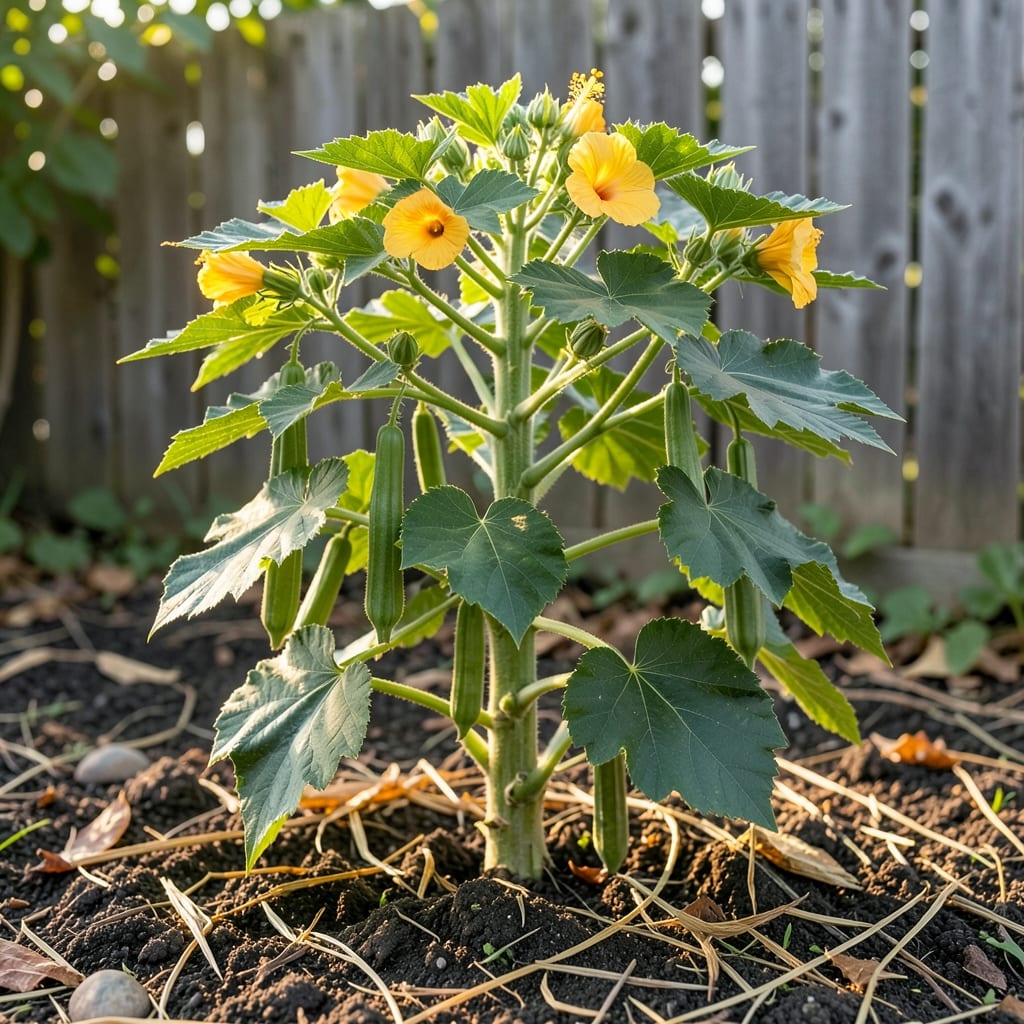
If you're dreaming of a vegetable patch that reaches for the sky, how tall can okra plants grow—some varieties can soar to 10 feet or more! Whether you're working with limited space or hoping to create a lush vertical garden, understanding how tall your okra can grow is the first step to maximizing your harvest.
Okra isn’t just about height—it’s about speed. These plants can grow 2-3 feet per month under ideal conditions, making them one of the quickest vegetables to mature. But not all okra is created equal: dwarf varieties stay compact, while standard and towering types stretch tall, offering something for every gardener’s needs.
Curious about which varieties will dominate your garden? I’ll break down the tallest performers and share tips to help your okra reach its full potential—whether you’re growing in containers, raised beds, or open soil. Let’s get your okra growing like never before!
From choosing the right variety to providing the perfect care, you’ll discover how to turn your okra into a towering, productive powerhouse. Ready to watch your garden grow taller than ever?


Okra plant height guide: fastest-growing varieties and their peak heights
Okra plants are famous for their rapid growth, but did you know some varieties can reach 10 feet tall or more? If you're planning your garden layout, understanding how tall your okra will grow is crucial. The height of your okra plants depends on the variety, growing conditions, and care you provide. Let’s explore the tallest and shortest okra types so you can choose the perfect fit for your space.
Tall okra varieties like Clemson Spineless can grow up to 10 feet with proper care, while dwarf varieties like Emerald stay between 3-5 feet. The right spacing and support can help maximize your harvest, whether you're growing in containers, raised beds, or open ground. Let’s dive into the specifics of each variety and how to care for them to reach their full potential.
🌱
| Variety | Mature Height | Growth Rate | Ideal Spacing |
|---|---|---|---|
| Clemson Spineless | 8-10 ft | 2-3 ft/month | 24-36 inches apart |
| Emerald | 3-5 ft | 1-2 ft/month | 12-18 inches apart |
| Red Burgundy | 6-8 ft | 1.5-2.5 ft/month | 18-24 inches apart |
| Arkansas Little Light | 4-6 ft | 1-2 ft/month | 12-18 inches apart |
| Jinbu | 5-7 ft | 1.5-2 ft/month | 18-24 inches apart |
The Clemson Spineless variety is one of the fastest-growing okra types, often reaching 10 feet in just a few months. This makes it ideal for gardeners with vertical space or those looking to maximize yield in a small area. On the other hand, Emerald is a dwarf variety that stays compact, perfect for containers or small gardens where height isn’t a concern.
For those in USDA Zone 6a or warmer, tall varieties like Red Burgundy thrive in hot climates and can produce abundant pods if given enough space. Always ensure you’re spacing your plants correctly—24-36 inches apart for tall varieties—to prevent overcrowding and encourage healthy growth.
If you're growing okra in containers, opt for dwarf varieties like Arkansas Little Light, which stay under 6 feet. These varieties are also great for beginners because they’re easier to manage and require less support. Just ensure your containers are at least 12 inches deep to accommodate their root systems.
🌿
To help your okra reach its full height potential, provide full sun exposure (6-8 hours daily) and well-draining soil. Regular watering—about 1-2 gallons per plant every 3-5 days—will keep your plants thriving. Additionally, fertilizing with a balanced 10-10-10 NPK fertilizer every 4-6 weeks during the growing season will give your okra the nutrients it needs to grow tall and strong.
Whether you're aiming for sky-high okra or prefer a more manageable size, choosing the right variety and providing the proper care will ensure a bountiful harvest. Next, we’ll explore how to control okra height using pruning and trellising techniques to keep your plants at your desired size.
How to control okra plant height: pruning, trellising, and support techniques
If you’re growing tall okra varieties like Clemson Spineless and want to manage their height—or encourage bushier growth—you’ll need the right techniques. Okra can grow 10 feet tall without intervention, but with pruning, trellising, and proper support, you can guide its growth to fit your space or maximize yield. Let’s explore how to control okra height like a pro.
Pruning is one of the most effective ways to manage okra height. By removing the topmost buds or stems, you encourage the plant to grow wider rather than taller. This technique is especially useful if you’re growing okra in containers or small gardens where vertical space is limited. Start pruning when your plants reach 3-4 feet tall to keep them at a manageable height.
🌱
- Step 1 Prune the top buds when plants reach 3-4 feet to encourage bushier growth.
- Step 2 Use a trellis or stake to support tall varieties like Clemson Spineless and guide growth upward.
- Step 3 Thin out crowded stems to improve airflow and reduce disease risk.
- Step 4 Fertilize lightly with 10-10-10 NPK every 4-6 weeks to promote balanced growth.
- Step 5 Harvest pods regularly to encourage more production and prevent overgrowth.
Trellising is another game-changer for tall okra varieties. By providing a sturdy trellis, bamboo stakes, or cage support, you can train your okra to grow vertically, saving space and making harvesting easier. This method is perfect for gardeners with limited room or those who want to create a vertical garden. Just ensure your support structure is tall enough—at least 8 feet for varieties like Clemson Spineless.
For dwarf varieties like Emerald, pruning is less critical, but you can still shape the plant by removing any leggy or overcrowded stems. This keeps the plant compact and encourages more pod production. Always use sterilized pruning shears to prevent disease spread, and avoid cutting more than 20-30% of the plant at once to avoid stressing it.
If your okra isn’t growing as tall as expected, check your soil nutrients and watering habits. Okra thrives in well-draining soil with plenty of organic matter. Amend your soil with compost or aged manure before planting to provide the nutrients needed for strong growth. Additionally, ensure you’re watering deeply—1-2 gallons per plant every 3-5 days—to prevent stunted growth.
🌿
One common mistake gardeners make is over-fertilizing with nitrogen, which can lead to excessive leafy growth at the expense of pod production. Instead, use a balanced fertilizer like 10-10-10 to encourage both height and fruit development. Regularly monitor your plants for signs of nutrient deficiencies, such as yellowing leaves or slow growth, and adjust your care accordingly.
By mastering these techniques, you can control okra height to suit your garden’s layout while ensuring a bountiful harvest. Next, we’ll tackle why some okra plants stay short and how to fix common growth issues.