
Vegetables
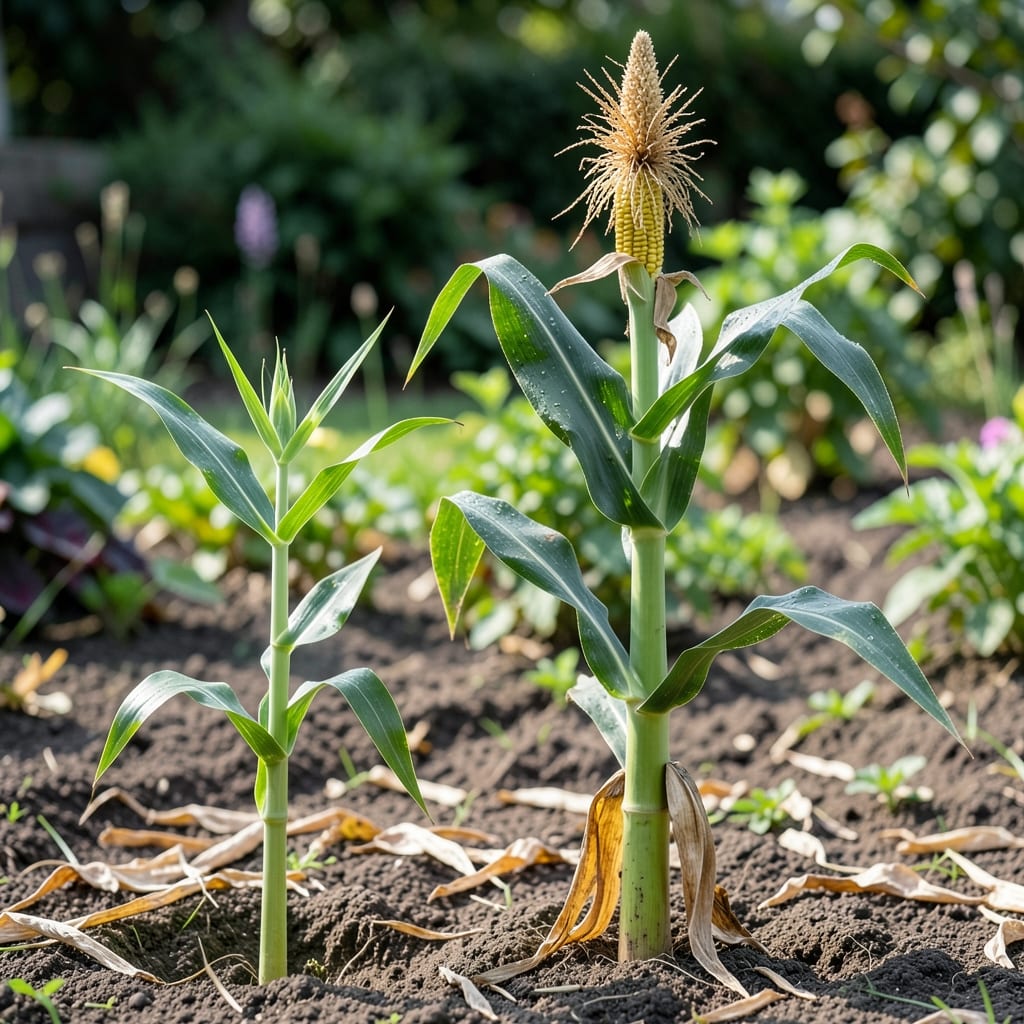
Ever stared at your corn seedlings and wondered, "How tall will my corn grow?" The answer isn't one-size-fits-all—some varieties stretch toward the sky like skyscrapers, while others stay cozy and compact. Whether you're planning a backyard garden or dreaming of a towering cornfield, knowing these differences is the key to success.
Corn height can vary wildly—from dwarf varieties barely reaching your waist to giant stalks that dwarf even the tallest gardeners. The variety you pick isn't just about aesthetics; it determines your harvest size, growing time, and even how much space you'll need. Let's break down the factors that influence corn height so you can choose the perfect plants for your garden.
Genetics play the biggest role, but climate, soil quality, and care practices can push those heights even higher—or hold them back. With the right conditions, even a 6-foot variety can surprise you with extra growth. I'll share the secrets to maximizing height without overcrowding, so your corn stands strong and proud from July through September.
Ready to turn your garden into a corn-filled wonderland? Let's dive into the world of corn varieties, growth tips, and the science behind those towering stalks. You'll learn how to pick the right plants, support them properly, and troubleshoot any issues before they start. Here's what you need to know to grow corn that reaches its full potential.


Corn variety heights: from dwarf to giant varieties explained
When planning your corn garden, the first question I always ask myself is, "What height will my corn reach?" The answer depends entirely on the variety you choose. Some corn plants stay short and manageable, while others grow tall enough to block sunlight from neighboring plants. Understanding these differences helps me design my garden layout and choose the right support structures.
Corn varieties fall into three main height categories: dwarf (3-5 ft), semi-dwarf (5-7 ft), and standard (8-12 ft). Each category has unique characteristics that affect not just height but also yield, growing time, and even flavor. Let's explore the most popular varieties and their typical mature heights so you can make an informed choice for your garden.
Dwarf varieties like 'Golden Bantam' are perfect for small gardens or containers, reaching only 5-6 feet at maturity. These compact plants are ideal for beginners or gardeners with limited space. Semi-dwarf varieties, such as 'Silver Queen', strike a balance with heights around 6-7 feet, making them versatile for most home gardens.
For those dreaming of towering cornfields, standard varieties like 'Country Gentleman' can reach an impressive 10-12 feet. These giants require more space and support but offer larger yields and dramatic visual appeal. Ornamental varieties, like 'Miracles', can also grow tall (8-10 ft) and add stunning color to your garden while still producing edible ears.
| Variety | Type | Mature Height | Days to Maturity | Best For |
|---|---|---|---|---|
| Golden Bantam | Dwarf Sweet | 5-6 ft | 60-70 | Small gardens, containers |
| Silver Queen | Semi-Dwarf Sweet | 6-7 ft | 70-80 | Home gardens, fresh eating |
| Country Gentleman | Standard Sweet | 10-12 ft | 90-100 | Large gardens, high yield |
| Miracles | Ornamental | 8-10 ft | 85-95 | Decorative, edible ears |
| Ambrosia | Field Corn | 8-10 ft | 100-120 | Animal feed, large-scale |
Field corn varieties, like 'Ambrosia', often grow taller than sweet corn (8-10 ft) and are primarily used for animal feed or industrial purposes. While they may not produce the sweetest ears, they're hardy and productive in large-scale planting. If you're growing corn for decorative purposes, varieties like 'Glass Gem' offer stunning colors and heights around 7-9 feet.
Choosing the right variety isn't just about height—it's also about your garden's space and your intended use. For example, dwarf varieties are perfect for urban gardens or small backyards, while tall varieties require more room and may need support to prevent lodging. I always recommend testing a few varieties in your first year to see which thrive best in your specific climate and soil conditions.
One common mistake I see is planting tall varieties too closely together, which leads to competition for sunlight and nutrients. Proper spacing is crucial for maximizing height and yield. For example, tall varieties like 'Country Gentleman' need at least 36 inches between rows and 12 inches between plants, while dwarf varieties can be planted more closely (12 inches apart). Always check the seed packet for specific spacing recommendations.
Another factor that influences height is the growing environment. Corn plants grown in full sun with rich, well-draining soil tend to reach their maximum potential height. In contrast, shade or poor soil can stunt growth significantly. I've found that adding a balanced fertilizer (like 10-10-10) at planting and again when plants are 6 inches tall gives my corn the boost it needs to grow tall and strong.
If you're growing corn for the first time, I recommend starting with a semi-dwarf variety like 'Silver Queen'. These plants are forgiving, productive, and strike the perfect balance between manageable height and high yield. Once
How corn height affects growing time and yield potential
Did you know that taller corn varieties often take longer to mature but can produce more ears per stalk? This relationship between height, days to harvest, and yield potential is crucial for planning your garden. For example, a 5-foot dwarf variety like 'Golden Bantam' might reach maturity in 70 days, while a 12-foot giant like 'Country Gentleman' could take 100 days or more.
The extra height in taller varieties isn't just for show—it often correlates with more leaf surface area for photosynthesis, which fuels larger ears. However, this comes with trade-offs: taller corn requires more nutrients, water, and space to support its structure. Understanding these connections helps you balance your garden's layout and harvest expectations.
Let's explore how spacing requirements change with height. Dwarf varieties can thrive in tight rows (24-30 inches apart), while standard and tall varieties need 36-48 inches between rows to prevent overcrowding. Proper spacing ensures each plant gets enough sunlight and air circulation, which directly impacts stalk strength and ear development.
| Variety Type | Height Range | Days to Maturity | Yield Potential | Spacing Needs |
|---|---|---|---|---|
| Dwarf (e.g., 'Golden Bantam') | 5-6 ft | 70-80 days | 1-2 ears per stalk | 24-30" rows |
| Semi-Dwarf (e.g., 'Silver Queen') | 6-8 ft | 80-90 days | 2-3 ears per stalk | 30-36" rows |
| Standard (e.g., 'Country Gentleman') | 10-12 ft | 90-100 days | 3-4 ears per stalk | 36-48" rows |
| Giant (e.g., 'Miracles') | 12-14 ft | 100-120 days | 4+ ears per stalk | 48" rows |
Sunlight needs also shift with height. While all corn varieties require 6-8 hours of full sun daily, taller varieties benefit from additional sunlight exposure to support their growth. If you're growing corn in partial shade, expect reduced height and yield. For optimal results, position your tallest varieties in the sunniest spots of your garden, where they can maximize their growth potential.
One surprising factor is how soil fertility impacts height. Taller varieties demand more nitrogen and phosphorus to develop strong stalks and abundant ears. A soil test before planting can reveal deficiencies that might stunt growth. For example, adding compost or a balanced fertilizer (like 10-10-10) at planting time can give taller varieties the boost they need to reach their full height.
Remember, the earliest varieties (like 'Early Sunglow') may sacrifice height for speed, while late-season giants prioritize size. Choose based on your growing season length and harvest goals. With the right variety and care, you can grow corn that's not just tall, but also productive and healthy.