
Size
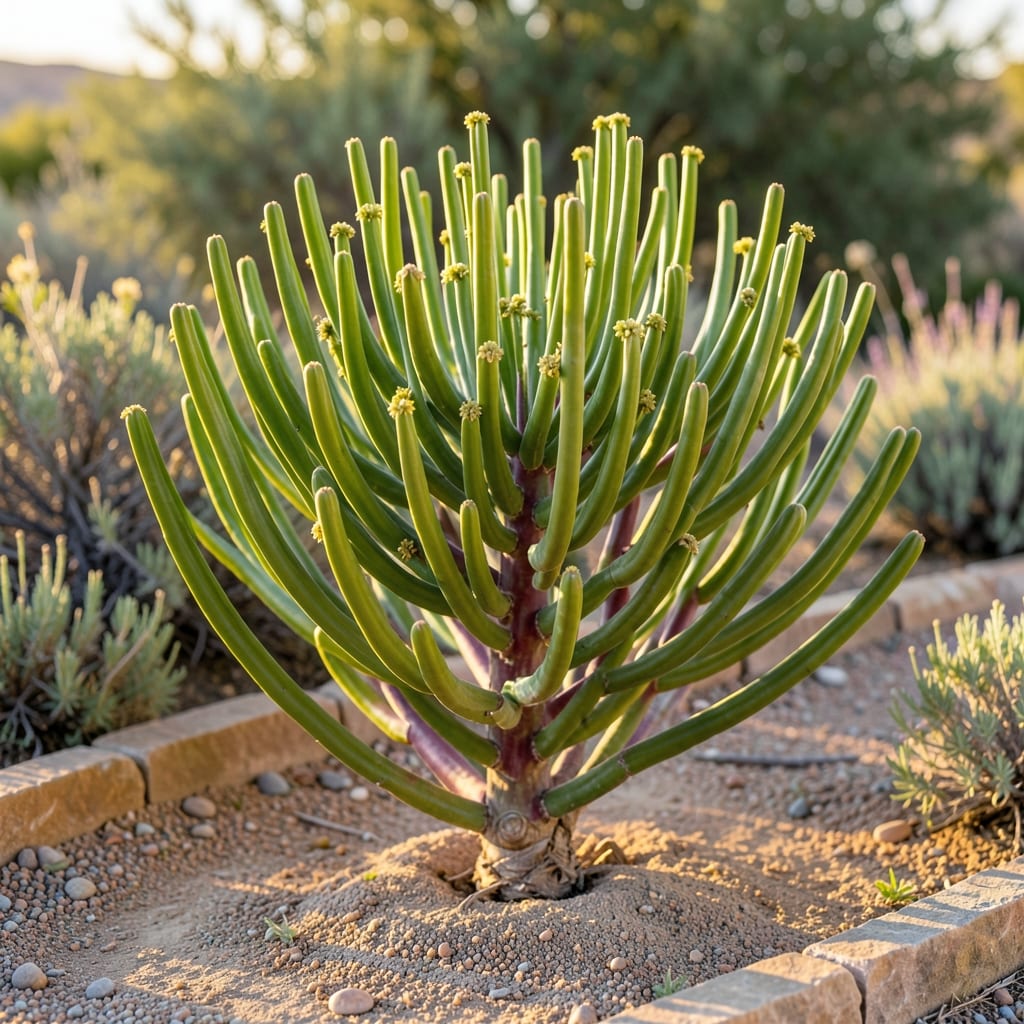
Wondering how tall your African Milk Tree 🌿 could grow if you don’t rein it in? These striking plants can reach 25 feet tall—taller than most two-story homes—if given free rein in the right conditions. That’s why understanding their growth habits is key before you bring one home.
The secret to controlling their height lies in sunlight, soil, and timing. With full sun exposure and well-draining soil, your African Milk Tree will thrive, but without proper pruning, it’ll shoot up faster than you’d expect. Even in USDA Zone 6a, where winters are cooler, these plants can still grow aggressively if you ignore maintenance.
Here’s the good news: pruning isn’t just about keeping them manageable—it’s about shaping them into a stunning focal point. Whether you want a 10-foot statement piece or a smaller, bushier look, the right techniques will give you control. Let’s break down exactly how to keep your African Milk Tree from becoming a backyard giant.
From growth rates to pruning tips, I’ll show you how to enjoy this architectural beauty without it taking over your space. Ready to learn the tricks?


African Milk Tree growth height: what to expect without pruning
Your African Milk Tree (Euphorbia trigona) is a powerhouse of growth, capable of reaching 15 to 25 feet tall in ideal conditions. Without pruning, it can even surpass 30 feet in tropical climates where it faces no growth restrictions. This rapid ascent happens in stages: expect 2–3 feet in the first year, 5–8 feet by year two, and dramatic jumps of 10+ feet annually thereafter.
The key to understanding its growth lies in its natural habitat. Native to Madagascar, this succulent thrives in full sun and well-draining soil, mimicking the arid conditions of its origins. In USDA Zone 6a, where winters dip below freezing, growth slows but doesn’t stop—it simply enters a dormant phase before resuming in spring.
Sunlight is the #1 factor influencing height. A spot with 6+ hours of direct sun daily will fuel rapid vertical growth, while partial shade can stunt it to 10–15 feet max. Even in containers, these trees can reach 10 feet if given enough space, though their spread (3–5 feet wide) is often underestimated.
Soil drainage plays a critical role too. Compacted or clay-heavy soil can stress the roots, leading to slower growth but also making the plant more prone to fungal diseases. Amend your soil with perlite or sand to mimic its native, gritty environment. Poor drainage isn’t just a growth inhibitor—it’s a recipe for root rot, which can kill your tree if ignored.
Climate matters just as much as sunlight. In humid regions, African Milk Trees grow faster but may develop pests like mealybugs without proper care. Conversely, in arid zones, they’ll grow more slowly but stay healthier with minimal intervention. Even indoors, near a south-facing window, you can expect 3–5 feet of growth per year if conditions are ideal.
Here’s a surprising fact: these trees grow faster in containers than in the ground because they focus energy on vertical growth rather than spreading roots. This makes container-grown African Milk Trees perfect for urban gardens where space is limited—but it also means you’ll need to prune more frequently to control their height.
African Milk Tree Growth Summary
| Growth Stage | Height Range | Annual Growth Rate | Key Influencer |
|---|---|---|---|
| Year 1 | 2–3 ft | 2–3 ft | Sunlight exposure |
| Year 2 | 5–8 ft | 3–5 ft | Soil drainage |
| Year 3+ | 10–25 ft | 5–10+ ft | Climate/pruning |
| Mature (Unpruned) | 15–30 ft | Varies | Location (indoor/outdoor) |
Note: Growth rates double in tropical climates with ideal conditions.
If you’re growing your African Milk Tree in a container, its height will still climb—just more slowly than in the ground. The trade-off? You gain portability and easier pruning access. For outdoor planting, give it 10+ feet of vertical clearance if you skip pruning, or prepare for regular maintenance to keep it under control.
One common misconception is that these trees grow slowly like other succulents. In reality, they’re aggressive growers when happy. The secret to managing their size isn’t just pruning—it’s proactive care. Start with the right light and soil, and you’ll set the stage for either a towering centerpiece or a compact, bushy specimen.
For gardeners in cooler climates, winter dormancy can slow growth, but don’t expect it to stop entirely. Even in Zone 6a, your African Milk Tree will push new growth in spring if given enough warmth. The key is to protect it from frost while still providing bright light to sustain its energy.
Now that you know what to expect, the next step is learning how to shape and control this growth—whether you want a 6-foot tabletop tree or a 20-foot backyard giant. The choice is yours, but the pruning secrets come next! 🌱
Pruning secrets to control African Milk Tree height and shape
Pruning isn’t just about keeping your African Milk Tree 🌿 from becoming a backyard skyscraper—it’s about shaping its dramatic architecture to fit your space. The best time to prune is early spring, just as new growth begins, or late summer after the heatwave subsides. This timing ensures you’re not cutting back fresh, tender shoots that could struggle to recover.
Start with sterilized pruning shears or a sharp knife to make clean cuts just above a leaf node. Avoid tearing the bark, as this invites infections and pests. For a bushier look, trim the top growth to encourage lateral branches. To keep it taller and slender, focus on pruning lower branches while leaving the upper stems intact.
Here’s a pro tip: Never prune more than 1/3 of the plant in a single session. African Milk Trees are resilient, but aggressive pruning can shock them, leading to stunted growth or even death. If you’re aiming for a 6–10 foot tree, prune annually to maintain that height. For a compact tabletop specimen, prune more frequently—every 3–4 months—to keep it under control.
What about those pruned cuttings? Don’t toss them! African Milk Trees root easily from stem cuttings. Simply let the cut end callous over for a day or two, then place it in well-draining cactus mix. Keep it in bright, indirect light and mist occasionally until roots form (usually in 2–4 weeks). This is a great way to propagate new plants or share with fellow gardeners!
Step-by-Step Pruning Guide
- Step 1: Choose early spring or late summer for pruning.
- Step 2: Use sterilized tools to avoid disease spread.
- Step 3: Cut just above a leaf node at a 45° angle.
- Step 4: Prune no more than 1/3 of the plant at once.
- Step 5: Propagate cuttings in cactus mix for new plants.
- Step 6: Water lightly after pruning to reduce stress.
💡 Pro Tip: Prune on a dry, sunny day to speed up healing.
If you’re growing your African Milk Tree in a container, pruning becomes even more critical. Without regular maintenance, container-grown trees can become top-heavy and unstable, especially as they reach 10+ feet tall. To prevent this, prune lower branches first to encourage a stronger base and reduce the risk of tipping over.
For outdoor plants, focus on structural pruning to maintain an open, airy shape. Remove crossing or weak branches to improve airflow and reduce pest risks. If your tree starts leaning, prune the longer side to encourage upright growth. With consistent pruning, you can keep your African Milk Tree at any height—whether you want a 6-foot indoor statement piece or a 15-foot outdoor focal point.
Remember, pruning isn’t just about size—it’s about health and longevity. A well-pruned African Milk Tree will thrive for decades, rewarding you with its striking, geometric beauty year after year. Now that you’ve got the secrets, grab those shears and start shaping your dream tree! ✂️