
Vegetables
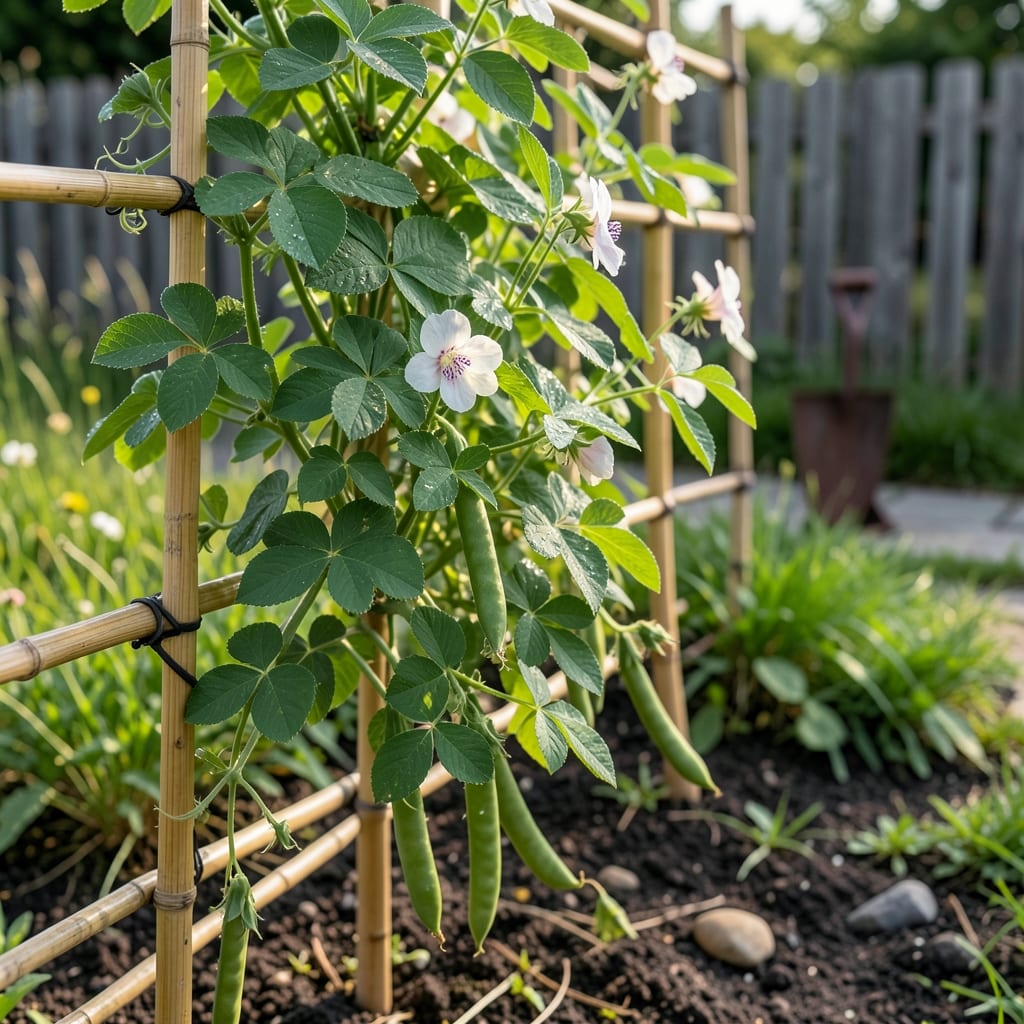
Wondering how tall do Alaska peas grow and whether they’ll fit in your small garden? These cold-hardy climbers typically reach 2 to 3 feet when given proper support, making them perfect for vertical gardening—even in tight spaces. Unlike sprawling vines, Alaska peas are bushy yet adaptable, so they thrive on trellises or cages without taking over your yard.
If you’re working with limited square footage, you’ll love how these peas transform vertical space into a productive harvest. With the right setup, you can train them to grow up to 6 feet in ideal conditions, but their natural height keeps them manageable for containers or small plots. The key? Early support and proper spacing to encourage strong, upward growth.
Whether you’re a first-time gardener or a seasoned green thumb, Alaska peas offer a low-maintenance way to boost your yield without sacrificing space. I’ll show you how to maximize their height naturally—plus the best trellis tricks to keep them growing tall and productive all season.
Ready to turn your garden into a lush, space-saving pea paradise? Let’s dive into the secrets of growing Alaska peas to their fullest potential—without the guesswork.

Alaska pea plant height: growth stages and space requirements
Alaska peas are a compact yet vigorous variety that typically reaches 2 to 3 feet when grown with proper support. Unlike sprawling vines, these peas grow in a bushy, upright habit, making them ideal for small gardens or containers. Without trellises, they’ll stay shorter—around 1 to 2 feet—but with the right structure, they can climb up to 6 feet in ideal conditions.
Understanding their growth stages helps you plan spacing and support. In their first 4 to 6 weeks, Alaska peas focus on root and leaf development, staying close to the ground. By week 8, they’ll start climbing if given a trellis, and by harvest time (60 days), they’ll reach their full height. This predictable growth makes them perfect for vertical gardening in tight spaces.
For optimal yield, space Alaska peas 4 to 6 inches apart in rows that are 18 to 24 inches apart. If using a trellis, you can double or triple your planting density since vines grow upward. This saves space while maximizing productivity—ideal for urban gardens or balconies where every inch counts.
The key to encouraging tall growth lies in early support. Install trellises or cages as soon as seedlings are 4 to 6 inches tall. Without support, vines may sprawl, leading to tangled growth and reduced airflow, which can invite pests and diseases. Proper spacing also ensures each plant gets enough sunlight and nutrients to grow vertically.
| Growth Stage | Height Range | Spacing Needs | Support Required |
|---|---|---|---|
| Seedling (0-4 weeks) | 3-6 inches | 2-3 inches apart | None |
| Vegetative (4-8 weeks) | 1-2 feet | 4-6 inches apart | Trellis/cage (optional) |
| Flowering (8-12 weeks) | 2-3 feet | 18-24 inches between rows | Essential for climbing |
| Mature (12+ weeks) | 3-6 feet (with support) | Trellis spacing: 6-12 inches apart | Strong trellis required |
Root depth plays a crucial role in how tall Alaska peas grow. Their roots typically extend 12 to 18 inches deep, so well-draining soil is essential. Compacted or rocky soil can stunt growth, while loose, nutrient-rich soil encourages strong root development and taller vines. If you’re growing in containers, ensure pots are at least 12 inches deep to accommodate their root systems.
Another factor affecting height is companion planting. Pairing Alaska peas with corn or sunflowers provides natural trellis support, while radishes or lettuce can grow beneath them, maximizing space efficiency. Avoid planting near onions or garlic, as their strong aromas can inhibit pea growth. Strategic companionship not only saves space but also boosts overall garden productivity.
In USDA Zones 3-6, Alaska peas thrive in cool climates, making them ideal for early spring or late summer plantings. If you’re in a warmer zone, opt for shade cloth during peak afternoon sun to prevent wilting. Their cold hardiness means they can tolerate light frosts, but avoid planting too early in soggy soil, which can rot delicate roots and stunt growth.
To maximize height and yield, I recommend pruning side shoots regularly to encourage upward growth. Pinch off any vines that grow horizontally to redirect energy to the main stems. This technique, combined with consistent morning watering and a balanced fertilizer, will help your Alaska peas reach their full potential—even in the smallest of gardens.
Remember, the goal isn’t just height but healthy, productive vines. With the right care, your Alaska peas will climb tall, yield sweet pods, and prove that even the most compact gardens can deliver big rewards.
Best trellis systems for Alaska peas: maximizing vertical space
Choosing the right trellis system can transform your Alaska peas from sprawling vines into a space-saving powerhouse. Since these peas naturally grow 2 to 6 feet tall with support, the right structure ensures they climb efficiently while maximizing your garden’s vertical potential. For small spaces, I recommend A-frame trellises or spiral cages, which are sturdy yet compact—perfect for balconies or patios.
The key to success lies in early installation. Set up your trellis as soon as seedlings reach 4 to 6 inches tall. Without support, vines may sprawl, wasting space and reducing airflow. A well-placed trellis not only encourages upward growth but also makes harvesting easier by keeping pods off the ground and away from pests like slugs.
For urban gardeners or those with limited space, DIY trellis hacks can save money while delivering great results. Use bamboo stakes or poultry wire bent into a teepee shape—this creates a natural climbing frame that’s both affordable and effective. If you’re growing in containers, a small cage or obelisk works wonders, allowing peas to climb without taking up extra floor space.
| Trellis Type | Best For | Pros | Cons | Height Range |
|---|---|---|---|---|
| A-Frame Trellis | Small gardens, containers | Compact, sturdy, easy to install | Limited width for multiple plants | 3-5 feet |
| Spiral Cage | Balconies, vertical gardens | Encourages upward growth, space-efficient | Can get tangled if overcrowded | 4-6 feet |
| Poultry Wire Teepee | DIY budgets, large plots | Cheap, reusable, natural look | Requires bending wire | 5-7 feet |
| Netting Trellis | Urban gardens, small spaces | Lightweight, easy to store | Less sturdy for heavy vines | 3-4 feet |
Training vines to climb efficiently starts with gentle guidance. As your Alaska peas begin to twine, weave the main stems through the trellis structure. Avoid tying vines too tightly—this can damage delicate stems. Instead, use soft twine or fabric strips to loosely secure them every 6 to 8 inches as they grow. This method encourages natural climbing while preventing breakage.
One of my favorite cost-saving hacks for urban growers is repurposing old materials. For example, plastic milk jugs cut in half and stacked can create a sturdy, low-cost trellis. Or, use bamboo stakes tied together with twine to form a teepee. These DIY options not only save money but also reduce waste—perfect for eco-conscious gardeners.
Remember, the goal is to create a supportive environment that encourages upward growth without restricting airflow. With the right trellis, your Alaska peas will reach their full height potential—up to 6 feet—while keeping your garden tidy and productive. Whether you choose a store-bought trellis or a DIY creation, the key is to act early and provide consistent support.