
How To
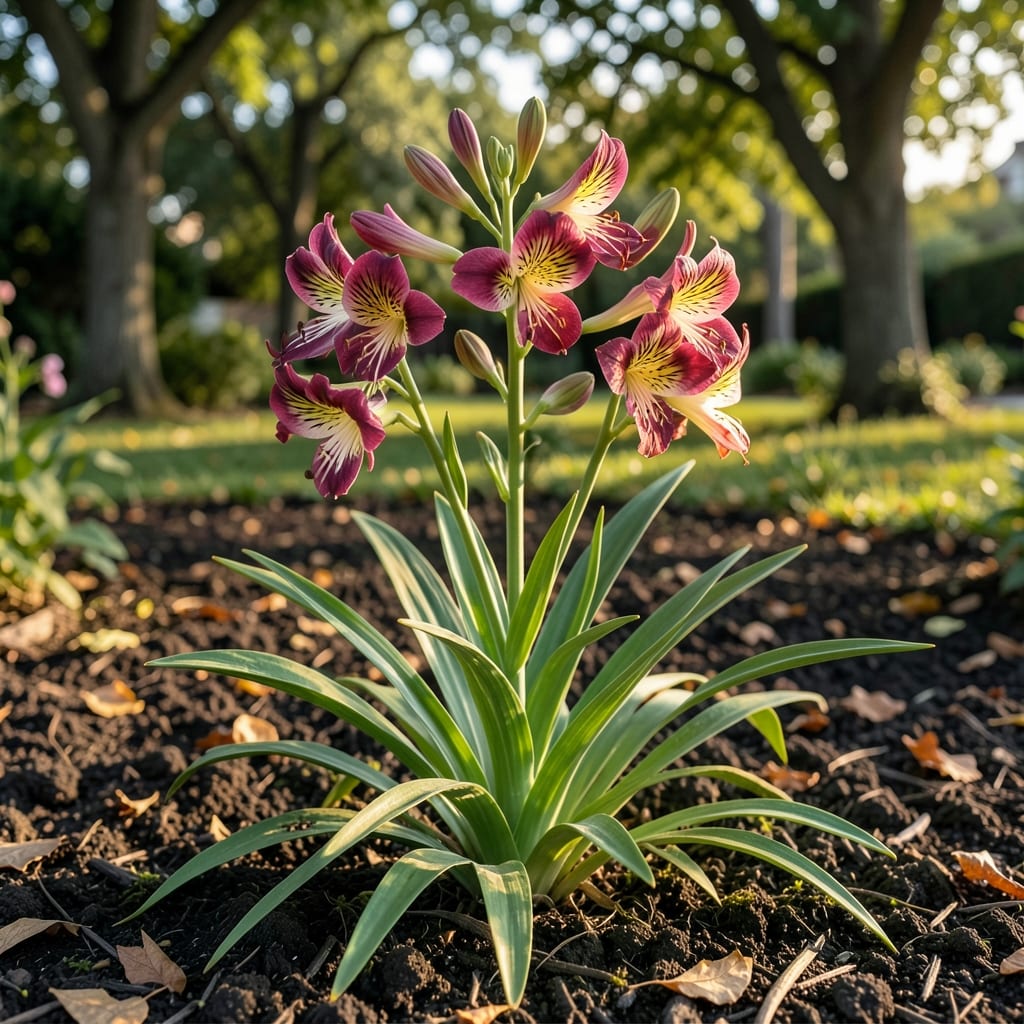
If you're planning your garden layout and wondering "how tall do alstroemeria grow", you're in for a pleasant surprise—these cheerful blooms offer more variety than you might expect.
The 🌸 alstroemeria you plant could stay as short as 1 foot or stretch toward 3 feet, depending on the variety and growing conditions. Some compact types fit perfectly in window boxes, while taller varieties make stunning border plants or cut flowers. Knowing these differences helps you choose the perfect fit for your space.
What determines whether your alstroemeria will be a petite accent or a towering star? Sunlight exposure, soil quality, and even the specific cultivar play key roles. The right care can encourage full growth or keep them neatly contained—either way, you’ll get those signature vibrant blooms you love.
Whether you're working with a small urban garden or a sprawling landscape, I’ll show you how to select the right alstroemeria for your vision—and how to maintain their height exactly as you want. Let’s get growing!


Alstroemeria height by variety: compact vs towering options explained
Alstroemeria plants offer a stunning range of heights, making them versatile for almost any garden space. From dwarf varieties perfect for window boxes to tall cultivars that make bold statements in borders, understanding these differences helps you choose the right fit. Most alstroemeria reach 12 to 36 inches at maturity, but some can stretch up to 4 feet under ideal conditions.
The height of your alstroemeria depends on three key factors: the specific cultivar, your growing conditions, and your care practices. For example, 'Dwarf Pink' stays under 12 inches, while 'Regina' can tower over 3 feet. Even within the same variety, sunlight exposure and soil quality can influence how tall your plants grow.
If you're planning a small garden or container planting, compact varieties are ideal. They thrive in tight spaces without overwhelming other plants. For larger landscapes or cut flower arrangements, taller varieties provide dramatic impact and extended bloom times. Let’s explore the most popular height categories and their best uses.
| Variety | Height Range | Best For | Bloom Color |
|---|---|---|---|
| 'Dwarf Pink' | 8–12 inches | Window boxes, borders, containers | Pink |
| 'Mini Series' | 12–18 inches | Front of beds, hanging baskets | Multi-color |
| 'Regina' | 24–36 inches | Cut flowers, back of borders | Orange |
| 'Purple Tower' | 30–48 inches | Tall borders, cut arrangements | Purple |
| 'Snowdrift' | 18–24 inches | Mixed borders, containers | White |
Dwarf varieties like 'Dwarf Pink' are perfect for gardeners with limited space. They stay under 12 inches and produce continuous blooms from early summer to frost. Their compact size makes them ideal for window boxes, hanging baskets, or the front of flowerbeds where height isn't a concern.
For those with more space, taller varieties like 'Regina' and 'Purple Tower' reach 3 to 4 feet and create dramatic vertical interest. These are excellent choices for cut flower arrangements, as their long stems hold up well in vases. If you're growing alstroemeria for bouquets, these taller types will give you longer-lasting blooms with minimal effort.
Even within the same variety, you can influence height through pruning techniques and soil nutrients. For example, pinching back the tips of young plants encourages bushier growth, while providing rich, well-draining soil supports taller stems. Understanding these nuances helps you tailor your alstroemeria to your garden's needs.
If you're unsure which variety to choose, consider your garden's sun exposure and available space. Most alstroemeria thrive in full sun (6+ hours daily), but taller varieties may need extra support like stakes or trellises to prevent flopping. For containers, dwarf or semi-dwarf types work best to avoid overcrowding.
Pro tip: Mix heights in your garden for a layered look. Place dwarf varieties in front and taller ones in back to create depth and visual interest. This technique works beautifully in cottage gardens, perennial borders, and even urban planters.
Remember, alstroemeria are perennial in many climates, meaning they'll return year after year. Choosing the right height now will save you from replanting or transplanting later. Whether you're aiming for a neat, contained look or a wild, abundant display, there's an alstroemeria variety that fits your vision.
Next, we'll explore how to control alstroemeria height through simple pruning and growing tips—so you can achieve your perfect garden height, no matter which variety you choose. 🌸
How to control alstroemeria height: pruning and growing tips for desired size
Once you’ve chosen your alstroemeria variety, you might want to fine-tune its height to fit your garden vision. The good news? With simple pruning techniques and growing adjustments, you can encourage shorter, bushier plants or promote taller stems for dramatic effect. Whether you’re working with 'Dwarf Pink' or 'Purple Tower', these methods help you achieve your ideal height without sacrificing blooms.
For shorter, bushier growth, focus on pinching back young stems when they reach about 6 inches tall. This encourages the plant to branch out, creating a fuller, more compact form. It’s especially useful for dwarf varieties in containers or small gardens. Just snip the top set of leaves with clean, sharp pruning shears—no need for fancy tools!
To promote taller stems, provide your alstroemeria with rich, well-draining soil and consistent moisture. Avoid over-fertilizing with nitrogen, as this can lead to leafy growth at the expense of height. Instead, use a balanced fertilizer (10-10-10) every 4-6 weeks during the growing season to support strong stems and vibrant blooms.
- 🌱 Pinch back young stems at 6 inches to encourage bushier growth.
- ✂️ Deadhead spent blooms regularly to redirect energy to new growth.
- 🪴 Stake taller varieties (like 'Purple Tower') to prevent flopping in wind or rain.
- 💧 Water deeply in the morning to support strong stem development.
- 🌡️ Avoid overcrowding—space plants 12-18 inches apart for optimal airflow.
Deadheading—removing faded blooms—is another key technique to control height. By cutting back spent flowers, you prevent the plant from wasting energy on seed production, which can stunt new growth. For taller varieties, this also keeps stems upright and encourages longer-lasting blooms. Use clean shears and cut just above a set of leaves to promote new shoots.
If your alstroemeria starts to flop or sprawl, especially in taller varieties, don’t hesitate to use stakes or trellises. These provide support without harming the plant, allowing stems to grow vertically. For a natural look, try soft ties or bamboo stakes tucked discreetly into the foliage. This is particularly useful in windy gardens or areas with heavy rainfall.
Soil quality plays a surprising role in height control. Alstroemeria thrive in well-draining, slightly acidic soil (pH 6.0-7.0). Amending your soil with compost or organic matter ensures nutrients are available for strong root and stem development. If your soil is heavy or clay-like, consider planting in raised beds or containers to improve drainage and encourage taller growth.
Finally, remember that seasonal care impacts height. In spring and summer, focus on regular watering and light fertilization. As fall approaches, reduce watering and stop fertilizing to prepare the plant for dormancy. This seasonal adjustment helps maintain a healthy growth cycle year after year.
With these techniques, you’ll have full control over your alstroemeria’s height—whether you’re aiming for a neat, contained look or a towering garden statement. Experiment with different methods to see what works best for your climate and variety. Happy pruning! ✂️